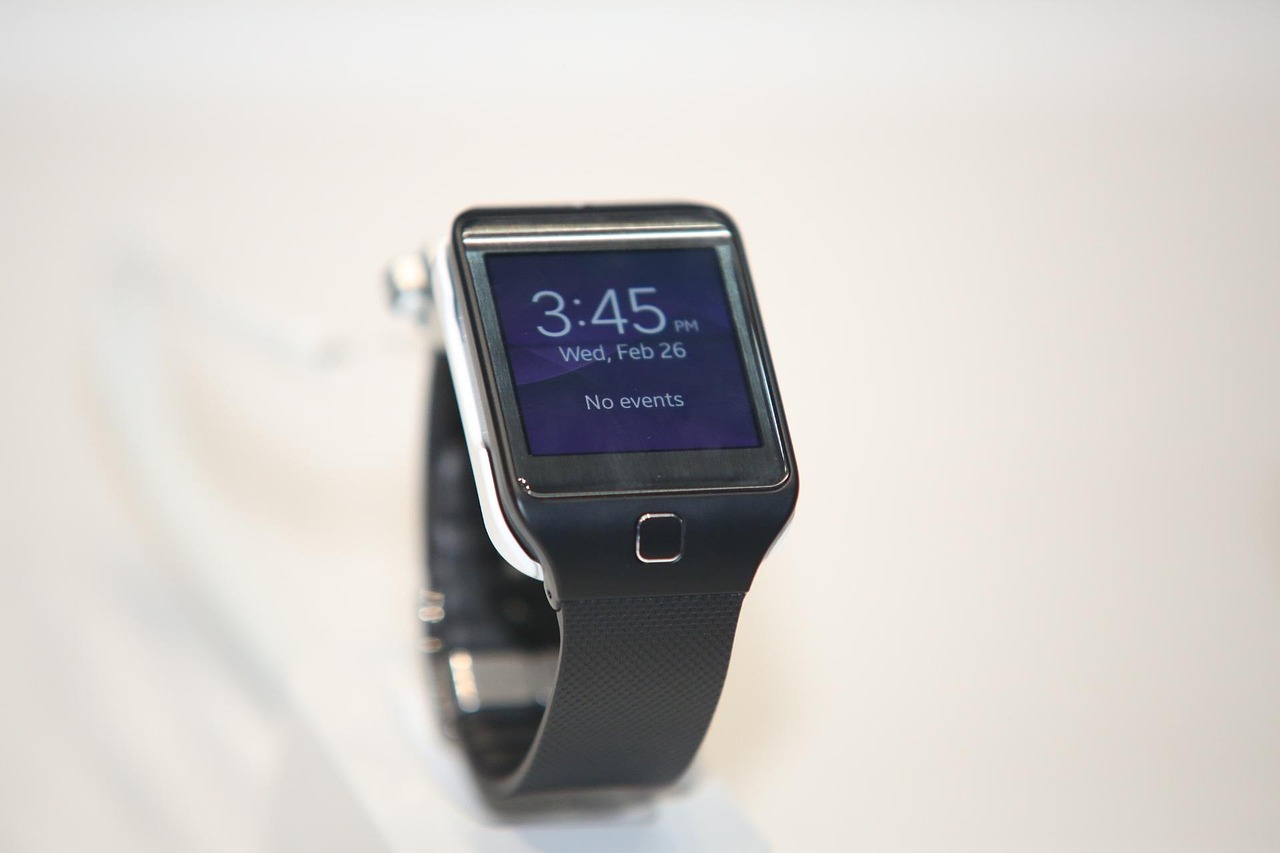

Advances in Wearable Technology for Movement Analysis
Wearable technology has fundamentally transformed biomechanics and human movement analysis, enhancing data collection and improving performance. These advancements offer researchers and practitioners innovative tools for monitoring movement characteristics, ensuring athletes and individuals achieve peak performance while minimizing injury risk. Motion capture systems, once confined to laboratories, are now portable and user-friendly. Today’s devices include sensor-based wearable systems that collect extensive biomechanical data in real-time. These wearables provide insights into crucial movement variables, such as joint angles, velocities, and accelerations, which can inform tailored training programs. The integration of machine learning algorithms with wearable data enhances the analysis of movement patterns, promoting individualized feedback. This convergence of technology fosters a better understanding of human biomechanics, ultimately optimizing athletic performance and rehabilitation processes. Furthermore, wearable devices have made great strides in their capacity to collect and interpret physiological data alongside biomechanical information. This holistic approach can provide valuable insights into the interactions between physical exertion and motion dynamics during athletic competitions or rehabilitation scenarios. By leveraging these advancements, researchers and trainers pave the way for the future of sports science and health monitoring.
The Role of Sensors in Wearables
Modern wearable technology integrates numerous advanced sensors that measure various physical phenomena related to human movement. These sensors include accelerometers, gyroscopes, and electromyography (EMG) systems, each serving a unique purpose in accurately capturing different aspects of biomechanics. Accelerometers, for instance, assess changes in velocity and direction during dynamic movements, enabling comprehensive gait analysis. Gyroscopes provide precise angular velocity measurements, facilitating postural control assessments essential in various athletic and therapeutic contexts. EMG sensors monitor muscle activation patterns, helping to identify imbalances and inform targeted training strategies. The data generated by these sensors is vital in characterizing movement patterns, detecting deviations from normative ranges, and evaluating performance improvements over time. Moreover, the ability to collect data during real-world activities significantly enhances the reliability of movement analysis. Wearable sensors can be integrated into clothing or accessories, making them more acceptable and less intrusive for users. This ease of use promotes adherence among athletes, encouraging consistent monitoring and training adjustments based on empirical evidence. By employing these diverse sensors, practitioners gain a robust understanding of the biomechanics involved in human movement and the potential to improve athletic performance.
Incorporating artificial intelligence (AI) into wearable technology is a groundbreaking approach that enhances movement analysis capabilities. AI algorithms can analyze vast datasets collected by wearables, identifying trends and patterns that may be imperceptible to human observers. Machine learning models are capable of predictively analyzing movement data to forecast potential injuries before they occur, allowing for preventive measures. This capability is particularly beneficial in sports, where the physical demands on athletes are immense, and the risk of injury associated with fatigue or improper technique are prevalent. Additionally, AI can help personalize training regimens by adjusting exercise intensity based on real-time feedback from wearables. With accurate motion analysis, trainers can craft more effective, individualized programs tailored to an athlete’s specific strengths and weaknesses. Furthermore, the combination of wearable technology and AI holds immense potential for rehabilitation. By accurately tracking recovery progress and predicting outcomes, practitioners can provide tailored interventions that facilitate optimal recovery pathways. The seamless integration of AI into wearable devices significantly enhances the decision-making process for trainers and practitioners, improving overall athletic performance and health outcomes.
Privacy and Ethical Considerations
As wearable technology continues to advance, it is essential to address privacy and ethical considerations surrounding data collection and usage. Wearable devices gather sensitive information related to individuals’ health and performance, raising concerns about the potential misuse of this data. Stakeholders must ensure stringent privacy protocols and robust security measures to protect users’ personal information from unauthorized access. Furthermore, it is crucial to establish transparent data usage policies that inform users about how their data will be collected, stored, and shared. Informed consent is a critical component of ethical data practices, allowing individuals to understand the implications of using wearable devices. Organizations and researchers must commit to ethical standards that prioritize user autonomy and respect individuals’ rights concerning their data. Additionally, discussions around equity in access to wearable technology are important. Ensuring that these advances benefit a diverse population and do not exacerbate existing disparities is vital for the future of biomechanics and movement analysis. By addressing these ethical concerns, the growing influence of wearable technology can be harnessed to benefit everyone and contribute positively to health and wellness.
Another significant aspect of wearable technology in movement analysis involves real-time feedback and performance monitoring. Instant feedback allows athletes to make immediate adjustments to their technique, fostering improved performance during training sessions. This functionality encourages self-reflection among users, as they can continuously assess their movements and identify potential areas for enhancement. For example, runners using wearable devices can receive notifications on their pace and running form, allowing them to alter their stride and optimize efficiency. In competitive settings, this capability can provide a distinct advantage, as athletes are empowered to adapt their strategies based on live data. Furthermore, wearable technology’s connectivity features enable integration with applications and platforms that facilitate data sharing and social interactions among athletes. Many wearables are compatible with smartphones, providing seamless access to performance analytics and community engagement through social platforms. This interconnectedness enhances motivation and fosters a supportive environment as athletes can share their achievements and receive encouragement from peers. By using real-time data insights effectively, individuals can train smarter and potentially reach their performance goals faster, enhancing the overall efficacy of movement analysis.
The Future of Wearables in Biomechanics
The future of wearable technology in biomechanics and human movement analysis is promising, with ongoing innovation and advancements on the horizon. As technology progresses, wearables are expected to become even more compact, sophisticated, and accurate in data collection. Emerging technologies, including flexible electronics and bio-integrated sensors, will enhance the functionality of wearables, allowing for more comprehensive monitoring of human movement. Such advancements can facilitate the capture of a wider range of biomechanical parameters, including joint kinetics and complex movement strategies. The enhancement of battery life and energy efficiency will also play a crucial role in broader adoption and everyday use of wearable devices. Furthermore, as artificial intelligence continues to shape various industries, its role in analyzing data generated by wearables will become increasingly significant. Future wearables may feature predictive analytics capabilities, providing users with insights on injury prevention and optimal performance training based on historical data trends. The integration of augmented reality (AR) might further augment the effectiveness of wearables by providing immersive training experiences. As the biomechanical landscape continues to evolve, the potential utility of wearables in human movement analysis and rehabilitation will only grow, enhancing athletic performance and health outcomes.
In conclusion, the integration of wearable technology within biomechanics signals a revolutionary shift in how we analyze human movement. The advancements in sensor technology, data processing, and analytics have made it possible to collect multidimensional data that offers profound insights. Furthermore, with the incorporation of AI capabilities, movement analysis will become increasingly data-driven, allowing for predictive modeling and personalized training protocols. Additionally, addressing privacy and ethical considerations will ensure that these innovations align with users’ rights and welfare. By utilizing real-time feedback and engaging in community interactions through wearables, athletes can enhance their training experiences significantly. The future of wearable technology holds great potential as researchers, practitioners, and athletes continue to explore new avenues for improving performance and rehabilitation. As technology continues to advance, the physical and health-related benefits associated with wearable devices will enhance our understanding of biomechanics and foster healthier communities. Ultimately, the synergy between technology and human movement opens up unprecedented possibilities that will shape the future of sports science and overall well-being.
In the ever-evolving landscape of biomechanics, the role of wearable technology has become increasingly significant, impacting various aspects of human movement analysis. With the rise of remote health monitoring and telemedicine, wearables are not only pivotal in athletic performance but also in the general health sectors. Through continuous monitoring of biometric and biomechanical data, these devices empower users to take charge of their health in a proactive manner. Moreover, such technology provides researchers with invaluable real-world data that enhances the understanding of how environmental factors influence human movement. As the global focus shifts towards more personalized health solutions, wearables can bridge the gap between data collection and actionable insights. This creates opportunities for individuals to engage in tailored fitness regimens based on their specific physiological responses, maximizing their progress. Most notably, advancements in data analytics are driving the development of clearer, more comprehensible interfaces for users, making it easier to interpret complex movement data. The ultimate goal remains clear: to harness wearable technology’s capabilities to bolster both athletic performance and overall health.