
Balancing Between Regular and Switch Stance
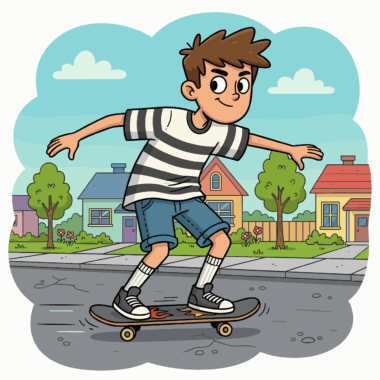
Skateboarding is an incredible sport that combines creativity, balance, and skill. One essential aspect of skateboarding is mastering different stances. Two primary stances are regular and switch. Regular stance refers to riding with the left foot in front, while switch is when the right foot becomes the lead. Learning to balance effectively in both positions can significantly improve your skateboarding experience. Strength and agility are key components to mastering these stances. Start by practicing standing still to get a feel for the balance each stance offers. Stand on a flat surface and shift your weight from the front to the back foot in both stances. Keep your knees slightly bent for better control. Transitioning between stances while rolling can be challenging yet rewarding. It enhances your overall balance and control. When practicing switch stance, take small steps to avoid feeling overwhelmed. Start with rolling on flat ground before attempting tricks in switch. This foundational practice helps develop muscle memory, enhancing your confidence on a skateboard. With consistent practice, switching stances will feel natural, allowing for more creativity in trick selection and execution.
To further improve your balance on a skateboard, consider incorporating exercises off the board. Activities that enhance core strength play a crucial role in overall performance. Practices like yoga and pilates can especially target the balance needed for skateboarding. Yoga helps develop flexibility, which is essential for adapting to your skateboard. Moreover, strength training focusing on your legs and core will significantly improve your ability to maintain control in both stances. You can also practice movements such as squats and lunges to build strength in those target areas. Stability balls or balance boards can effectively mimic skateboard movements, keeping your body engaged. These exercises train your balance muscles and contribute to better performance on the skateboard. Regular practice in non-skateboarding contexts transfers to improved skills when you hit the streets or the park. When practicing turns and tricks, ensure your legs stay flexible and not stiff. A common mistake skaters make is tightening up their muscles, leading to poor balance and execution. Focus on smooth, fluid movements to enhance your overall flow throughout your sessions. Building this foundation will elevate your skateboarding skills tremendously.
Understanding Stance Dynamics
Understanding the dynamics between regular and switch stances is crucial for skillful skateboarding. Each stance has its unique feel and requires different body adjustments for optimal performance. When in regular stance, your front foot shoulders the majority of the weight, providing stability during tricks. Conversely, in switch stance, your body must rely on balance and control when you switch. Practice shifting your weight forward and backward while rolling to gain comfort in each position. You can also try simple tricks like ollies and kickflips in both stances to familiarize yourself with how your body adjusts. Once confident in executing tricks, integrate them into your routine. Remember, it’s not just about technical expertise; it’s about finding your unique style. Daily practice solidifies these techniques and leads to steady improvement. Also, observe other skaters to gather ideas and inspiration. Watching videos can help visualize how expert skateboarders switch stances effortlessly. With time and patience, you can master this skill. Challenge yourself with more complex tricks as your comfort level increases while switching back and forth consistently.
In enhancing your skateboarding technique, feedback plays a significant role in your progression. Recording your skating sessions can provide insights into your form and balance. By reviewing your videos, you’ll notice patterns that need adjustment, especially when transitioning between stances. Keeping a journal can help remind you of goals, areas that need improvement, and personal achievements. Sharing your progress with fellow skaters can also yield constructive feedback. Be open to advice and suggestions from more experienced skaters. Joining a local skateboarding community can offer support and resources, helping you to grow faster. Seek opportunities to practice in diverse environments, such as skate parks, ramps, or even urban settings. Each location presents unique challenges and helps in developing your creative flow. Trying different terrains will also improve adaptability, contributing to your overall mastery. Lastly, remember consistency is key; gradual progression leads to significant improvement over time. Approach skateboarding as a journey rather than a destination, and your passion for the sport will continue to grow. Celebrate small victories to keep motivation high. Patience and perseverance yield rewarding results.
Tips for Transitioning Smoothly
Transitioning smoothly between regular and switch is essential for enhancing skateboarding skills. One effective tip is to blend your movements for fluidity. Focus on the natural momentum created by your body’s shifts, which allows you to maintain balance and control. Start by practicing rolling in a straight line, gradually deriving speed while switching stances. Emphasize the importance of a proper foot placement to enhance board control. Your knees should be bent, aiding in shock absorption. This positioning helps maintain stability throughout the transition phases. Incorporate visual cues in your practice routine. Keeping your eyes focused ahead, rather than down at your feet, aids in balance. This will also help enhance peripheral awareness which many skaters overlook. Additionally, practice makes perfect; try varying the speed at which you transition between stances. Challenge yourself by increasing the speed gradually, ensuring you feel secure in your balance adjustment. Finding your rhythm will inevitably lead to a better overall performance with familiar maneuvers, ensuring creativity thrives within your skateboarding practice.
Visualization techniques can be remarkably useful when balancing between stances. Before heading out, picture yourself executing the moves flawlessly. This method helps prepare your mind for the physical actions. Don’t exclude mental rehearsal as a critical aspect of practicing. Furthermore, setting specific goals for each session can maintain your focus on transitioning between stances and incorporating new tricks. Breaking down your learning into manageable chunks creates an organized approach that’s less overwhelming. Taking a break to clear your mind can often lead to improvements in your skills. Stepping away allows subconscious processing of the input you’ve acquired, making return sessions more productive. Consider approaching the transition practice with a mix of focus and spontaneity. Allow yourself the freedom to explore creativity while still emphasizing form and technique. Keeping the experience enjoyable helps alleviate any pressure that could hinder progress. Always remember to celebrate your achievements, whether they are small or grand. Building confidence will positively impact your ability to transition smoothly. Enjoy the exhilarating moments on your skateboard, as that enthusiasm will fuel your desire for mastery.
Mastering the balance between regular and switch stances can transform your skateboarding experience into a dynamic and rewarding activity. As you practice, you’ll find that each stance presents valuable lessons about control and stability. Embrace both the challenges and successes that come along the way. Listening to your body is essential; understanding when to push yourself and when to rest will significantly affect your development. Make it a point to skate regularly to maintain momentum in your learning. Accountability, such as involving friends in your sessions, can enhance your commitment to improving your skills. Engaging with fellow skaters offers opportunities for collaboration and shared experiences, which can also be beneficial for learning new techniques and tricks. Ultimately, the balance between regular and switch stances not only impacts your ability to perform but also influences the joy and satisfaction derived from skateboarding. By continually striving for improvement and maintaining an open mind towards learning, your skills will develop over time. Enjoy the ride, embrace different challenges, and evolve into a well-rounded skater!
As you master the transition between regular and switch stances, focus on refining your style and approach to skateboarding. Each skater embodies their unique personality through their movements and tricks. Experimentation allows you to explore what feels comfortable and what challenges you. Try out different combinations of stances during your sessions, varying your speed. This playful engagement contributes substantially to your learning journey. Creating a regular schedule for practice is essential. Allocate time specifically for stance transitions. You can also enhance skills by incorporating new tricks over time. Pay attention to how different tricks feel in each stance. Implementing these various elements in your practice also fosters a creative atmosphere, leading to personal discovery. Keeping a positive mindset is immensely beneficial as well. Embrace mistakes as learning opportunities, and push through challenges with resilience. Progress is rarely linear—it often has ups and downs. Acknowledge each small success, as it builds confidence, making it easier to tackle the next challenge. Connecting with your skateboarding community can have a tremendous impact on your growth. Working alongside fellow skaters enhances your pathway toward mastery.