
Integrating Balance and Plyometrics for Volleyball Injury Reduction
Plyometric training plays a crucial role in preparing volleyball players to enhance their athletic performance while minimizing injury risks. This training method encourages explosive power development, allowing players to jump higher and move faster on the court. Additionally, balanced training forms an essential component of an injury prevention strategy. Strengthening stabilizing muscles improves overall body control and coordination, which is vital for maintaining effective movement patterns during intense gameplay. Implementing balance exercises alongside plyometric drills will target both strength and stability. By integrating these two training forms, athletes can effectively enhance their physical capabilities while reducing disadvantages associated with muscle imbalances. For volleyball players specifically, this focus on combined training can improve vertical leaps and lateral movements, increasing their overall impact during matches. Furthermore, it strengthens not just the leg muscles but also the core and upper body, promoting a holistic training approach. Athletes, coaches, and trainers should prioritize developing personalized conditioning programs that incorporate both aspects, focusing on using controlled movements to establish a solid base before adding explosive plyometric exercises to avoid premature injuries.
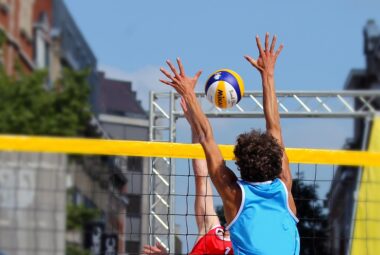
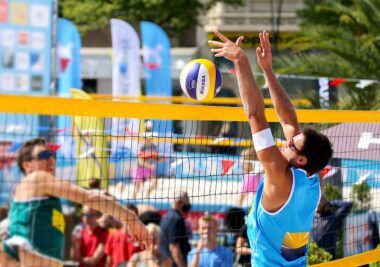
Volleyball players face a multitude of forces on the court that can predispose them to injuries, particularly in the lower body. The repetitive nature of jumping and sudden lateral movements leads to increased strain on joints and muscles. Therefore, injury prevention techniques must be incorporated into training regimens. Plyometrics can help enhance muscle power and efficiency, as during these explosive exercises, athletes train their fast-twitch muscle fibers, which generate high levels of force quickly. To effectively integrate these strategies into a comprehensive training regimen, coaches should emphasize the combination of strength, speed, and balance. Athletes should benefit enormously from employing exercises like box jumps, depth jumps, and single-leg hops that improve both strength and explosiveness, facilitating better performance. Additionally, including dynamic balancing exercises such as single-leg balance reaches, stability ball exercises, and wobble board drills can enhance proprioception and overall body awareness. This balanced approach not only supports athletic performance but also mitigates the risk of injuries linked to overuse or improper movement mechanics commonly observed in players. Thus, educators and trainers should regularly monitor athletes’ progress to foster safe, effective training environments.
The Role of Balance in Plyometric Success
Balance is essential for executing plyometric movements efficiently and safely. When athletes possess optimal balance, they can transfer force through their bodies more effectively and are less likely to experience falls or injuries during play. Stability is critical during take-offs and landings, as improper technique in these phases can lead to significant knee and ankle injuries. Hence, it is vital to incorporate balance training both independently and within the context of plyometric workouts. Research suggests that integrating balance-focused exercises not only fortifies the muscles used in jumping but also primes the neuromuscular system to improve muscle response times. These components ultimately contribute to enhancing performance and reducing injury risks. Training programs that utilize balance exercises should include a variety of modalities to target multiple muscle groups, incorporating equipment such as stability balls, balance beams, and Bosu trainers. By focusing on strengthening stabilizer muscles in the hips, knees, and ankles, volleyball players will experience enhanced coordination and quicker muscle activation. Coaches should therefore prioritize these exercises as an essential component of any comprehensive training program that aims to optimize player performance while minimizing injuries.
Furthermore, plyometric workouts must be tailored specifically to the volleyball player’s needs, considering their unique biomechanics and positions on the court. Position-specific training allows players to focus on the distinct demands and nuances of their game, ensuring they build the necessary strength and explosiveness for their roles. For example, outside hitters may require different plyometric exercises compared to setters to support their respective movement patterns. Integrating sport-specific maneuvers helps enhance muscle memory, allowing athletes to perform actions naturally and instinctively during competition. To maintain progress, trainers should regularly assess athletes’ technique, range of motion, and overall strength. Coaches can apply these assessments to adjust workout loads and challenges, ensuring athletes progress appropriately without risking their health. The mental aspect of training is equally vital, as athletes must also focus on maintaining concentration and developing proper functional movement patterns to minimize injury risk. Importantly, the application of feedback fosters a supportive training environment, enabling athletes to grow with confidence. In conclusion, adopting a tailored approach to training not only maximizes athletic potential but also prioritizes players’ safety on the court.
Creating an Effective Training Program
Developing an effective training program for volleyball players involves strategically balancing both plyometric exercises and balance training. A well-rounded regimen begins with a solid warm-up that prepares muscles and increases heart rates. Next, coaches should introduce balance exercises that incorporate dynamic movements, engaging muscle systems that support explosive actions. Routines may include activities like lateral lunges with arms reaching overhead, balancing on one leg with ankle weights, or balance challenges performed on unstable surfaces. Following balance exercises, plyometric movements should be integrated, including vertical jumps, bounds, and consecutive jump sequences. These exercises promote explosive power and vertical lift crucial for volleyball performance. Additionally, rest and recovery must be thoughtfully planned within the training program. Adequate recovery between sessions allows athletes to restore energy levels and repair muscle tissues, contributing to overall muscle growth and injury prevention. Trainers should ensure that the volumes and intensities of exercises remain manageable while progressively increasing challenge levels over time to continue improving players’ abilities. Ultimately, an effective training program combines both balance and plyometric components to create resilient, powerful athletes capable of performing at their best.
In order to gauge the effectiveness of any training program, consistent monitoring of player progress is essential. Regularly tracking performance metrics—such as vertical jump height, agility test results, and overall strength levels—ensures that athletes are continually progressing toward their goals. Using technology to monitor these metrics can also offer valuable insights into players’ physical conditions and training adaptations. Keeping a structured diary or log assists athletes in reflecting on their sessions, allowing them to identify areas of improvement and acknowledge successes. Assessment should not solely focus on physical performance; mental aspects must also be evaluated. Athletes’ confidence levels, focus, and motivation are crucial indicators of their development and emotional well-being during training. Coaches should facilitate open communication with players to discuss concerns and provide crucial support. This feedback-driven approach fosters a healthy training environment. It not only encourages athlete-coach rapport but also motivates players to work harder and strive for personal excellence. Ultimately, investing in both physical and mental assessment outcomes cultivates a well-rounded athletic experience that values progress and well-being alike.
The Importance of Injury Prevention
Plyometric training, though effective, comes with inherent risks. Consequently, trainers must prioritize injury prevention strategies to safeguard athletes while they enhance their performance. Comprehensive warm-up routines involving mobility exercises, stretches, and sport-specific movements should consistently precede any plyometric training session. This practice prepares the body for the demands ahead, consequently lowering injury risks. Additionally, employing proper landing mechanics is critical during plyometric drills. Athletes must be instructed on how to land softly and control their descent through a full range of motion to reduce impact forces on joints, particularly the knees and ankles. This emphasis on education ensures that athletes are aware of their body mechanics. Besides plyometric-specific precautions, developing individual plans addressing players’ specific needs helps manage injury risk. Regular evaluations allow the identification of muscle imbalances and weaknesses, ensuring that more attention is given to improving those areas. By instilling a focus on injury prevention from an early stage, athletes become more adept and physically conditioned to withstand the stresses of their sport, ultimately manifesting in improved wellbeing and longevity within their volleyball careers.
In conclusion, the integration of balance and plyometric training is crucial for volleyball players looking to enhance performance while reducing injury risks. As these two modalities work synergistically, they create a foundation for versatile athletes capable of quick, powerful movements essential for success in volleyball. Coaches and trainers should focus on designing sport-specific training programs that target the distinct combinations of balance and explosiveness required for the sport. Through tailored exercises, carefully monitored progression, and an emphasis on injury prevention, players are more likely to reap the physical benefits of these training adaptations while fostering a mindset geared toward excellence. The holistic approach will cultivate resilience in players and promote healthier athletic experiences, resulting in better retention of skills and athlete longevity. Sharing knowledge within the volleyball community encourages other teams and coaches to adopt similar methodologies, leading to a collective enhancement in performance standards. With a focus on integrating balance and plyometrics, athletes can confidently pursue their goals while minimizing injury risks. It’s critical for trainers, coaches, and athletes to collaborate closely to develop appropriate strategies and systems, fostering a culture of safety and peak performance on the court.