
Integrating Yoga and Mobility Work for Sambo Athletes
Sambo wrestling is a demanding sport that requires immense strength, flexibility, and body awareness. Athletes often seek ways to enhance their performance and reduce injury risk. Integrating yoga and mobility work into training routines provides valuable advantages. These practices complement the intense physical demands of Sambo wrestling, fostering better overall physical health. By improving flexibility, athletes can increase their range of motion, which is essential for executing techniques effectively. Furthermore, yoga cultivates mental focus and resilience, both of which are vital during competitive bouts. Mobility work helps to target tight areas, ensuring that joints and muscles are prepared for rigorous action. Adjustments in mobility can lead to improved technique execution and enhanced agility. Many athletes find that a consistent yoga regimen not only aids in recovery but also enhances core strength, stability, and balance. Overall, these practices facilitate a holistic approach to training in Sambo, yielding better athletic performance and minimizing long-term injuries. As we delve deeper into this topic, we will explore specific yoga poses and mobility drills tailored for Sambo athletes.
The Benefits of Yoga for Sambo Athletes
The incorporation of yoga into the Sambo athlete’s training regimen offers numerous benefits that extend beyond the mat. Practicing yoga encourages better breath control and relaxation, which are essential in high-pressure environments. By focusing on breathing techniques, athletes improve their oxygen intake, leading to enhanced stamina during matches. The dynamic stretches and postures of yoga enhance flexibility and reduce muscle tightness, promoting a greater range of motion. For Sambo practitioners, enhanced flexibility offers significant advantages in executing various grappling techniques and submissions. Additionally, yoga aids in developing a strong mind-body connection, allowing athletes to better understand their physical limitations and capabilities. This insight helps in avoiding injuries during practice and competition. Emphasizing mindfulness through yoga also enhances concentration, which can lead to better decision-making during matches. Overall, the multifaceted benefits of yoga not only improve physical performance but also nurture the mental resilience needed to thrive in competitive environments. In the following section, we will explore specific yoga poses that are particularly beneficial for Sambo athletes.
Essential Yoga Poses for Sambo Athletes
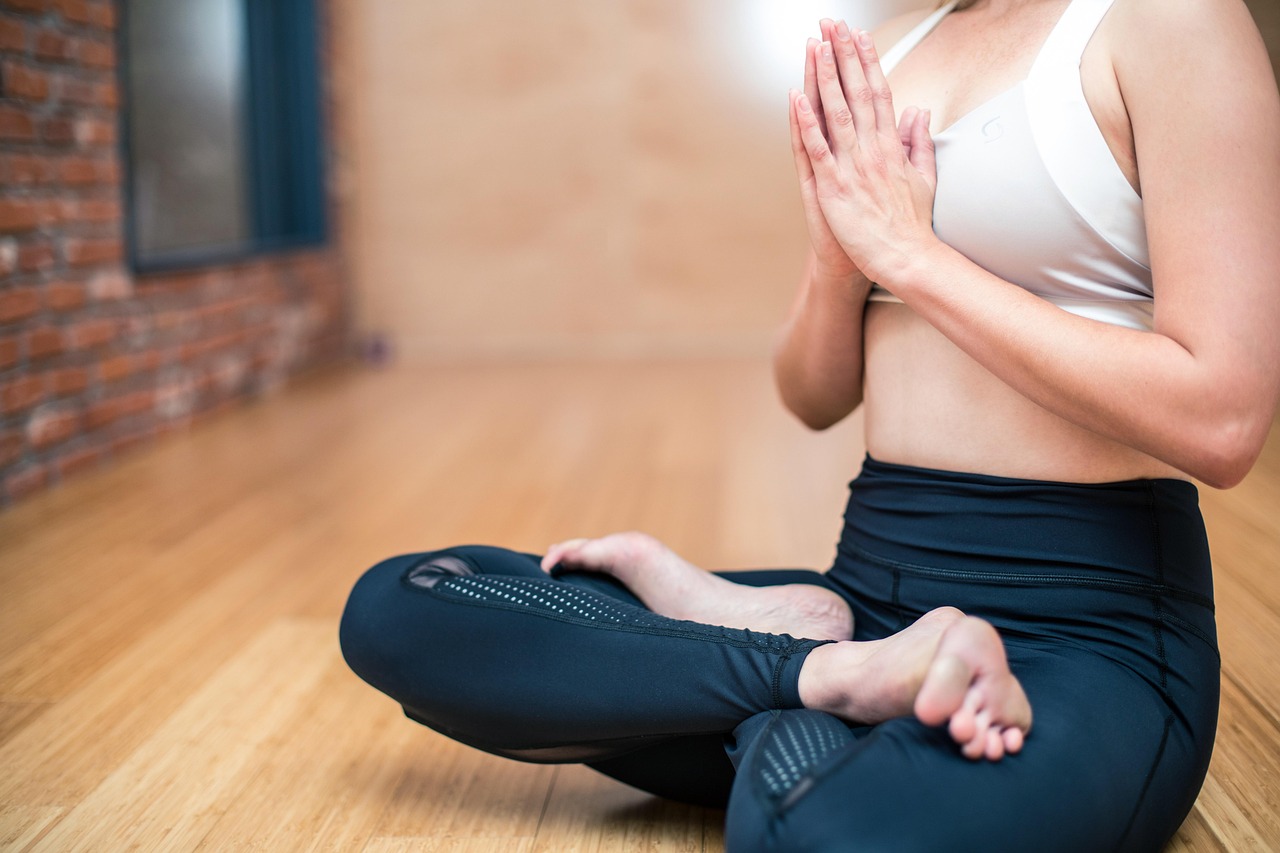
Several effective yoga poses can significantly benefit Sambo athletes by improving flexibility, strength, and balance. The ‘Downward-Facing Dog’ is great for elongating the spine and stretching the hamstrings. This pose helps to relieve tension in the back, which supports better movements during Sambo practice. Another beneficial pose is ‘Warrior II,’ which builds leg strength while enhancing stability and focus. This pose also encourages participants to develop strong grounding, essential for sambo wrestling. Additionally, the ‘Bridge’ pose strengthens the core and back muscles, improving overall posture and stability when executing throws. ‘Pigeon Pose’ is excellent for targeting hip openers, which translates into powerful leg movements during grappling. Furthermore, ‘Reclined Bound Angle Pose’ promotes deep relaxation while stretching the inner thighs, a crucial area for sambo athletes. Incorporating these poses into a regular routine helps prevent injuries and maintains physical alignment compatible with rigorous training. For optimal results, athletes should practice these postures mindfully and consistently, emphasizing breath control and alignment in each move. In the next section, we explore effective mobility work tailored for athletes.
Mobility work is key in enhancing athletic performance, particularly for Sambo wrestlers. It focuses on increasing joint range of motion, which is essential for executing grappling techniques effectively. Dynamic stretching as part of mobility routines improves blood flow and prepares muscles for physical activity. Athletes should incorporate exercises such as ‘arm circles,’ ‘leg swings,’ and ‘hip openers’ to build mobility and prevent injuries. These movements not only promote flexibility but also enhance coordination, essential features during competitive bouts. Furthermore, engaging in foam rolling enhances recovery and alleviates soreness, optimizing muscle recovery after intense training sessions. Additionally, incorporating movement patterns that mimic Sambo skills, such as lunges or squats, can enhance overall joint mobility and function. Such movements promote kinetic awareness and facilitate efficient technique execution. Regular mobility work results in not only improved performance but also better alignment to avoid injuries in the long term. It complements yoga practices effectively by preparing the body for the specialized demands of Sambo. As we continue, we will explore the importance of combining these training elements for holistic athlete development.
Combining Yoga and Mobility Training
Combining yoga and mobility work creates a powerful synergy for Sambo athletes, optimizing performance while reducing injury risk. By harmonizing strength, flexibility, and mental focus, athletes enhance their training effectiveness. Consistency in maintaining mobility primes the body for the physical challenges presented by Sambo wrestling. Yoga fosters mental clarity and relaxation, vital for maintaining composure during tense competitive situations. Athletes can schedule dedicated sessions for yoga and mobility training, ideally integrating these practices into their regular workouts. A session might start with dynamic warm-ups to mobilize joints, followed by a series of yoga poses that complement joint health and stability. Ending practices with restorative poses aids recovery, ensuring athletes are prepared for demanding training schedules. This structure allows athletes to engage deeply with their physical and mental requirements. Maintaining the delicate balance between technique, strength, and flexibility ultimately leads to a safer performance in Sambo wrestling. The ongoing integration of both practices encourages longevity in the sport while enhancing overall athletic success. The last section will summarize the critical takeaways for integrating these methods into Sambo training.
Conclusion: The Path to Improved Performance
In conclusion, the integration of yoga and mobility work in Sambo training offers numerous advantages for athletes striving for optimal performance. Both disciplines help enhance strength, flexibility, and mental resilience, factors crucial for success in the competitive landscape of Sambo wrestling. Athletes benefit from improved mobility and joint health, leading to more effective movement execution and reduced injury risks. By embracing structured training routines that encompass yoga and mobility drills, Sambo practitioners can cultivate greater focus and awareness during matches. Such practices foster a holistic approach that supports both physical and mental well-being, essential for succeeding in high-stakes environments. Furthermore, the incorporation of breathing techniques promotes better energy management, crucial for endurance during lengthy bouts. As aspiring Sambo athletes commit to these practices, they position themselves for improved performance and a deeper connection with their craft. The journey towards excellence in Sambo wrestling not only involves technical skills but also a thorough understanding of one’s body. Thus, ensuring longevity within this dynamic sport becomes achievable. Overall, the integration of these disciplines will create a more refined approach to athletic development.
In summary, Sambo athletes have everything to gain from the intentional incorporation of yoga and mobility work into their training. These practices cultivate not only physical prowess but also mental fortitude and awareness, highly beneficial traits in the fast-paced world of combat sports. This comprehensive approach ensures that athletes are at their best in competitions, equipped to face the rigorous demands of Sambo wrestling. By embracing these techniques, practitioners enhance their flexibility, strength, and focus, contributing to overall performance improvement. Furthermore, these practices encourage injury prevention and longevity in sports involvement, fostering sustainable athletic careers. To maximize results, athletes should seek professional guidance when attempting new poses and mobility drills while remaining consistent in their practice. As the sports landscape evolves, the fusion of various training methods will continue to play a fundamental role in athlete development. Integrating yoga and mobility work allows Sambo wrestlers to redefine their training paradigms while promoting overall health and wellness. This integration supports a system that prioritizes adaptability and resilience. Ultimately, the commitment to these disciplines will lead to a profound understanding of the athlete’s potential and pave the way for greater achievements.
This journey towards improved performance through yoga and mobility work showcases the evolving understanding of athlete training. The blend of these disciplines enriches the Sambo training experience, catering to fundamental physical and mental needs. Sambo wrestling demands resilience, strength, and flexibility, traits that yoga and mobility drills nurture adeptly. Athletes are encouraged to explore different practices, assessing which blends best with their training styles and needs. Ideally, a personalized approach should consider the individual’s strengths, weaknesses, and training goals. The mindful practice of yoga contributes profoundly to injury prevention and improved recovery rates. Meanwhile, mobility work maintains athletes’ peak performance levels through functional movement patterns. This holistic development approach shapes well-rounded athletes capable of engaging with various challenges. As fields within combat sports continue to progress, integrated training methods will likely rise in prominence. Each athlete’s journey is unique, yet the intersection of yoga and mobility offers a pathway towards excellence in Sambo. The commitment to this holistic framework ensures a more profound connection to one’s training and personal potential. By engaging with these methods, Sambo artists will craft their path to success, achieving remarkable milestones throughout their wrestling careers.