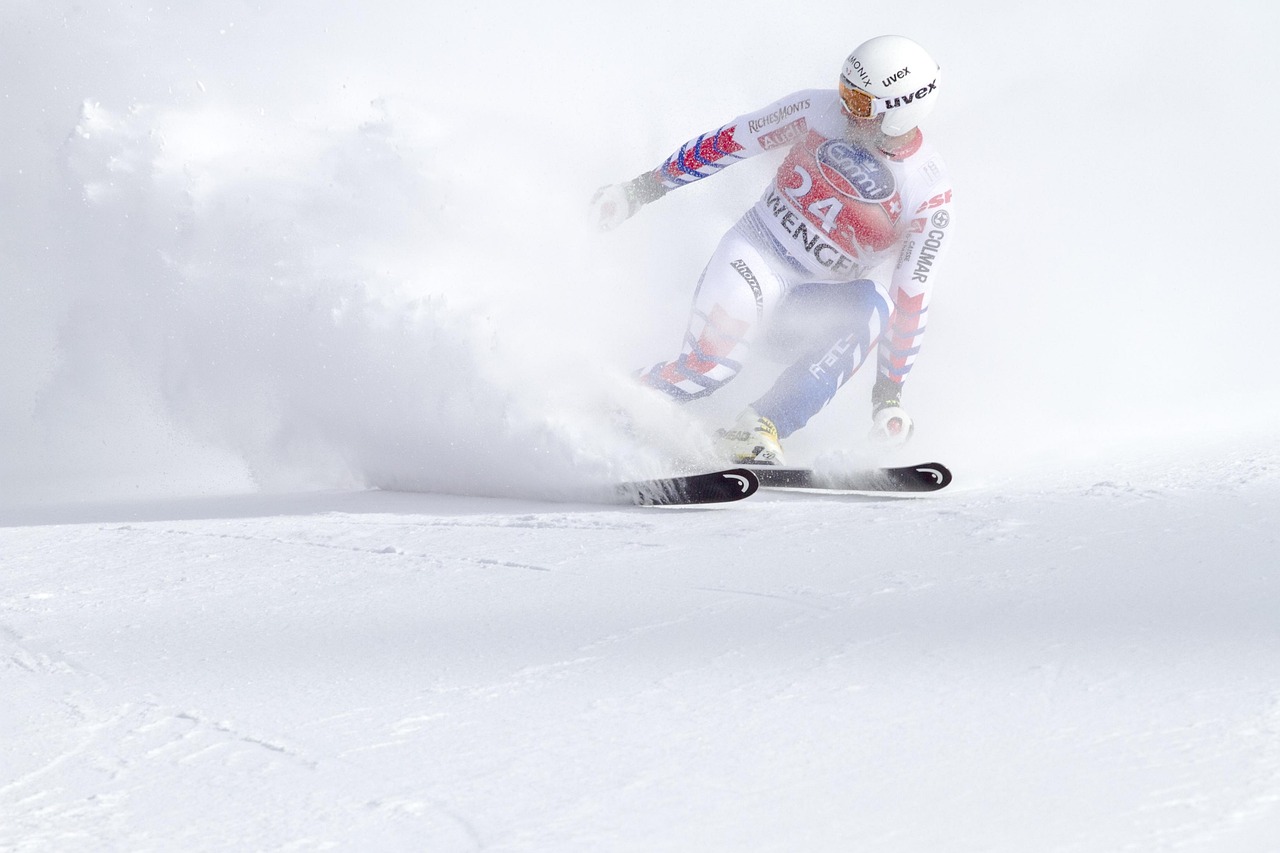

Effective Communication Techniques with Skiers
In skiing coaching, effective communication plays a crucial role in developing athletes’ skills and confidence on the slopes. Coaches should establish an environment that promotes open communication, as this fosters a strong relationship between the coach and the skier. Using clear and concise language is essential, particularly when giving instructions that involve technical skills. The possibility of misunderstanding can lead to errors and frustration, which can hinder performance. Hence, it’s important to break down complex maneuvers into manageable steps, allowing skiers to fully grasp the concepts. Utilizing visual aids can further enhance communication. Tools such as video analysis help athletes visualize their movements and understand areas for improvement. Providing positive reinforcement encourages skiers to accept feedback constructively, making them more willing to put effort into their training. At times, verbal feedback may not suffice, and non-verbal cues should also be incorporated, such as body language and demonstrations. Listening skills are equally vital; understanding each skier’s individual concerns allows for tailored coaching approaches that benefit overall performance and satisfaction. A personalized strategy can significantly improve not just technique, but also enjoyment of the sport.
Developing a communication model tailored for skiing is essential, as each skier has unique learning preferences. Coaches should assess each athlete’s preferred communication style, which might include visual, auditory, or kinesthetic modalities. By recognizing these styles, coaches can adapt their methods, ensuring that instructions resonate more effectively. For instance, visual learners might benefit from demonstrations, while kinesthetic learners require hands-on practice. Auditory learners, on the other hand, might thrive on in-depth explanations. Building rapport by using motivational language can increase a skier’s confidence and willingness to learn. Maintaining an encouraging tone during feedback sessions helps athletes process criticism more positively. Equally important is the timing of communication; feedback should be immediate after a relevant performance moment. Coaches should not wait too long, as delay can cause confusion about what specific behavior needs improvement. Regular check-ins to gauge progress help create a supportive coaching atmosphere. This ensures skiers feel valued and understood. Additionally, group discussions can benefit team dynamics, providing insights and enabling skiers to learn from one another. In this collaborative environment, mutual respect grows, ultimately enhancing overall skiing performance.
Utilizing Feedback Effectively
Utilizing feedback effectively is another pivotal communication technique in skiing coaching. Feedback can serve as a powerful motivator and guide, directing focus where it’s most needed. Coaches should strive to balance both positive and constructive feedback, helping skiers recognize their achievements while also identifying areas for growth. It’s vital to articulate feedback in a way that is specific and actionable. Instead of vague comments, coaches could highlight what was executed well and what adjustments are recommended. For instance, instead of saying, “You are not turning well,” a more constructive note would be, “Adjust your weight distribution on the turns for better control.” Regularly seeking feedback from skiers about the coaching process also helps refine communication. This exchange can enhance understanding, as athletes may provide insights into their preferences or needs. Encouragement should accompany any suggestions for improvement, reinforcing the notion that learning is a journey filled with opportunities. Emphasizing a growth mindset in discussions creates resilience and encourages skiers to embrace challenges. As a coach, being present both physically and emotionally strengthens these essential communication techniques.
Another effective strategy is utilizing technology to enhance communication. Many skiing coaches now integrate apps and video analysis software that allow athletes to review their performance in real time. These tools can provide immediate feedback, enabling skiers to make necessary adjustments quickly. Apart from technical skills, the use of wearables that monitor skiing performance can also facilitate discussions around physiology and effort levels. Coaches can tailor their messaging based on data collected, which offers an analytical approach to improvement. This data-driven communication can be particularly beneficial for advanced skiers looking to refine their technique. Periodic assessments through quizzes or skill challenges can also be integrated into training. These assessments not only help track progress but also encourage engagement, motivating skiers to actively participate in their development. When athletes see measurable progress, their confidence skyrockets. Furthermore, ensuring ongoing communication through platforms such as group chats can help foster a community feel. This connection allows skiers to share experiences and advice, reinforcing the notion of teamwork. Ultimately, by embracing technology, coaches can enhance the effectiveness of their communication strategies exponentially.
Adapting Communication Styles
In a diverse coaching environment, adapting communication styles becomes vital. Skiers come from various backgrounds, with differing levels of experience, age, and cultural influences. Being culturally sensitive and aware can significantly improve communication efficiency. Coaches must fine-tune their messages, ensuring that they are not only heard but understood. For example, a more assertive approach might resonate with experienced skiers who appreciate direct feedback, while younger or novice athletes may respond better to a softer delivery. Additionally, language barriers must be acknowledged, especially in international settings. Utilizing simple language and avoiding jargon can make instructions more accessible. Incorporating visual aids, such as diagrams or videos, aids in breaking down complex ideas, ensuring comprehension across diverse groups. Regularly checking on understanding through questions or demonstrations can further clarify any uncertainties. In mixed-level groups, peer support can be encouraged, where more experienced skiers assist novices in decoding instructions. This not only fosters teamwork but also enables stronger connections among skiers. Ultimately, adapting communication fosters an inclusive environment, promoting collective growth and ensuring every skier can thrive.
A strong coaching philosophy significantly influences communication effectiveness in skiing. Coaches should establish their guiding principles clearly, creating a framework that drives their coaching approach. Including core values such as respect, passion, and commitment lays a foundation for open dialogue. Skipping this groundwork may lead to misunderstandings, eroding trust and rapport. Coaches must embody these values in all interactions, providing a consistent example that skiers can follow. Documenting and sharing these philosophies through team meetings and printed materials can be beneficial, ensuring athletes understand the expectations. Furthermore, creating opportunities for athletes to voice their philosophy enhances their sense of ownership over their development. Holding discussions or workshops can bring skiers together, encouraging collaborative input. This collective voice reinforces a shared vision, promoting unity within the team. Celebrating the team’s accomplishments, however small, reinforces the importance of the coaching philosophy and builds a supportive community. Recognizing individual and team successes fosters motivation. A strong foundation of shared beliefs opens up lines of communication, paving the way for athletes to express concerns and triumphs. Thus, a clear coaching philosophy not only directs tactics but shapes a positive communication culture.
Conclusion
In conclusion, effective communication techniques in ski coaching are fundamental for optimizing athlete performance. By establishing a communication plan that adapts to various learning styles and using tech tools, coaches create supportive environments conducive to growth. Regular feedback sessions help skiers recognize their progress and embrace challenges. Establishing a strong coaching philosophy enhances trust and dialogue, motivating athletes to express themselves. Effective strategies account for the diversity present within teams, ensuring that everyone feels included. Cultural sensitivity and respect play essential roles in enhancing communication efficiency. Coaches must consistently reflect on their communication methods, seeking feedback from skiers to continually improve their approach. Engaging with athletes on both technical and personal levels builds stronger relationships within the sport. Leaders in skiing coaching must champion communication, propelling athletes to their personal bests. The importance of harnessing these techniques for success cannot be understated. Coaches who actively engage in refining their communication strategies ultimately set their athletes up for sustained performance and fulfillment on the slopes. In modern skiing coaching, mastering these communication techniques is essential in fostering relationships and achieving collective goals.
This is another paragraph with exactly 190 words…