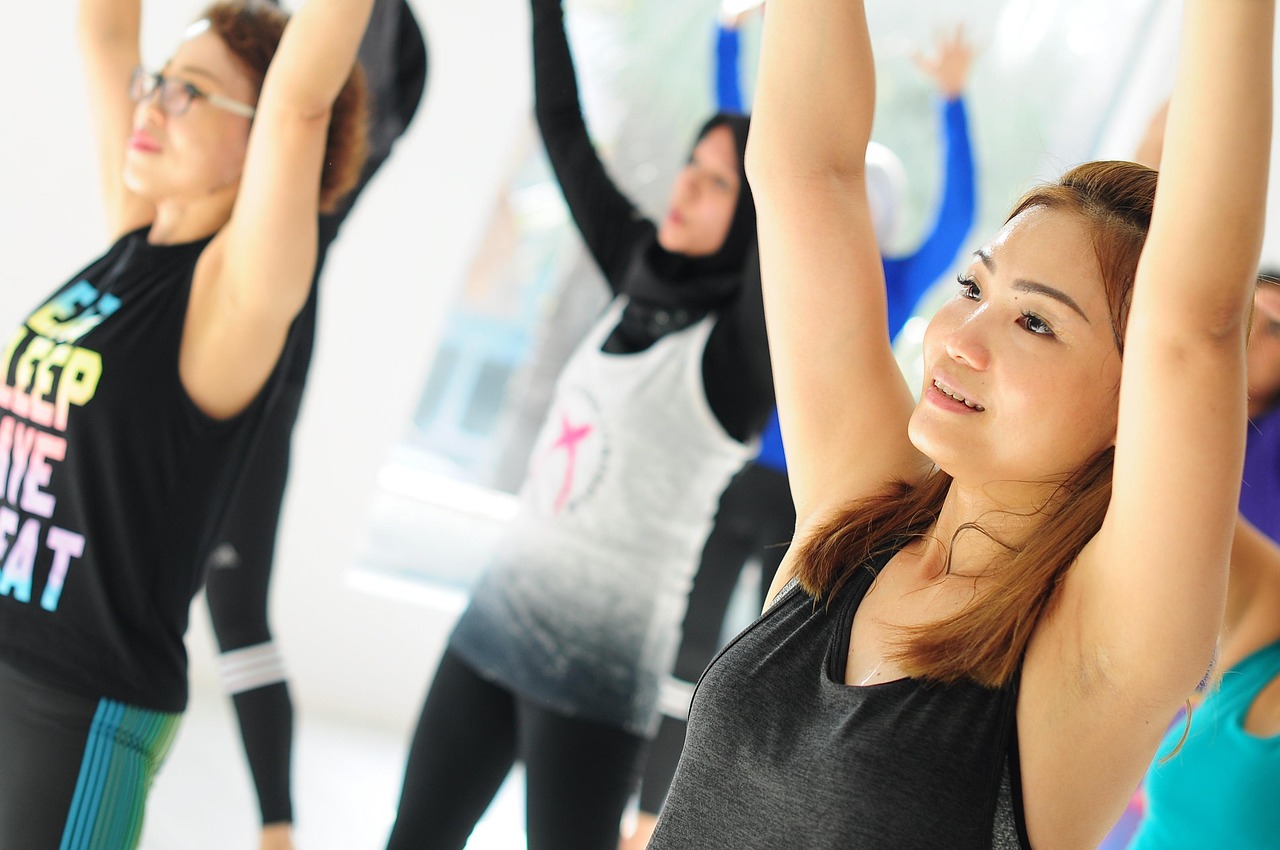

Impact of Group Fitness Classes on Social Anxiety
Group fitness classes can be a game changer for individuals struggling with social anxiety, offering not just physical benefits but also psychological support. These classes foster a sense of community, making it easier for participants to connect with others in a structured environment. Many people with social anxiety find it challenging to engage with others, but exercising in a group can create a shared interest that acts as a conversation starter. Furthermore, the atmosphere in these classes promotes acceptance and encouragement, which can help alleviate the fears associated with social situations. Participants often report feeling less isolated when surrounded by others who are pursuing similar fitness goals. With regular attendance, individuals may increasingly feel comfortable and confident, reducing anxiety over time. Moreover, the environment of a fitness class encourages applause and positive reinforcement, which can boost self-esteem. Relating to others through shared experiences, such as workout routines, facilitates the formation of friendships. Overall, the synergy between physical activity and interpersonal interaction serves as a powerful antidote to the challenges posed by social anxiety, potentially transforming lives in a holistic manner.
A key benefit of group fitness classes lies in the structured format, which provides predictability that many individuals with social anxiety crave. Predictable schedules and defined routines allow participants to mentally prepare for their classes, reducing anxiety around the unknown facets of social interaction. In such an environment, the focus shifts primarily to the instructor and the workout rather than interpersonal dynamics, which can be daunting. Classes that incorporate team-based activities further bolster this initiative, encouraging camaraderie and collaboration. The direct involvement in group drills creates an inherent bond among participants as they motivate each other towards performing better. Additionally, these classes often include warm-up sessions that can serve as icebreakers, allowing participants to engage with each other in a relaxed setting. Many find that overcoming initial awkwardness in this context becomes much easier, transitioning into new friendships beyond the fitness studio. Through regular interactions, social skills gradually improve and participants start feeling more at ease in various other social settings. The dual benefits of physical fitness and easing social anxiety make group classes an appealing choice for support and better mental health outcomes.
The Psychological Impact of Exercise
Engaging in physical activity frequently boasts benefits for mental health, particularly by reducing symptoms of anxiety and depression. When performed in a group setting, these benefits can be amplified, creating a supportive environment that catalyzes positive change. Exercise triggers the release of endorphins, known as the feel-good hormones, which significantly uplift mood and promote emotional stability. Group fitness classes provide the added advantage of social interaction, which further contributes to emotional well-being. Exercising alongside others fosters a sense of belongingness, counteracting feelings of loneliness and isolation. This social connectivity serves as a vital component in managing anxiety symptoms, as group settings typically engender an atmosphere of acceptance that diminishes self-judgment. Over time, participants may find that their self-confidence grows, not only in their physical abilities but also in their capacity to interact socially. The effects of moving beyond personal spaces, into shared environments, enables individuals to recognize their potential and capabilities in social contexts. Participating in group exercises also presents an opportunity to develop friendships, thereby providing a support network to help navigate life’s challenges, resulting in a favorable impact on overall psychological health.
Moreover, the intrinsic motivation that arises from participating in group classes can combat social anxiety effectively. Shared accountability can lead to increased commitment towards attending classes consistently, allowing for the cultivation of routines that are essential for mental health improvement. In many instances, individuals report feeling inspired by their peers, which ignites a desire to push through physical limits. Enhanced motivation not only links to physical progress but also correlates to feeling less anxious about their capabilities. Class members often develop a sense of collective purpose, celebrating each other’s achievements, which creates a supportive fitness ecosystem that encourages persistence. This shared journey of improving fitness brings people together, helping to dissolve social barriers and fears. As they sweat through challenging exercises, relationships naturally blossom, and participants find comfort in common struggles and shared triumphs. Consequently, the very act of exercising together encourages vulnerability and trust. Additionally, the dynamics of accountability prepare participants for interactions outside of fitness environments, translating group fitness experiences into social competence. These factors culminate in empowering experiences that diminish social anxiety while promoting a healthier lifestyle overall.
Building Coping Strategies
Incorporating group fitness classes into a wellness routine not only benefits physical health but also equips individuals with significant coping strategies for dealing with social anxiety. Many participants gain insights into confronting their fears through interactions with fellow attendees and navigating exercises that require communication and coordination. This exposure helps desensitize anxiety triggers associated with social situations, making them feel much more manageable over time. The skills learned through these interactions can extend into various aspects of daily life, improving overall communication skills and enhancing adaptability in social scenarios. The atmosphere of support within group classes serves as a safe space where individuals can express their concerns and receive empathetic feedback. This ongoing process of sharing and listening contributes positively to building resilience against anxiety. Furthermore, as individuals begin to reach their fitness goals together, they learn that success is achievable, increasing their self-efficacy. The experience of supporting one another through challenges in the fitness arena shapes confident decision-making skills and reinforces established friendships, presenting participants with assorted avenues to combat social anxiety wherever it surfaces in life.
Additionally, the integration of mindfulness and relaxation techniques within certain group fitness classes can enhance their effectiveness for addressing social anxiety. Activities such as yoga or Pilates, which often incorporate methods of focused breathing and meditation, promote a deeper awareness of one’s thoughts and feelings. This self-observation aids participants toward reducing anxiety and adjusting their mindset toward various challenges. In a group setting, these techniques serve to create a profound sense of shared vulnerability among participants. This collective experience cultivates an unspoken bond, easing the discomfort associated with open discussions about personal struggles related to anxiety. Furthermore, investigating mindfulness through group fitness not only aids relaxation but also opens pathways for participants to delicately confront the sources of their anxiety. Attending classes that promote both physical and mental wellness encourages individuals to embrace their journeys towards healing. The understanding gained in these settings can ultimately lead to an enhanced appreciation for oneself and acceptance of imperfections. Therefore, integrating mindful practices within group exercises can provide a robust combination, heightening the prospects for overcoming social anxiety as well as cultivating resilience.
Conclusion
In conclusion, engaging in group fitness classes emerges as a powerful tool for enhancing mental health, particularly for those grappling with social anxiety. The combination of physical exercise, structured environment, and meaningful interactions creates an empowering atmosphere conducive to building confidence and resilience. By sharing fitness experiences, individuals cultivate connections that can last well beyond the gym, enriching their social lives and enhancing their collective experiences. Not only do these classes provide physical benefits, such as improved strength and cardiovascular health, but they also open up avenues for greater emotional support and friendship. As participants learn to navigate social interactions skillfully, they significantly contribute to their healing and growth process. Furthermore, the cumulative support systems established within these classes translate to greater engagement in varied social settings in daily life. Ultimately, the impact of group fitness classes extends beyond physical activity, transforming lives by reducing social anxiety and promoting holistic wellness. As awareness of these benefits expands, more individuals might find group fitness to be an enriching path toward achieving mental well-being and vitality.
Some participants may initially resist joining group classes due to their social anxiety. However, overcoming these initial barriers can lead to transformative experiences. Taking that first step into a class is often facilitated by acknowledging these fears and taking small, manageable actions. Therefore, awareness of the powerful benefits associated with group fitness and establishing realistic expectations become critical to one’s journey. Gaining insights into class dynamics, beginner-friendly options, and meeting instructors ahead of time can ease anxieties associated with new environments. Additionally, bringing along a supportive friend during the first few visits can increase comfort levels and ease transitions into these classes. Gradually, through exposure and engagement, individuals can witness their progress in overcoming fears. Regular attendance provides incremental exposure to social stimuli, allowing participants to adapt and thrive. This process not only reinforces commitments but also cultivates a newfound appreciation for movement and fitness. By welcoming oneself into a community filled with shared goals, individuals gradually dismantle walls built by insecurity and anxiety. Truly, the experience of engaging in group fitness proves as an opportunity for healing, breaking through personal barriers and embracing a healthier lifestyle at the same time.