
Targeted Lower Body Strength Exercises for Week 3
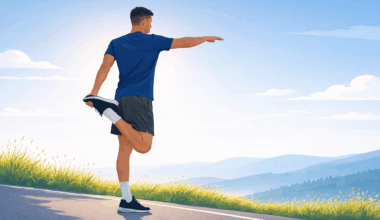
This week, we focus on enhancing your lower body strength with a series of targeted exercises. Building strength in your legs not only improves athletic performance but also contributes to overall body stability, power, and endurance. This week’s workout plan will introduce exercises designed to activate your glutes, hamstrings, quads, and calves effectively. To get the most out of your lower body workout, ensure that you have the proper form for each exercise to minimize the risk of injury. Proper warm-up routines are crucial in preparing the muscles for intense training sessions. Incorporate dynamic stretches focusing on the lower body to loosen your muscles before starting. Hydration should also be prioritized throughout your workout. Always remember to take breaks as necessary to maintain optimal performance. You’ll be looking at exercises like squats and lunges, which recruit multiple muscle groups at once. Work to engage your core during these movements, as it adds additional stability. Let’s dive into the specifics of the exercises for this week’s plan, which will guide you step-by-step for optimal performance and results.
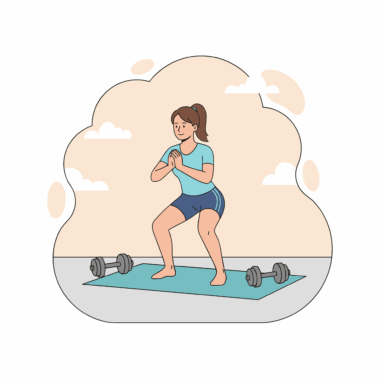
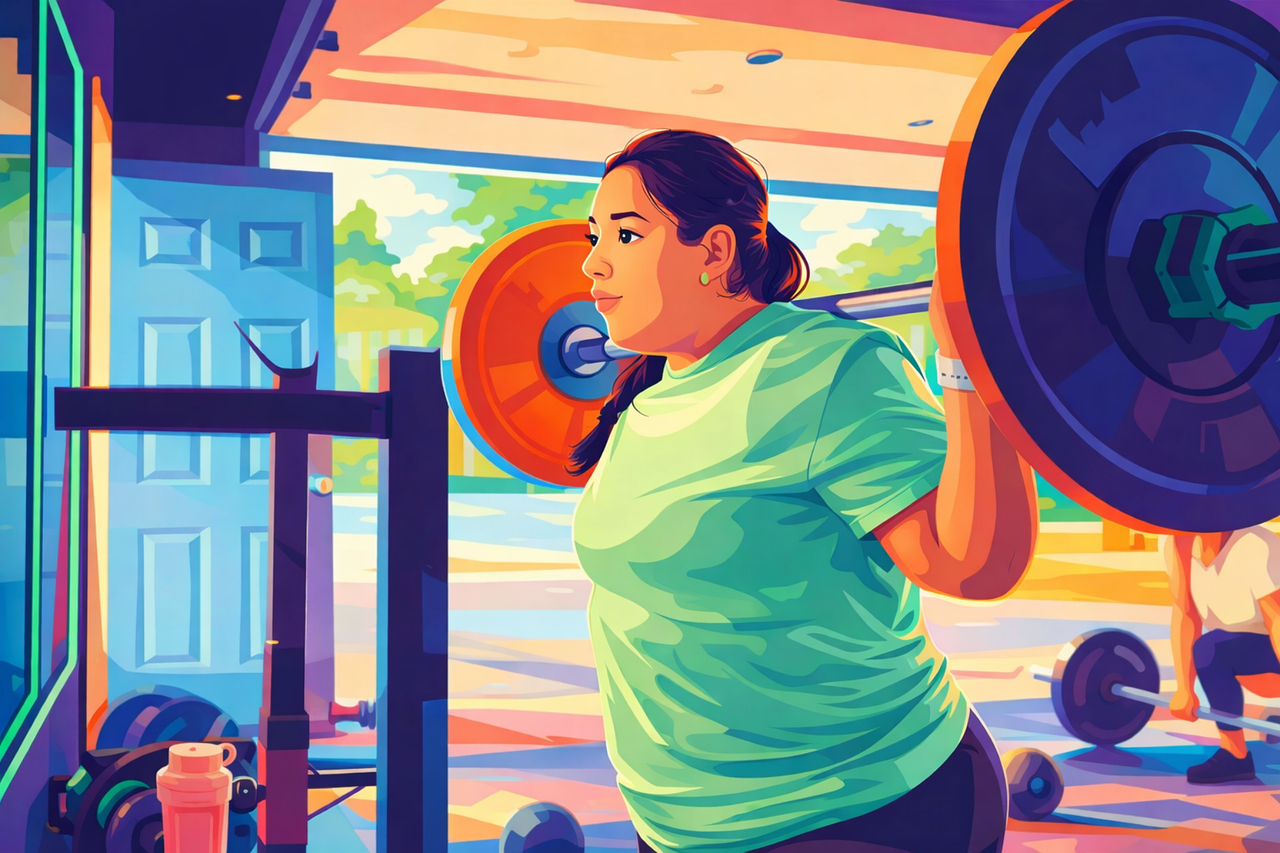
The first exercise in our targeted lower body workout plan is the classic squat. Squats are essential for developing lower body strength, as they effectively engage your quadriceps, hamstrings, and glutes. Start your squat with your feet shoulder-width apart. As you lower yourself down, keep your chest up and your back straight, ensuring that your knees do not extend beyond your toes. Aim for at least three sets of ten to twelve repetitions. Another great exercise to complement squats is the lunge. Lunges target your glutes, quads, and hamstrings, promoting balance and stability. Perform standing lunges, stepping forward with one leg while lowering your body until your back knee nearly touches the ground. Alternate legs for three sets of ten repetitions on each leg. These exercises can be enhanced by incorporating weights, such as dumbbells or kettlebells, to further challenge your muscles. Additionally, remember to cool down after each session with stretching focused on the lower body to promote flexibility and reduce muscle soreness. This routine will set a strong foundation for your future workouts.
Building on Strength with Deadlifts
Moving forward in the lineup, a compound exercise known as the deadlift should become a staple in your lower body workout. The deadlift targets the glutes, hamstrings, and lower back, making it a comprehensive choice for strength-building. To perform this exercise correctly, stand with your feet hip-width apart and grip a barbell or dumbbells. Begin the movement by lowering your body while keeping your back straight, and then rise while pushing through your heels. Aim for three sets of eight to ten repetitions with a moderate weight. As you grow more comfortable with form, gradually increase the weights to keep challenging your muscles. Deadlifts not only enhance muscle strength but also improve your core stability and grip strength. Make sure to maintain proper posture throughout the movement, as incorrect form can lead to injury. Additionally, having a spotter or conducting this exercise in front of a mirror may help ensure you’re maintaining the right posture. The addition of deadlifts will surely improve your overall lower body strength and conditioning.
Next, we will focus on the hip thrusts, another exceptional exercise perfect for building your glutes and hamstrings. The hip thrust works primarily to isolate the glute muscles, promoting their growth and strength. To perform this exercise, sit on the floor with your upper back against a bench. Roll a barbell over your hips and plant your feet flat on the ground. Push through your heels to lift your hips toward the ceiling until your body forms a straight line from your shoulders to your knees. Aim for three sets of twelve to fifteen repetitions. If you want to increase the difficulty level, consider adding a resistance band around your knees. This band will help tighten your glutes further while maintaining the correct form. It’s an excellent option if you’re particularly looking to enhance glute aesthetics or total lower body strength. Combining hip thrusts with other exercises such as squats and lunges creates a well-rounded lower body routine that can lead to impressive results over time.
Enhancing Balance with Step-ups
Incorporating step-ups into your lower body routine is an effective way to enhance balance and coordination while strength training. Step-ups primarily target your quads and glutes, making them an essential addition to your workout. To execute a proper step-up, use a bench or a sturdy platform that is about knee-height. Stand in front of the platform with one foot planted firmly on top. Push through the elevated foot and step up, bringing your other knee up towards your chest. This dual motion works your stabilizer muscles effectively. Complete three sets of ten to twelve repetitions on each leg. To add a challenge, hold weights in your hands as you step up. It may also be beneficial to incorporate various stepping heights and directions by stepping sideways or backward. The versatility of step-ups allows you to engage your muscles differently while preventing workout boredom. Moreover, ensure that you maintain proper posture, keeping your core engaged to support your back during the movement. This exercise will aid in enhancing overall lower body strength and balance.
Next, we will incorporate resistance bands, which are fantastic tools for adding another layer of challenge to your workouts. Resistance band exercises provide continuous resistance throughout the movement and engage your stabilizing muscles. A popular exercise to include is the lateral band walk. Place a resistance band around your thighs above your knees. With your feet shoulder-width apart, take sideways steps to engage your glutes and outer thighs effectively. Complete three sets of fifteen steps in each direction. Another excellent resistance band exercise is the seated leg press, using the band to mimic the motion of a traditional leg press machine. Secure the band under a sturdy surface and press your feet against it while seated. This exercise effectively targets your quads while engaging the hamstrings and calves. Integrating resistance band exercises with compound movements like squats or deadlifts reinforces your lower body routine and creates variety. The adaptability of resistance bands can enhance your workouts significantly, making them suitable for all fitness levels.
Recovery and Tips for Successful Workouts
Finally, be mindful of the recovery process to avoid injuries and promote muscle growth. Recovery should include adequate rest between workout sessions and consistent hydration. After intense lower body workouts, consider allowing 48 hours before targeting the same muscle groups again. Employ active recovery methods, including gentle foam rolling or light yoga, to alleviate muscle tension and stiffness. Nutrition plays a vital role in recovery; ensure you consume protein-rich foods to aid muscle repair. Incorporating foods like chicken, fish, legumes, and dairy can optimize your recovery process. Furthermore, paying attention to your sleep hygiene is crucial, as proper sleep allows for regeneration and muscle growth. Create a calming pre-sleep routine, avoiding screens to enhance restful sleep. Throughout Week 3, focus on listening to your body; if you feel fatigued or sore, consider adjusting your workout intensity accordingly. Lastly, maintain a positive mindset, celebrating small progress, and inspiring yourself to stay committed to your workout routine. Building strength takes time, and each workout contributes to that long-term goal.
As you wrap up Week 3 of your workout plan, take a moment to reflect on the progress you have made. Each exercise you have performed aims to strengthen the muscles in your lower body. This week’s emphasis on squats, lunges, and deadlifts should enhance your overall leg strength while improving posture and stability. Consistency in these workouts can lead to significant improvements in body composition and physical capacity. Evaluate your performance through personal records, tracking progress in terms of weights lifted and overall endurance. Also, consider how you feel in terms of energy levels, which can indicate the effectiveness of your training regimen. Remember, fitness is a journey, not a destination, so embrace the process of achieving your fitness goals. Use this week as a stepping stone, building a robust foundation for subsequent workouts. Share your experiences with fellow workout enthusiasts to stay motivated and learn from one another. Engaging in community support, be it online or even in local fitness groups, can foster a positive environment for continuous improvement in your fitness journey.