
Tracking Your Postnatal Fitness Progress from Home
Embarking on a postnatal fitness journey requires dedication and self-awareness. Tracking your progress is essential in staying motivated and understanding your body’s changes. Start by setting clear and attainable fitness goals. For example, aim to incorporate 20 minutes of exercise three times a week, gradually increasing the duration and frequency. By establishing a consistent workout routine, you may notice improvements in strength, endurance, and overall wellbeing. To effectively monitor your achievements, consider maintaining a fitness journal or utilizing a mobile application designed for tracking workouts. Document your routine changes, milestones, and feelings associated with your workouts. This practice can help you identify patterns in your progress and aid in adjusting your workouts for better results. When tracking, do not focus solely on weight loss; instead, celebrate different successes like improved mobility or increased energy levels. It’s also beneficial to track your time and repetitions for exercises. Lastly, remember that having a support system, whether through a virtual group or a friend, can provide encouragement and accountability as you progress in your postnatal fitness journey.
Set Realistic Goals and Milestones
Establishing realistic goals and milestones is a crucial aspect of your fitness journey. Consider dividing your larger goals into smaller, manageable milestones. This way, you can celebrate achievements along the way, which builds motivation. Start by focusing on achievable short-term goals, like completing a specific set of exercises each week. As you gain confidence and capability, shift your focus to long-term goals, such as returning to your pre-pregnancy fitness level or mastering a new workout. Consistency is key, so schedule specific workout times during your week, and treat them as appointments. Visualize each milestone, like completing your first full workout session, to reinforce your commitment. Additionally, sharing these goals with friends, family, or your online community can help you stay on track. They can offer support and encouragement, making it easier for you to persevere through challenges. Be sure to regularly reassess your goals to adjust them in alignment with progress and changes. Your postnatal fitness journey is personal and unique, so focus on what works best for your body and energy levels as you move forward.
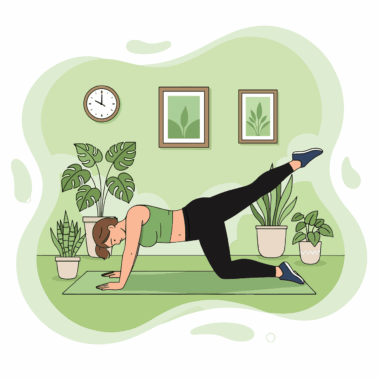
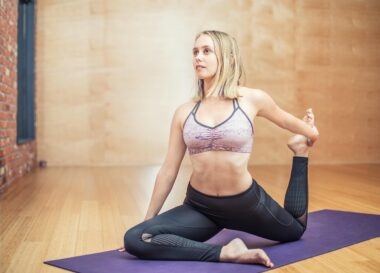
Integrating strength training into your postnatal fitness routine can significantly benefit your recovery. Strength training helps rebuild your core muscles that may have weakened during pregnancy. Emphasize exercises targeting your pelvic floor, abdominal muscles, and back to promote a solid foundation. You can use body weight, resistance bands, or light dumbbells for your workouts. Make a point to focus on proper form to prevent injury and maximize effectiveness. Begin with low-impact exercises, gradually increasing the intensity as you build strength and confidence. Consider incorporating bodyweight leg lifts or wall push-ups, which are effective and safe for postnatal moms. Incorporating an element of variety into your routine, such as trying yoga or Pilates, can help maintain engagement and provide additional benefits, like improving flexibility and relaxation. Moreover, don’t hesitate to listen to your body, adjusting your routine as necessary. As you progress, document your workouts in your fitness journal, logging sets, and reps to ensure accountability. Pay attention to how you feel physically and mentally after each session. This mindfulness can greatly enhance your postnatal fitness experience and help you track your overall wellbeing.
The Importance of Nutrition
Nutrition plays an essential role in your postnatal fitness journey. Nourishing your body after childbirth is crucial for your recovery, energy levels, and overall wellbeing. Focus on a balanced diet rich in fruits, vegetables, whole grains, and proteins to support your fitness goals. Proper hydration is equally important; aim to drink plenty of water throughout the day, especially if you are breastfeeding. Monitor your snack choices as well; opting for wholesome snacks, such as nuts, yogurt, or fruit, can fuel your body during workouts. Additionally, consider consulting with a nutritionist specializing in postnatal diets for tailored advice. They can provide insights into maintaining energy levels and ensuring proper nutrient intake. Meal prepping over the weekend can save time during busy weekdays, making it easier to stick to your healthy eating plan. Incorporating a variety of foods can also prevent boredom and increase the chances of meeting nutritional needs. Lastly, remember to practice self-compassion; some days may be challenging, and it’s okay to indulge occasionally. Staying mindful and balanced in your approach will support your long-term fitness success.
Finding a workout buddy can enhance your postnatal fitness experience. Exercising with someone can significantly increase accountability and motivation while also making workouts more enjoyable. Look for local mom groups or virtual fitness communities to connect with other new mothers interested in exercise. Alternatively, invite a friend or family member to join you during workouts. Engaging in shared fitness activities can strengthen relationships and promote emotional wellbeing. Use shared fitness goals as a topic for discussion to create a supportive environment. Consider trying new classes together, such as yoga or Zumba, which can add variety to your routine and foster a sense of camaraderie. Additionally, participating in online classes or fitness challenges together will ensure that you both stay committed to your goals. This provides an extra layer of motivation and enjoyment during workouts, making the process far less daunting. Remember that it’s perfectly alright to adjust your fitness routine based on your evolving needs or schedules. By maintaining communication with your workout partner, you’ll have a fantastic support system throughout your postnatal fitness journey.
Monitor Physical and Emotional Wellbeing
It’s essential to monitor both physical and emotional wellbeing during your postnatal fitness journey. Recognize that postpartum healing can vary dramatically from one person to another. Pay close attention to how your body reacts to different exercises and listen to its needs. If you experience pain or discomfort while working out, don’t hesitate to adjust your routine or seek advice from a healthcare professional. Emotional wellbeing is equally vital; postpartum emotions can fluctuate significantly. Practicing mindfulness and meditation can enhance mental clarity and emotional stability. Consider dedicating a few minutes each day to quiet reflection or guided meditation to help navigate emotional rollercoasters. Journaling your feelings might also provide insight into your emotional state, making it easier to express yourself and process your experiences. Seek out supportive communities where you can share both triumphs and challenges. Participating in online or in-person support groups can be immensely beneficial for connecting with others undergoing similar experiences. Remember that mental health is just as crucial as physical health, and nurturing both is key to a balanced postnatal fitness journey.
Evaluating your progress regularly is vital to achieve your postnatal fitness goals. Schedule weekly or bi-weekly check-ins to assess your fitness journey, celebrating both small and large accomplishments. Use various tools to measure progress, such as tracking the duration and intensity of workouts and any physical changes, like muscle tone or weight. It’s essential to keep in mind that progress isn’t solely about numbers; subjective experiences are equally important. Reflect on how you feel both physically and emotionally as you continue your workouts. Journaling these feelings can provide crucial insights and motivate you to persist through tough weeks. Another excellent method of evaluation is taking photos of yourself throughout your journey, which can visually demonstrate your transformation over time. Additionally, consider keeping a checklist of accomplishments to remind yourself of your successes. This will not only enhance your confidence but also provide a roadmap for the future. Be patient with yourself; the postnatal fitness journey is unique to each individual, and cultivating self-compassion will end up being crucial in achieving lasting results.
Conclusion: Embrace the Journey
In conclusion, embracing your postnatal fitness journey is key to enhancing both physical and emotional wellbeing. Acknowledge that your body has undergone immense changes, and it’s essential to treat yourself with kindness and patience as you embark on this new path. Establish clear goals, seek support from friends or communities, and embrace flexibility in your routines. Staying consistent and committed to your progress, even in small increments, will cultivate a more positive mindset around fitness and health. Be mindful of nutrition and hydration while remaining open to exploring new workouts. Recovery and healing take time, and it is vital to listen to your body’s cues. By documenting your journey in a reflective manner, you’re fostering self-awareness and gratitude for your unique experience. Celebrate every milestone, no matter how small, as these contribute to building a stronger and healthier you. Ultimately, your postnatal fitness journey should be enjoyable and fulfilling. Approach each workout with enthusiasm and embrace the changes as they come. This will lead to not only improved physical fitness, but also a profound sense of accomplishment and emotional wellbeing.