
Evaluating and Selecting Tennis Training Facilities
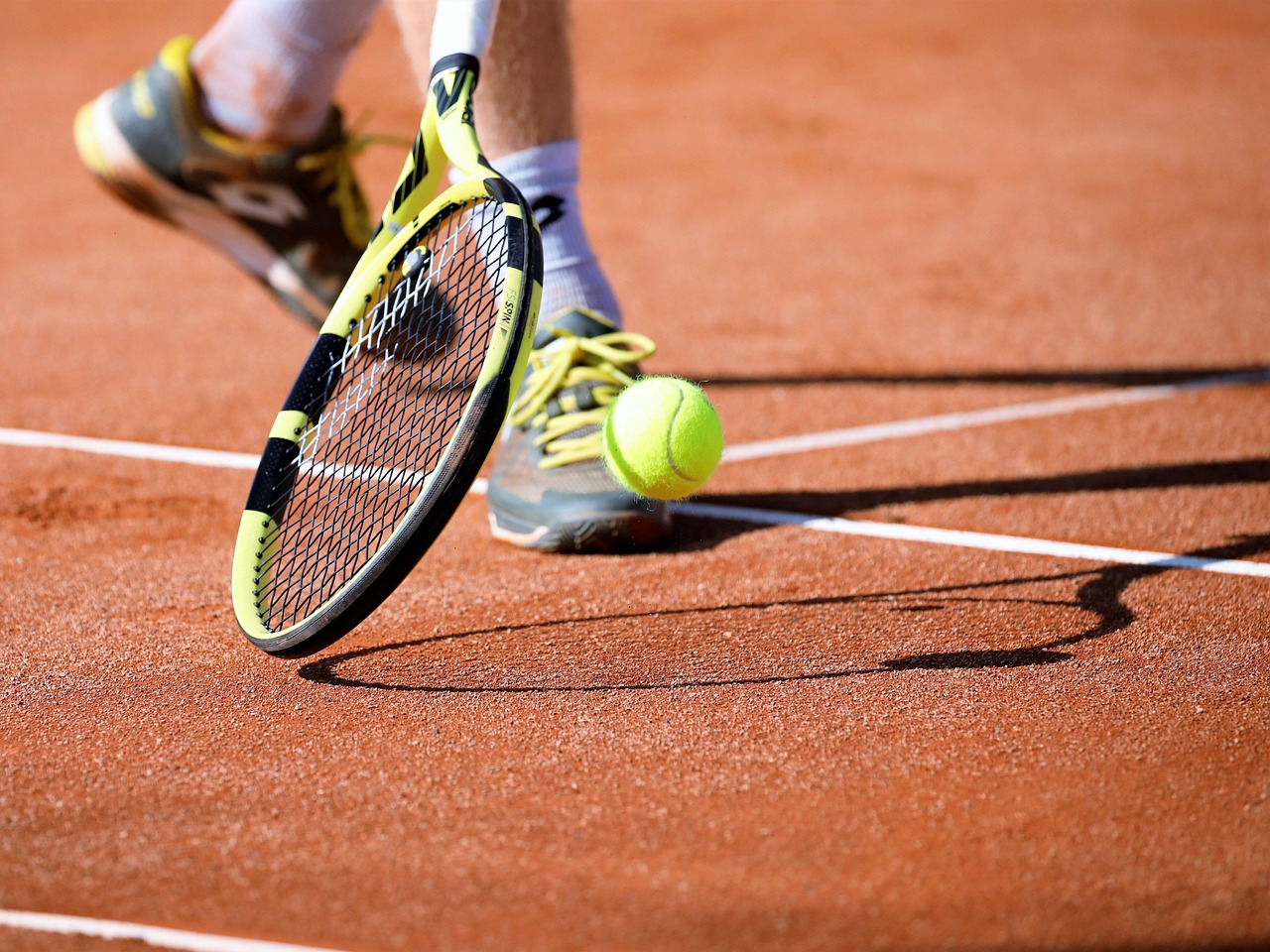
Choosing the right tennis training facility is crucial for players aiming to enhance their skills, both recreational and competitive. Locations can vary greatly, so it’s vital to identify what aspects are most important. First, assess the availability of courts, which can majorly impact practice times. Access to both indoor and outdoor facilities allows for year-round play, invaluable in varying weather conditions. Furthermore, explore the type of surfaces that the courts feature. Grass, clay, and hard courts each have unique benefits and challenges; selecting a surface that suits your style is essential. Another area to focus on is the ratio of courts to players. Facilities that offer adequate space ensure that training sessions proceed without excessive waiting times and interruptions. Availability of training aids or equipment should also be examined, as these can enhance the training experience. Additional amenities like restrooms, lounges, or pro shops may also play a part in your decision. Amenities increase comfort during long training days, making the environment more enjoyable and conducive to improvement.
Beyond just the physical attributes of tennis facilities, it is paramount to consider the coaching staff’s expertise and qualifications. Experienced coaches can significantly impact player development; assessing their credentials and coaching styles will provide valuable insights. Look for facilities that employ former professional players or coaches with a track record of successfully training athletes. Additionally, it’s beneficial to have a diverse coaching team that offers various training philosophies, ensuring that all players can find a coach suited to their unique learning styles. Paying attention to the facility’s coaching reputation within the community can also guide your selection process. Reading online reviews and testimonials from current and former players will further illuminate the coaching environment. Moreover, consider the coach-to-player ratio, which affects individual attention during training sessions. A lower ratio allows for more personalized instruction and feedback, ensuring players receive the guidance they need to improve. Additionally, check if the coaches keep updated with the latest training methodologies, equipment, and technology, which can provide an edge on the court.
Assessing Location and Accessibility
Location plays an integral role when selecting a tennis training facility. Ideally, it should be convenient not only to reach for everyday trainings but also for competitions. Consider the distance from home, school, or work; a facility that’s too far may discourage consistent attendance. Additionally, evaluate the traffic conditions during peak hours to judge how easily you can reach the venue. Ample parking space is another practical consideration; ensure that you won’t have to spend excessive time searching for a spot before practice. Public transport accessibility can also be significant, especially for younger players who might rely on rides from parents or guardians. Local tournaments and competitions should also be taken into account. A facility that regularly hosts events will offer more exposure to competitive play, which is beneficial for player growth. Lastly, analyze the surrounding area for additional recreational activities. Facilities near fitness centers, cafes, or parks can provide options for pre- or post-training activities, enriching the overall experience. A well-rounded venue boosts morale and makes attending sessions more enjoyable.
Another critical factor to assess within tennis training facilities is the program structure and offered training options. Each player has different goals, whether mastering fundamentals, improving serve efficiency, or preparing for tournaments. Therefore, the facility should provide a range of programs catering to various skill levels and goals. Group lessons, private sessions, or mixed formats allow players to select the best fit for their training needs. When evaluating programs, look for a facility that provides a clear curriculum outlining the objectives for each training package. Structured lessons minimize time wasted on unnecessary drills, maximizing efficiency and effectiveness. Inquire whether there are specific programs for different age groups or those that prioritize competitive training. Programs tailored for youth, adults, beginners, and advanced players can enhance the training experience by ensuring suitable competition and collaboration among peers. Furthermore, check if the facility organizes skill assessments or regular evaluations to track player progress. Regular feedback helps set new targets and keeps players motivated as they see their development over time.
Cost Considerations
The cost associated with training at a facility often plays a pivotal role in the decision-making process. Tennis training expenses can vary widely, depending on location, available services, and the facility’s overall prestige. Start by clearly determining your budget. Determine which training options best suit your financial situation without compromising quality. Facilities often offer different packages that may include group lessons, private sessions, or other tailored programs. Compare each facility’s pricing to see which options suit your needs best, particularly if budgeting extends to additional services such as court rentals or equipment. Don’t forget to investigate any hidden costs associated with memberships or lessons, as they can quickly add up. Evaluate if the facility allows for drop-in sessions versus committing to a membership; this could provide flexibility if uncertain about consistent attendance. Identifying payment plans or scholarships offered can also assist in managing costs. Communicating your budget constraints upfront may help facilities suggest tailored options that meet your needs without financial strain.
Evaluating reviews and testimonials from current players and their parents is equally important in the selection process. Feedback provides insights into other players’ experiences in training programs and coaching effectiveness. Look for platforms showcasing reviews where athletes openly share their opinions on their experiences with the facility. Online evaluation websites and social media often feature community feedback; these platforms can highlight strengths and weaknesses. Be receptive to both positive and negative experiences, as they offer crucial insights into the facility’s culture and training dynamics. Additionally, consider reaching out to past players to discuss their feelings regarding coaching, overall quality of instruction, and facilities. The environment created for players can greatly influence their growth and enjoyment of training, and a strong, positive culture often yields better outcomes. Keep an eye on patterns in feedback; if multiple participants note similar issues, it may indicate a cause for concern. Ultimately, the collective experiences can greatly guide you toward making a well-informed decision about which tennis facility to choose.
Final Thoughts on Selection
Finally, personal experience with a facility is invaluable in determining its suitability. Arranging a trial lesson or visiting the facility during practice sessions can provide insights that paperwork alone cannot. Engaging with coaches and observing training in action allows prospective players to gauge the atmosphere and determine comfort levels. Don’t hesitate to ask questions during visits; inquiring about training philosophies or facility operations can offer clarity. Maintaining clear communication with program directors or coaches can outline expectations, ensuring all needs are met. Additionally, consider how players interact with each other; a welcoming community creates a supportive environment essential for development. Ultimately, the right tennis training facility should align with players’ personal goals, ensuring they feel happy and motivated to engage in their training regularly. Remember, evaluating potential venues can seem daunting, but systematic exploration will lead you to a nurturing and effective training environment. Make an informed choice, and the right facility will provide not just skill enhancement, but also lifelong friendships on and off the court.