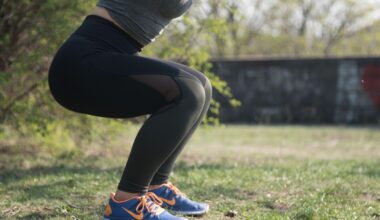

Immune System Recovery Tips After Intense Training
Recovering your immune system after intense training requires a holistic approach focused on nutrition, hydration, sleep, and stress management. Immediately after intense workouts, your body undergoes significant physiological stress that can temporarily weaken immune function. To combat this, prioritize post-exercise nutrition, incorporating a balance of carbohydrates and protein for optimal recovery. Foods high in antioxidants, such as berries, can help fight oxidative stress and promote a healthy immune response. Additionally, vitamin C-rich foods, like oranges and broccoli, are crucial in supporting immune health. Proper hydration cannot be overlooked; it is essential for nutrient transportation and recovery. Aim to drink plenty of water before, during, and after your training sessions. Furthermore, catching quality sleep provides the body with the time needed to repair itself and integrate the benefits of your workout. Stress management techniques like meditation or yoga can enhance recovery and immunity. It’s essential to listen to your body and avoid overtraining, which can lead to burnout and increase susceptibility to infections. This phase of recovery shouldn’t be underestimated, as taking care of your immune system will directly influence your training future.
Regular physical activity offers numerous health benefits, but it’s vital to remember that recovery is just as critical as the workout itself. Following intense training, consider incorporating active recovery strategies such as light walking or gentle cycling. These activities promote blood circulation, aid in muscle repair, and can enhance lymphatic drainage, helping to eliminate toxins from your body. Additionally, incorporating rest days into your training regimen is essential to allow your immune system to strengthen. This approach helps in reducing the likelihood of fatigue and illness. Supplements can also play a role in immune support. Consider discussing with a healthcare professional about options like probiotics, omega-3 fatty acids, and zinc. These nutrients are known to support immune function and overall health. Listening to your body signals is paramount; if you experience fatigue or illness, allow yourself adequate time to recover. Lastly, fostering social connections and engaging in supportive communities can also contribute positively to mental wellness, impacting your immune system. Exercise should promote strength and resilience in both body and spirit, ensuring a balanced and healthy lifestyle.
The Role of Nutrition
Nutrition plays a vital role in supporting the immune system after intense training sessions. Consuming a diverse range of nutrient-dense foods helps supply antioxidants, vitamins, and minerals essential for immune health. One key dietary focus post-workout should be on protein intake. Protein-rich foods, such as chicken, fish, legumes, and quinoa, support tissue repair and muscle recovery. In addition to protein, a variety of colorful vegetables should be included in your meals, as they are rich sources of essential nutrients. Foods high in vitamin D, like fatty fish or fortified products, can significantly support immune function. Be aware of your microbiome; incorporating fermented foods like yogurt or kefir may improve gut health, which is closely linked to immune response. Don’t forget healthy fats found in avocados, nuts, and seeds, which can reduce inflammation and promote overall health. Planning meals that include complex carbohydrates, such as brown rice and sweet potatoes, will fuel your energy needs as well. Therefore, aiming for wellness with a plate full of diverse nutrients can enhance recovery and strengthen your immune system after rigorous training.
In addition to nutrition, hydration is one of the most vital factors for immune recovery after intense training. Dehydration can impair exercise performance and recovery, negatively affecting how your body responds to stress. Ensure that you are hydrating adequately throughout the day, not just during workouts. Electrolyte balance is also crucial, especially after intense sessions; consider drinks that replenish lost electrolytes. This can include coconut water, homemade smoothies, and specific electrolyte solutions. Experimenting with hydration techniques during and after workouts can be effective in finding what works best for your body. Additionally, being mindful of fluid intake helps maintain blood volume, allowing for effective nutrient transport to muscles in recovery. Herbal teas can be beneficial; specific varieties, like ginger or turmeric, can offer anti-inflammatory benefits. Paying attention to thirst cues and staying proactive about fluid intake will help your body rebound more efficiently. It’s also important to consider not only liquid consumption but also water-rich foods in your diet. Fruits such as watermelon and cucumbers can enhance your fluid levels, enriching your recovery process.
Importance of Rest and Sleep
Rest and sleep are fundamental for recovery after intense training, significantly boosting your immune system. Striving for quality sleep should be part of your post-training strategy, as this is the time when your body performs most of its repair work. Disruption in sleep patterns can lead to decreased immune function, making you more susceptible to illnesses. Aim for 7 to 9 hours of sleep per night, and establish a calming bedtime routine to promote relaxation. Avoid screens and blue light before sleep, focusing instead on activities like reading or taking a warm bath. More importantly, allowing rest days in your training routine can help prevent overtraining fatigue, which directly impacts immune health. Engaging in activities such as stretching or meditative practices can also make rest periods more effective. Integrating mindful breathing exercises can enhance sleep quality and improve your overall well-being. By prioritizing both sleep and rest, you’ll optimize your body’s ability to repair itself and strengthen your immune system after challenging physical activity. Your overall performance will benefit from this dedicated focus on recovery, making you a more resilient athlete in the long run.
Stress management is another critical factor for immune system support that is often overlooked after intense training. Physical exertion can elevate cortisol levels, which is fine in moderation but can become detrimental when chronic. Incorporating stress-reducing practices into your routine can significantly elevate your recovery process. Techniques such as yoga, meditation, and deep breathing can help lower stress levels and support overall health. Engaging in hobbies or activities you enjoy can also serve as a distraction, promoting feelings of relaxation. Connecting with friends or family members creates a supportive environment that can further alleviate stress. Moreover, journaling your feelings or creative expression like art can guide you in processing emotions. Limiting exposure to stressful situations, even arranging your daily tasks to feel less overwhelmed, contributes positively to your mental health. Remember that mental balance is intrinsically linked to physical health. A thorough understanding that both mind and body need attention interlinks with your immune system’s ability to recover effectively. By implementing these strategies, you are taking a holistic approach to ensure your immune system receives the care it requires after rigorous training.
Building a Long-Term Recovery Strategy
Creating a long-term recovery strategy that incorporates immune system support after intense training takes a multifaceted approach. Start by monitoring your training load; understand your body’s responses to various intensities to identify what leads to better recovery times. Consider maintaining a training journal to track workouts, mood, and hunger cues. This data will help you correlate performance with recovery practices. Furthermore, integrating varied training modalities, such as resistance training, cardio, and flexibility work, can prevent overuse injuries and burnout. Aim to transition smoothly into higher intensity workouts after sufficient recovery while ensuring balanced nutrition and hydration supply. Consult a healthcare professional or nutritionist to design a personalized nutrition and recovery plan tailored to your specific goals and needs. Regularly reassess and update this strategy based on your progress and lifestyle changes. Remember, teamwork is essential; collaborating with coaches, nutritionists, and trainers enhances your understanding and approach to recovery. Fostering a strong recovery system will not only protect your immune system but will also prepare you for ongoing athletic success, ultimately allowing you to reach your full potential.
In summary, immune system recovery after intense training is multi-dimensional and requires a proactive, comprehensive approach. Focus on balanced nutrition, proper hydration, rest, stress management, and long-term planning to enhance your recovery process effectively. By adopting and integrating these strategies into your daily routine, you will not only support immune health but will also promote overall wellness. Adapting your lifestyle and considering the body’s needs during recovery will benefit your future training sessions and athletic performance. Always listen to your needs and give yourself the grace to recover fully. Continuous assessment of your training practices while being mindful of such aspects will lead to sustained improvements. Remember, the road to recovery should be treated with as much attention as your workouts to ensure effectiveness. Finally, surrounding yourself with supportive environments and engaging with the community may provide additional motivation and encouragement. Prioritizing your immune system’s health will allow you to minimize risks related to illness and enable a fulfilling training experience that yields long-lasting benefits. Implement these practices as you embark on your journey toward improved performance and well-being.