
Innovations in Biomechanical Monitoring for Injury Prevention
In recent years, innovations in biomechanics have advanced significantly, especially in the field of sports injury prevention. Athletes often operate at the limits of their physical capabilities, making injury a common concern. Biomechanical monitoring technologies provide valuable data by analyzing movement patterns and identifying potential risk factors for injuries. These technologies include wearable sensors, motion capture systems, and sophisticated software that interprets biomechanical data. Such tools enable coaches and trainers to monitor players closely, adjusting training regimes accordingly to minimize harm. By harnessing real-time data analytics, sport professionals can implement targeted interventions, ensuring that athletes perform at their best while reducing the incidence of injuries. Improved understanding of biomechanics leads to safer practices and improved performance. The integration of advanced algorithms and machine learning with biomechanical data also enhances predictive capabilities regarding potential injury risks. As this field continues to develop, it is expected that injury prevention strategies will become increasingly refined and personalized, ultimately leading to better long-term player health and enhanced athletic performance. Enhanced monitoring not only protects athletes but also elevates the overall quality of sports performance globally as a protective measure against injuries.
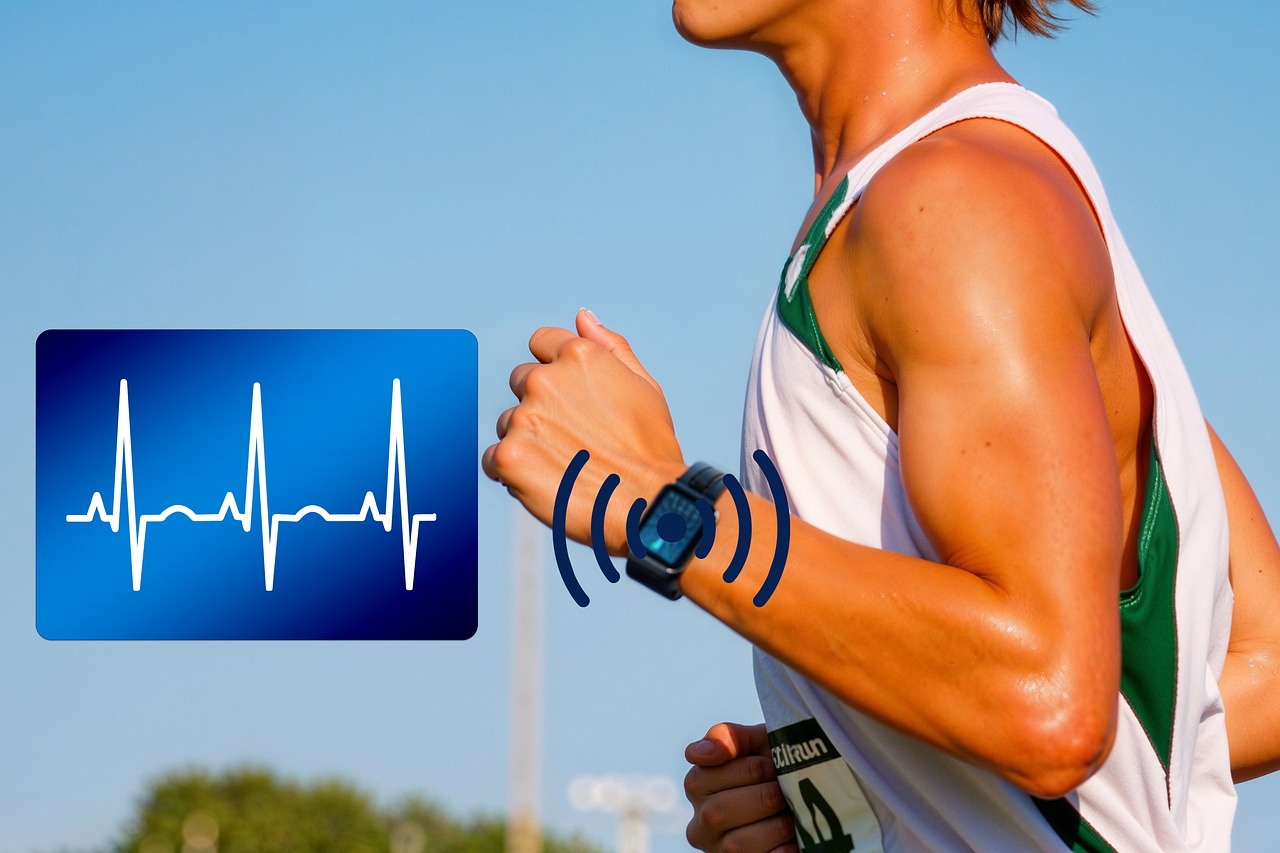
The specifics of biomechanical monitoring technologies greatly impact how injuries are prevented in the sports arena. Among the innovations, wearable devices have gained immense popularity due to their convenience and effectiveness. These devices include accelerometers and gyroscopes that measure various metrics such as force, speed, and acceleration during physical activities. The data collected helps recognize any biomechanical anomalies during practice or competition. This allows coaches and medical personnel to make informed decisions about training loads, ensuring athletes do not exceed their physical limits. Furthermore, data is invaluable in creating individualized training plans that cater to the unique needs of each athlete. Beyond wearables, video motion analysis has also improved monitoring capabilities by providing insights into an athlete’s posture and movement mechanics. Coaches can visualize the biomechanics using slow-motion techniques that capture precise angles and alignment. By seeking improvements in gait, technique, and body mechanics, athletes can elevate performance and reduce injury risks. Coaches equipped with these insights can fine-tune approaches to training and recovery, ultimately creating an environment that primes athletes for success while minimizing the likelihood of injury as they hone their skills.
Integration of Technology in Sports
As sports and technology evolve, the integration of biomechanics into traditional training regimens becomes increasingly vital. Athletes today demand high-performance techniques and strategies to gain an edge. Innovations in biomechanics provide coaches with essential insights that were previously unattainable. For example, integrating biomechanical data with GPS tracking helps to analyze athlete performance quantitatively. The combination of these modalities allows for a comprehensive assessment of movement efficiency and energy expenditure during training sessions and competitions. Enhancements in real-time feedback systems also ensure that athletes receive immediate corrections to their techniques while practicing. These advancements encourage habit formation and facilitate an understanding of how minor adjustments can lead to significant performance improvements. Furthermore, the integration of machine learning algorithms paves the way for predictive analytics, targeting injury prevention more specifically. By analyzing historical injury data, practitioners can model potential risks based on new input data, making their predictions more accurate. This data-driven approach revolutionizes injury prevention strategies, shifting the paradigm from reactive treatments to proactive measures that safeguard athletes’ health while optimizing their performance on the field.
Education and training on biomechanics are crucial for effective implementation. Coaches and fitness professionals must undergo continuous education on biomechanical principles and the latest technology in monitoring systems. This ensures they are adept at leveraging available tools while fostering a culture of safety among their athletes. Workshops and certification programs offer valuable insights and practical applications of biomechanical analysis. For example, physical therapists can use data from biomechanical assessments to develop rehabilitation programs tailored to individual athlete profiles. Such programs focus on correcting imbalances and addressing specific physical vulnerabilities highlighted during monitoring. Moreover, interdisciplinary collaborations among strength and conditioning coaches, athletic trainers, and biomechanics experts can create a holistic approach to sports performance. This collective effort not only enhances injury prevention rates but also promotes longevity in athletic careers. Athletes educated about their biomechanics foster a better understanding of their own bodies, enabling them to take preemptive steps against injuries. As awareness grows, so does the implementation of injury prevention strategies that benefit the athlete, coach, and sport as a whole, ultimately leading to a healthier sporting community.
Future Trends in Biomechanical Monitoring
The future of biomechanical monitoring in sports injury prevention is poised for further breakthroughs. Emerging technologies and research continuously enhance the understanding of biomechanics. Innovations such as artificial intelligence (AI) and augmented reality (AR) are likely to play a significant role in shaping future methodologies. For instance, AI can analyze vast datasets rapidly, identifying patterns that may escape human observation. Through machine learning, predictive models can refine individual risk assessments, allowing for more personalized training interventions. Additionally, AR could revolutionize coaching by overlaying biomechanical data on live action, providing immediate visual feedback during training sessions. These enhancements not only optimize athlete learning but also nurture an environment where injury prevention becomes part of routine training. Furthermore, as data privacy concerns continue to emerge, ensuring athlete data is protected becomes paramount. This will necessitate transparent data usage policies and secure technologies that allow athletes to control their information. The emphasis will likely shift towards ethical use of data while still harnessing its power for innovation, thereby ensuring that biomechanical monitoring evolves responsibly while supporting athlete performance and safety.
Collaboration between researchers, practitioners, and technology firms is crucial in pushing the boundaries of biomechanical monitoring. This collaborative approach not only aims to improve science but is dedicated to establishing best practices across various sports disciplines. Sharing knowledge and experiences can spur innovation and lead to the development of standardized protocols for biomechanical assessments and injury prevention. For instance, as new devices and applications enter the market, establishing guidelines will ensure consistency. Such data sharing enables continual learning and improvement, ensuring that practitioners maximize the potential of existing technologies. Furthermore, collaboration may lead participants to discover novel insights into injury mechanisms, ultimately benefiting athlete health. Athletes and teams adopting a team-oriented approach have encountered greater success in their injury prevention strategies. Interdisciplinary strategies allow for multifaceted analysis, expanding the reach of biomechanical monitoring to other areas, such as nutrition and psychology. As biomechanical monitoring evolves, the focus remains on the athlete’s holistic well-being, ensuring not only performance enhancement but also increased safety and longevity within the sport. Such collaborative efforts are crucial for realizing the full potential of biomechanics in sports today.
Conclusion
The advances in biomechanical monitoring technologies mark a significant shift in sports injury prevention strategies. By utilizing wearable devices, motion analysis, and data analytics, athletes can optimize their performance while safeguarding against injuries. As the sports industry embraces these innovations, the importance of education and interdisciplinary collaboration will only become more critical. Coaches, therapists, and trainers equipped with comprehensive biomechanical knowledge will effectively guide athletes toward achieving peak performance while minimizing injury risks. The progressive nature of this field, tapping into AI and AR, opens doors to predictive analytics and real-time feedback mechanisms, transforming how athletes train and compete. Together, a focus on ethical data handling and collaboration will ensure that these advancements are not only effective but also safe and responsible. The future of biomechanics in sports is undoubtedly exciting as it continues to thrive and evolve, showcasing remarkable potential for improving athletes’ safety and performance. Ultimately, an integrated approach to biomechanical monitoring will redefine standards in sports, paving the way for healthier, longer athletic careers and enhancing the enjoyment of sports for fans and players alike.
As the field of biomechanics advances, practitioners in sports will continuously adapt their approaches towards injury prevention strategies. Awareness and utilization of recent innovations will foster both safety and performance in athletic environments.