
Paddle Techniques to Increase Your Canoeing Speed
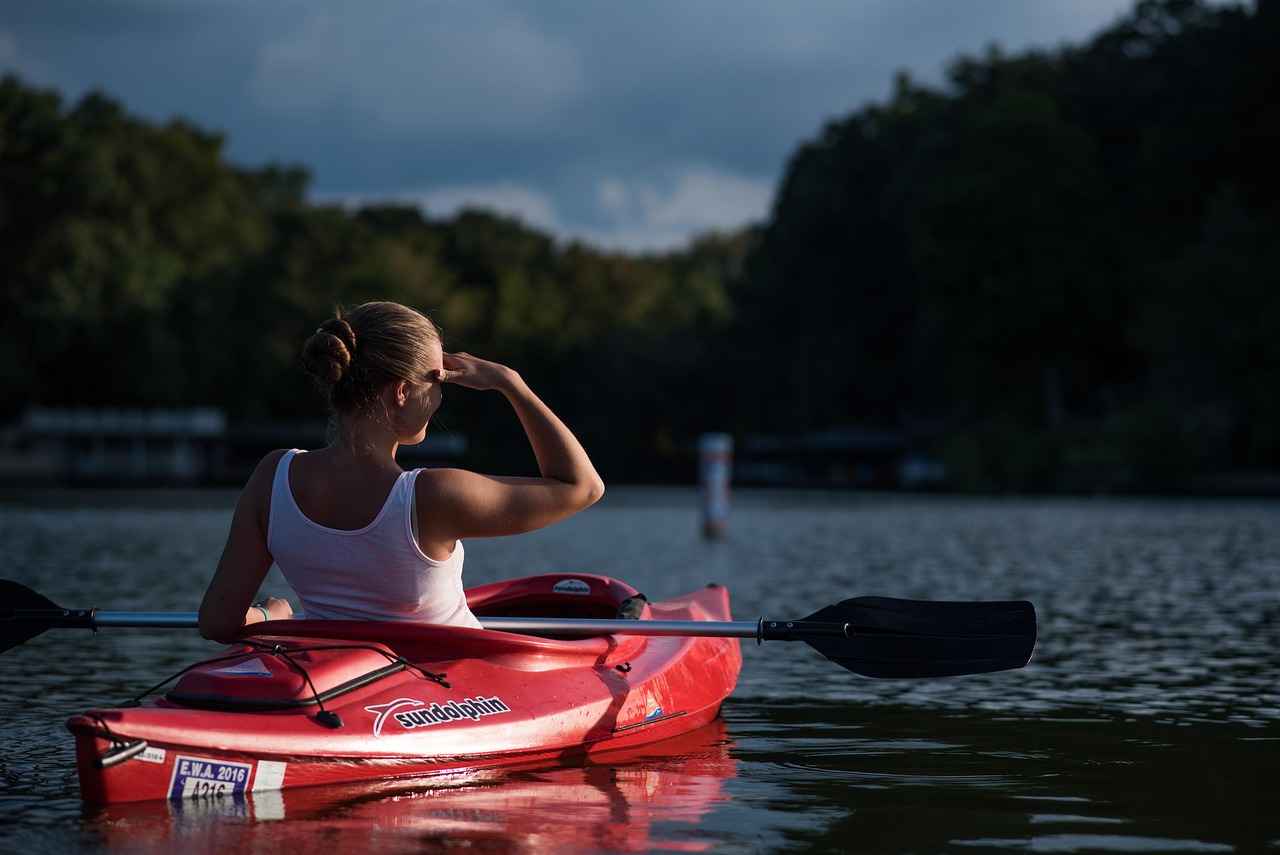
To enhance your speed while canoeing, mastering specific paddle techniques is crucial. One effective technique is the forward stroke, where you immerse the blade fully in the water and pull it straight back. This method harnesses the paddle’s power efficiently, driving the canoe ahead. Moreover, maintaining a steady rhythm aids in building up speed over time. Try to keep your strokes evenly spaced and timed with your breathing. Another essential point is body positioning. Sitting upright with a slight lean forward can significantly improve your overall paddling efficiency. Additionally, keeping your knees firm against the canoe’s hull provides stability and enhances your control. Do not underestimate the importance of the right equipment, either. Selecting a paddle that matches your height and arm length ensures better leverage. A lightweight canoe can also impact your speed—it helps reduce the energy required to propel it. Furthermore, using a double-bladed paddle is beneficial for speed on straight courses as it allows for quicker stroke alternation. Incorporating these techniques into your routine will undoubtedly make a difference in how fast you can navigate through water.
Optimizing Paddle Technique
Optimizing your paddle technique plays a significant role in maximizing speed while canoeing. For instance, the J-stroke is advantageous when maintaining a straight line. This technique involves turning your paddle outward at the completion of each stroke, creating a turning force that keeps the canoe moving forward. Practicing this technique enhances your directional control, minimizing the need for frequent corrective strokes that slow you down. Additionally, experimenting with different paddling styles enables you to discover what works best for your body mechanics. For longer distances, integrating a high, fast stroke increases momentum while reducing fatigue. Also, consider employing a power stroke, which involves a more vertical paddle entry and a stronger pull through the water. This technique channels energy more effectively, allowing you to cruise ahead effortlessly. It’s essential, however, to ensure your strokes remain consistent and not too forceful; this could lead to wasted energy. To further optimize your technique, consider recording your practice sessions. Observing your strokes can help identify areas for improvement, and enable you to fine-tune techniques accordingly.
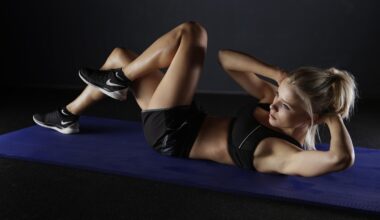
Proper usage of your core muscles can significantly influence your canoeing speed. Engaging your core stabilizes the canoe, allowing for a more powerful and controlled paddle stroke. Instead of relying solely on your arms, transfer some of that power from your core through your torso. The rotation of your hips engages the core effectively, which translates to generating more force with each stroke. Start by practicing torso rotation drills away from the water to get accustomed to this engagement. During these drills, imagine your lower body remaining still while your torso engages in a complete rotation, mimicking paddling actions. It may feel strange at first, but over time, this shift in focus will provide you with more strength during extended paddling sessions. Furthermore, ensure that your paddles are held properly; this includes placing your hands in the correct position. A common error includes gripping the paddle too tight, which can lead to fatigue. Instead, maintain a relaxed grip to enhance feel. As you develop this technique, your efficiency increases, allowing you to paddle longer distances without becoming fatigued.
Staying in Tune with Water Conditions
Understanding the water conditions can significantly affect your canoeing speed and performance. Factors like wind direction, water current, and wave activity all impact your speed. For instance, paddling upstream against a current requires more effort compared to paddling downstream, where the current aids your movement. Always assess water conditions before embarking on a canoeing trip; this preparation allows you to adapt your techniques accordingly. If you are faced with waves, adjusting your stroke and paddling angle can improve your maneuverability. In windy conditions, positioning your canoe slightly angled into the wind helps mitigate resistance. Learning to anticipate and read the water is a skill that can take time to develop, but it greatly increases your speed and overall enjoyment. Additionally, employ tech tools like wind meters or apps that track weather conditions for precise navigation. Match your techniques to the water type, as training in various environments cultivates adaptability. This experience is invaluable, allowing you to become a more proficient paddler who can navigate diverse terrains with greater ease, especially when speed is your goal.
Regular practice is essential for achieving mastery over canoeing techniques that enhance speed. Set aside specific times each week dedicated to paddling, focusing on implementing newly learned techniques during each session. Gradually increase your mileage and introduce different paddling drills into your routine to progressively improve your skills. Likewise, consider joining a canoeing group for shared experiences and motivation. Being part of a community allows you to learn from others and expands your understanding of speed techniques and strokes. Additionally, instructors can provide feedback and tweak your paddling style, which is essential for improvement. Seeking training sessions can offer personalized insights and propel your skills further. Also, it’s beneficial to participate in local canoeing events or competitions. These opportunities not only challenge your skills but also motivate you to enhance techniques under competitive pressure. Keeping a training log to document your progress can be extremely rewarding. Track your paddling times, distances, and techniques practiced. This approach helps you identify strengths and weaknesses over time while maximizing your efficiency during practice sessions, creating a clear pathway to increasing your canoeing speed.
Nutrition and Hydration
Engaging in any water sport, including canoeing, necessitates proper nutrition and hydration to maintain energy levels. Consuming a well-balanced diet, rich in carbohydrates, proteins, and healthy fats, is crucial for endurance. Prior to paddling, refuel with easily digestible meals that provide quick energy. Snacks such as energy bars, fruits, and nuts can sustain you during long canoeing sessions. Remember, hydration is equally important. Always keep a water bottle in your canoe to avoid dehydration. Dehydration can slow down your performance significantly and reduce overall stamina. It’s recommended to drink water at regular intervals. Beyond water, consider sports drinks during vigorous paddling sessions, as they provide electrolytes necessary for maintaining endurance. Plan your eating schedule ahead of time, especially for extended trips, to ensure you remain fueled throughout your journey. Additionally, learning about meal prepping can prevent you from falling into poor eating habits during paddling excursions. Implementing nutrition plans boosts not only physical energy but also mental clarity, enabling quicker decision-making on the water. Prioritize these aspects to achieve the best canoeing experience possible.
Finally, remember that technique refinement is an ongoing process. Continuously being open to learning and adapting ensures that you remain competitive in your canoeing endeavors. Whether you’re a novice or an experienced paddler, set personal goals to challenge yourself regularly. Train with various paddlers to gain new perspectives on speed techniques and always keep an eye on advancements in equipment technology. Participate in workshops or watch online tutorials to discover innovative strategies that you can implement. Feedback is crucial; be receptive to any constructive criticism and use it for improvement. Also, maintain your canoe and paddle equipment regularly. Consistent upkeep improves performance and prolongs the lifespan of your gear. Evaluate your equipment periodically and consider upgrading as necessary to meet your growing skill level. Visiting your local canoe shop for advice on the best equipment can be beneficial. As you embark on your journey to enhance canoeing speed, remember that patience, practice, and a positive attitude are keys to success. By integrating all these aspects methodically, you’ll inevitably become a proficient paddler, enjoying faster speeds in the great outdoors.
Learning paddle techniques to increase your canoeing speed is both an exciting and daunting challenge. The journey opens up new horizons, leading to efficiency, endurance, and speed improvement in your canoeing experience. Implementing these strategies will enrich your time spent on the water, enhancing both your skills and joy during expeditions.