
The Role of Electrolytes in Hydrating Foods for Sports
Electrolytes are crucial minerals that play significant roles in maintaining hydration levels during sports activities. They help regulate nerve function, muscle contractions, and acid-base balance in the body. The key electrolytes include sodium, potassium, magnesium, calcium, and chloride, all of which are vital for peak performance. Foods rich in electrolytes can prevent dehydration and promote optimal physical capabilities. Athletes often engage in rigorous training, leading to electrolyte loss through sweat. Consuming foods that restore these minerals can enhance stamina, efficiency, and recovery post-exercise. This emphasizes the importance of understanding how hydration strategies, particularly through diet, can revolutionize athletic performance. Here’s a breakdown of hydrating foods: watermelon, bananas, coconut water, oranges, and spinach. These options not only replenish fluids but also provide essential electrolytes, making them ideal for those involved in sports. It’s important to integrate these items into daily meals, ensuring that the body receives a steady supply of necessary nutrients for hydration.
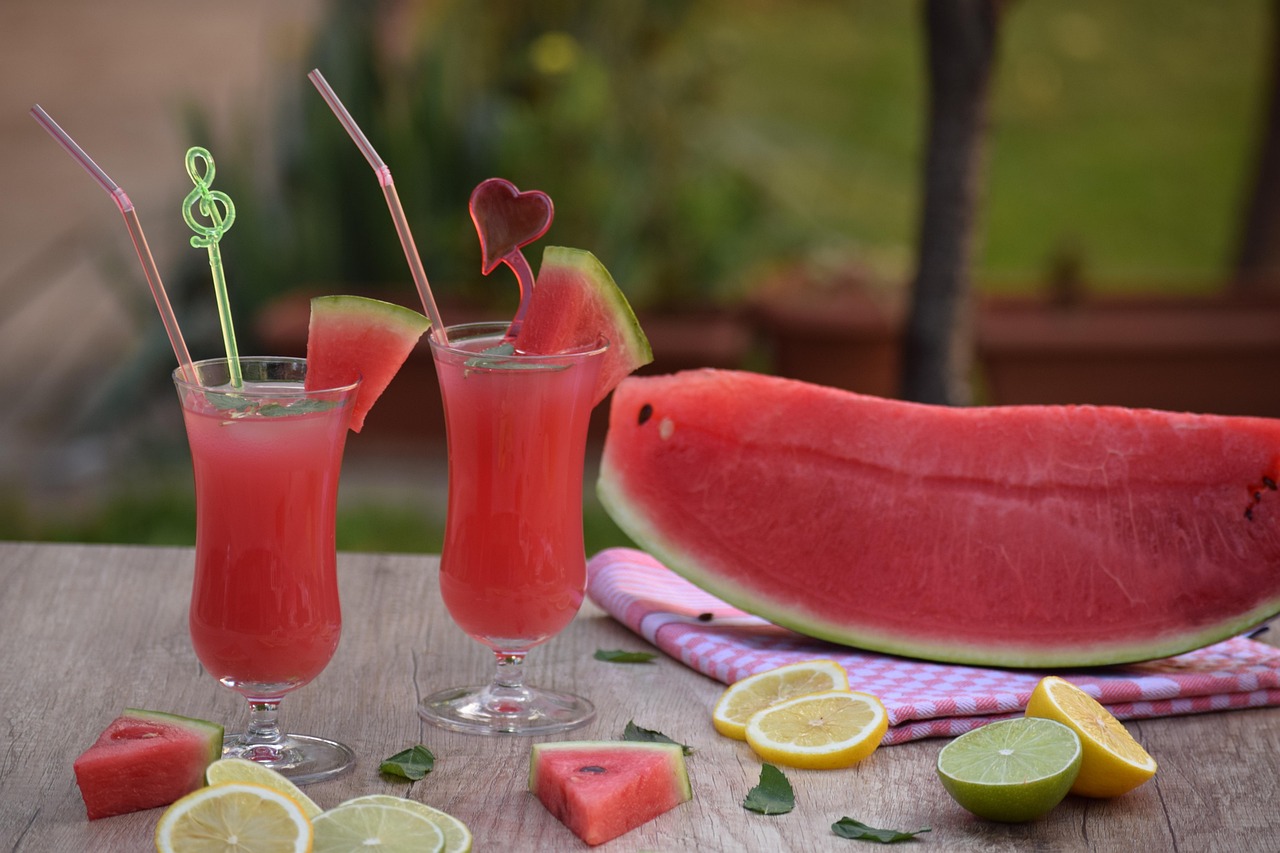
One of the best sources for replenishing electrolytes is coconut water. Naturally high in potassium, it serves as an effective hydrator for athletes. Coconut water contains fewer calories than traditional sports drinks. Additionally, it provides hydration without added sugars. Athletes can benefit significantly from incorporating this refreshing liquid into their diet. Another micro-nutrient rich food is watermelon. With its high water content, watermelon is an excellent hydrating option filled with vitamins and antioxidants. Those engaging in workouts may find this delicious fruit to be a great pre- or post-exercise snack. Bananas also top the list of foods that replenish electrolytes effectively. They are particularly rich in potassium, which is crucial for muscle function and preventing cramps during exertion. Accumulating a variety of these hydrating foods in a balanced diet assists in maintaining health. For individuals concerned about strenuous activities, opting for such options is wise. Hence, knowing these hydrating foods allows athletes to create effective nutrition plans while staying properly hydrated.
Benefits of Hydrating Foods for Athletes
Integrating hydrating foods into an athlete’s routine can considerably enhance performance and overall health. Hydration, when prioritized, supports energy levels, muscle control, and cognitive function. Enhanced performance in sports is often linked to adequate hydration; thus, athletes must maintain focus on their diets. Foods such as oranges, grapefruits, and strawberries are not only delicious but also packed with hydration benefits and important vitamins. These fruits help combat fatigue due to their fluid content and natural sugars. Moreover, consuming hydrating salads made with lettuce, cucumbers, and kale can increase the intake of essential nutrients while quenching thirst. Incorporating diverse hydrating foods ensures that athletes can also balance their diets, fueling their bodies adequately during intense periods of physical exertion. Furthermore, the added vitamins and minerals in these choices support the immune system, helping athletes stay healthy and reducing the chances of illness. Thus, fortified hydration strategies involving nutrient-rich foods work effectively for athletes striving for excellence in their respective sports as they optimize their diets for peak performance.
Protein also plays a significant role in hydration strategies. Foods high in protein, such as yogurt and legumes, can promote muscle recovery post-exercise. Quinoa, a complete protein, aids in hydration due to its amino acids content. Utilizing these foods can assist athletes in developing a balanced meal plan. Notably, hydration isn’t solely about water intake; it’s about consuming foods that contribute to fluid levels in the body. Plain water may not be sufficient for maintaining adequate hydration for athletes, especially during peak workloads. Additionally, during sustained exercise, carb-electrolyte gels can help optimize performance levels. This balance allows for comprehensive hydration strategies that support both water intake and nutrient intake. Maintaining a diet with quality meats, eggs, and other protein-rich foods contributes to overall health, thus enhancing performance. The real challenge lies in consistently maintaining this balance, which requires thoughtful meal planning. Hence, every athlete must recognize the vital link between hydration, electrolytes, and physical performance through these food choices.
How to Calculate Electrolyte Needs
Understanding one’s electrolyte needs can be vital for athletes who wish to perform at their peak levels. Several factors influence these needs, such as exercise intensity, duration, and individual sweat loss rates. A general guideline suggests that athletes should consume 300-600 mg of sodium per liter of fluid during extended physical activities. However, individual requirements can vary greatly based on several external conditions. One way to assess your hydration status is to monitor urine output and color. Pale yellow urine typically indicates adequate hydration, while dark urine suggests dehydration. To prevent electrolyte imbalances, athletes should regularly consume electrolyte-rich foods and drinks tailored to personal preferences. Timing and quantity of these foods surrounding workouts can also play critical roles in hydration. Moreover, planning meals ahead of time provides athletes with the ability to ensure their diets suit their performance schedules and hydration strategies. Start integrating knowledge about electrolyte requirements to ensure that physical activities are effective and manageable, leading ultimately to better athletic performances.
In addition to functional hydration and performance advantages, mental clarity may also improve through proper hydration strategies. Athletes often overlook the cognitive impacts of hydration on performance, which can be detrimental during competitions. Dehydration can lead to fatigue and diminished focus, thus affecting overall game execution. Consuming electrolyte-rich foods can support cognitive function, which significantly benefits athletes during crucial moments in competition. Foods rich in omega-3 fatty acids, such as walnuts and chia seeds, can further enhance cognitive performance while also contributing to overall health and hydration strategies. Awareness of one’s mental sharpness in conjunction with physical prowess is essential for athletes. Moreover, the psychological benefits associated with hydration shouldn’t be discounted either. Proper hydration can enhance mood, boost energy, and improve overall readiness. Therefore, a holistic view of hydration that includes electrolyte consumption not only optimizes physical performance but also contributes to better mental health. Athletes should actively seek strategies that address these aspects for improved outcomes both on and off the field.
Conclusion
The pivotal role of electrolytes in hydrating foods emphasizes their necessity for athletes striving for excellence. Incorporating a variety of hydrating foods into their diets provides not only hydration but also essential nutrients. By focusing on fruits like watermelon and bananas as well as foods like yogurt and legumes, athletes can enhance performance significantly. This article highlights the intricate relationship between diet, hydration, and performance and underscores how understanding electrolyte needs optimizes athletic efficacy. Additionally, using hydration strategies focusing on various foods establishes a foundation for consistent performance while preventing dehydration. Recognizing individual hydration requirements allows athletes to thrive, maintaining both cognitive and physical strengths under pressure. Elevating attention to dietary choices ensures athletes gain the most from their training routines. Ultimately, embracing these hydration strategies promotes better long-term health. Thus, developing hydration habits filled with nutritious food options paves the way for better athletic outcomes as athletes refine their craft and continue to excel in their respective sports. They can also educate peers on the importance of maintaining a balanced intake of hydrating foods in their daily routines.
As athletes strive to improve their performance, understanding the role of electrolytes through hydrating foods becomes increasingly crucial.