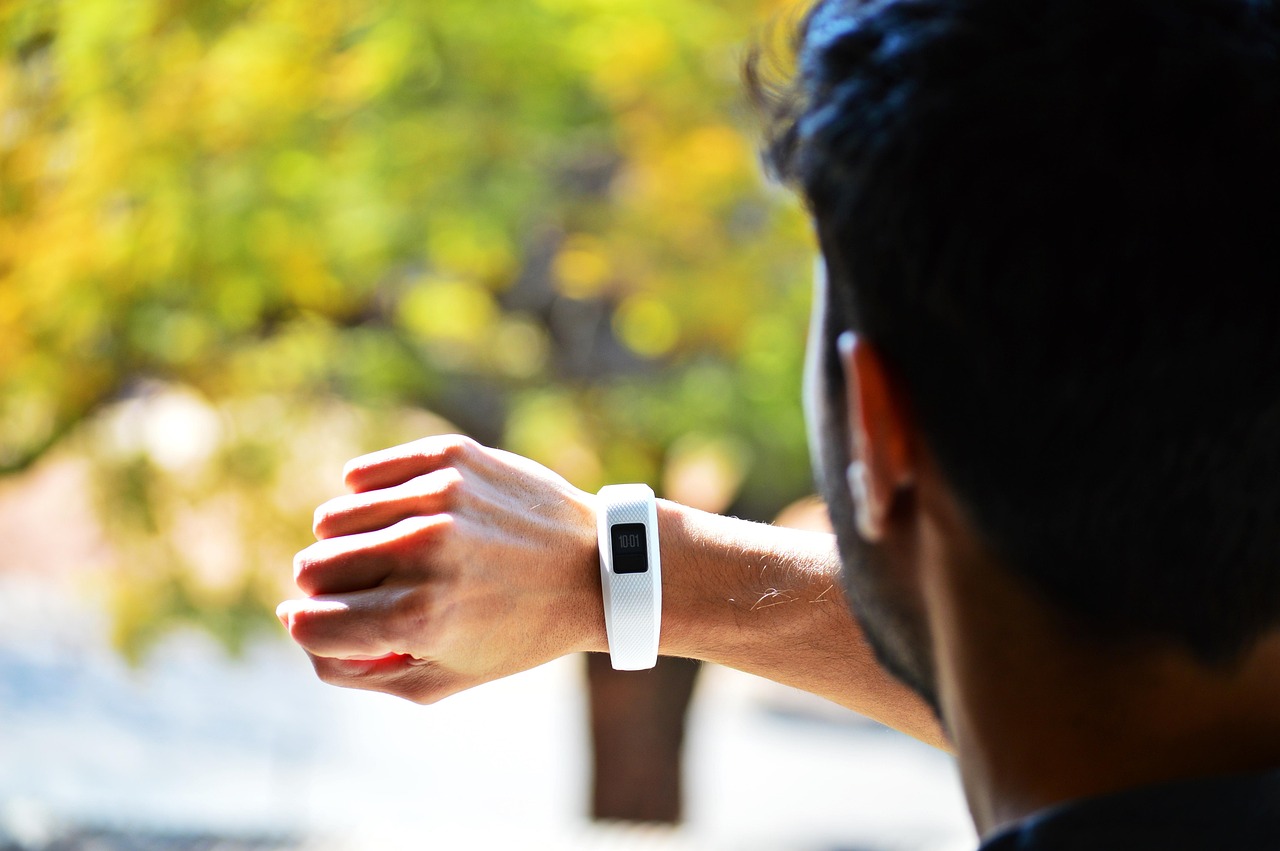

Real-Time Monitoring: Enhancing Coaching with Fitness Data
In the realm of sports, real-time monitoring is transforming how athletes train and perform. By collecting data via various wearable devices, coaches can now access real-time insights into their players’ fitness levels, allowing them to tailor training programs accordingly. This data-driven approach not only enhances athletic performance but also helps in injury prevention. Coaches can monitor heart rates, distances covered, and overall exertion levels during training sessions or matches. Integrating this technology into coaching provides athletes with a customized training regimen that fits their fitness levels, goals, and needs. Moreover, real-time monitoring fosters better communication between coaches and players. With instant feedback from fitness tracking devices, athletes can make necessary adjustments to their training while receiving guidance from their coaches. This also builds trust and confidence within the team, fostering a positive environment that can lead to better performance during competitions. The advent of analytics in sports allows coaches to analyze performance trends over time, further refining training strategies for individual athletes. Ultimately, real-time monitoring bridges the gap between technology and training, establishing a new era in sports analytics and coaching methodology.
The Role of Wearables in Sports Analytics
Wearable technology plays a pivotal role in revolutionizing coaching strategies through precise fitness tracking. Athletes frequently utilize devices such as heart rate monitors, GPS trackers, and smartwatches to gather actionable data during training and competition. These devices track a multitude of metrics, including speed, stamina, recovery times, and fatigue levels, which can all be vital for performance enhancement. By analyzing this data, coaches can identify patterns and pinpoint areas requiring improvement or potential adjustments in training plans. Furthermore, coaching staff can monitor an athlete’s biomechanical performance, which assists in injury prevention and management. For example, analyzing a runner’s gait with a wearable can pinpoint inefficiencies and suggest modifications, potentially leading to improved performance and reduced injury risk. With this technology at hand, coaches can efficiently evaluate long-term development and even customize team strategies based on individual requirements. This data-centric approach empowers coaches to make informed decisions and adjustments swiftly, ensuring athletes are always at their peak physical condition. Consequently, wearables are changing the landscape of sports analytics, making performance tracking more accurate, dynamic, and beneficial for athletes of all levels.
Pushing the boundaries of fitness tracking opens new possibilities in sports coaching. Utilizing data from fitness trackers allows coaches to create detailed profiles for each athlete, ultimately leading to personalized coaching experiences. By understanding precise metrics, coaches can devise specific training regimens that cater to the individual’s strengths and weaknesses. For instance, an athlete showcasing excellent endurance but poor speed can be given tailored exercises to improve their sprinting capability. Additionally, technology supports injury recovery by monitoring vital stats post-injury. Coaches can analyze whether an athlete’s stats return to baseline levels before allowing them to participate fully in training or competition. Moreover, fitness trackers ensure athletes adhere to their training programs, as they can be reminded and motivated through feedback notifications. This accountability encourages athletes to remain disciplined. Another notable aspect of real-time monitoring is the ability to track mental well-being via stress levels and sleep patterns, linking mental health directly to performance. With all these comprehensive insights, coaches can fine-tune their approaches, leading to a more informed coaching protocol. Overall, advanced fitness tracking technologies are propelling sports analytics into a new dimension, reshaping coaching methodologies across various levels of competition.
Data analysis, combined with real-time tracking, supports critical decision-making for sports teams. The demand for immediate feedback on player performance can significantly impact the outcome of games and competitions. Instant data regarding athlete fatigue or exertion levels can assist coaches in making substitutions at the right moments, ensuring peak performance on the field. For instance, if a player reaches their exertion threshold earlier than anticipated, coaches can strategically adjust their roles within the game or choose to substitute them to maintain overall team efficiency. Moreover, injuries often occur because of fatigue, so precise monitoring allows for timely interventions. Coaches have the ability to create a comfortable balance between pushing athletes and preventing excessive strain. The predictive capabilities of data can also shape in-game strategies, providing insights into opponents’ play patterns by analyzing their performance metrics. Such information allows coaches to develop adaptive tactics throughout a match. Consequently, sports teams can maximize their chances of victory by integrating real-time data into their coaching strategies. The congruence of analytics and coaching creates a cycle of continuous improvement. Coaches have begun embracing technology as an essential partner in their strategy formulation and execution.
Another critical advantage of real-time monitoring technology is the ability to track and enhance athlete recovery processes. Recovery is fundamental to athletic performance, and coaches must prioritize this aspect of training. By utilizing fitness tracking data, coaches can monitor recovery times and devise optimal recovery strategies tailored to each athlete’s needs. Factors such as sleep quality, heart rate variability, and muscle soreness can be measured real-time, allowing for immediate adjustments in training intensity. For instance, if an athlete shows signs of fatigue, coaches can incorporate lighter training sessions or active recovery activities into their schedules. Additionally, real-time data enables coaches to gauge whether athletes are completing their recovery protocols effectively. This can include hydration levels, nutrition intake, and readiness to train. Timely intervention during recovery periods can prevent injuries and ensure athletes return to full capacity quicker. Furthermore, fostering a culture of recovery within teams promotes overall well-being and longevity in sports. Coaches who understand their athletes’ recovery needs are likely to see improved long-term performance, extending athletes’ careers. Real-time monitoring therefore supports a holistic approach to athletic performance management.
The integration of sports analytics into training frameworks is crucial for today’s competitive landscape. Coaches are increasingly realizing that data is not just supplementary; it is fundamental for developing winning strategies. By leveraging detailed analytics, they can strengthen their understanding of athletes, making informed choices that are evidence-based rather than relying solely on intuition. Armed with this knowledge, coaches can avoid one-size-fits-all training approaches and instead focus on individualized programs that work best for each athlete. This further enhances performance and fosters athletes’ psychological well-being. Trust in the coaching staff and their methodologies often increases when athletes observe improvements based on data-driven strategies. Moreover, the evolution of analytics also promotes collaboration amongst coaching staff. When everyone on the team has access to the same data, they can strategize together, creating a more cohesive approach towards team objectives. This collaborative environment can inspire innovative training techniques catered to current trends in sports performance analytics. Overall, the transformation fueled by sports analytics reshapes the competitive arena, ensuring athletes and teams push the limits of their abilities. The synergy between technology and coaching forms a solid foundation for future advancements in athletic training.
In summary, real-time monitoring and fitness tracking have become essential components of modern sports coaching. This advancement facilitates a thorough understanding of athletes’ physical states, enabling coaches to customize training sessions and improve overall team performance. The precise metrics provided by wearables allow for ongoing adjustments, ensuring athletes optimize their capabilities while minimizing injury risks. Moreover, the increased availability of data empowers coaches to make informed decisions, enhancing motivation and accountability among athletes. As the sports analytics landscape continues to evolve, embracing these technologies becomes imperative for coaches who want to stay ahead of the curve. They provide valuable insights that traditional methods simply cannot offer. Thus, investment in real-time monitoring technologies can lead to a significant competitive edge. As coaches adopt these tools, they also align with the future of sports – one where analytics, data interpretation, and technology will play central roles. Consequently, the evolution of sports training methodologies driven by fitness tracking technologies signifies a transformative shift in coaching practices, emphasizing the union of data with athletic performance. The future of sports coaching is undeniably intertwined with the rise of real-time monitoring and analytical insights.
The integration of sports analytics into training frameworks is crucial for today’s competitive landscape. Coaches are increasingly realizing that data is not just supplementary; it is fundamental for developing winning strategies. By leveraging detailed analytics, they can strengthen their understanding of athletes, making informed choices that are evidence-based rather than relying solely on intuition. Armed with this knowledge, coaches can avoid one-size-fits-all training approaches and instead focus on individualized programs that work best for each athlete. This further enhances performance and fosters athletes’ psychological well-being. Trust in the coaching staff and their methodologies often increases when athletes observe improvements based on data-driven strategies. Additionally, the evolution of analytics promotes collaboration among coaching staff. When everyone on the team has access to the same data, they can strategize together, creating a cohesive approach towards team objectives. This collaborative environment can inspire innovative training techniques, particularly catered to current trends in sports performance analytics. Overall, the transformation fueled by sports analytics reshapes the competitive arena, ensuring athletes and teams push the limits of their abilities, thereby propelling their performance towards unprecedented heights.