
Training for Parkour in Mountainous Areas
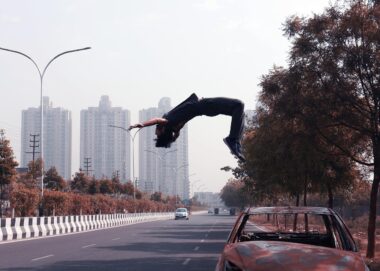
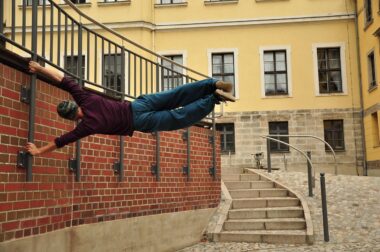
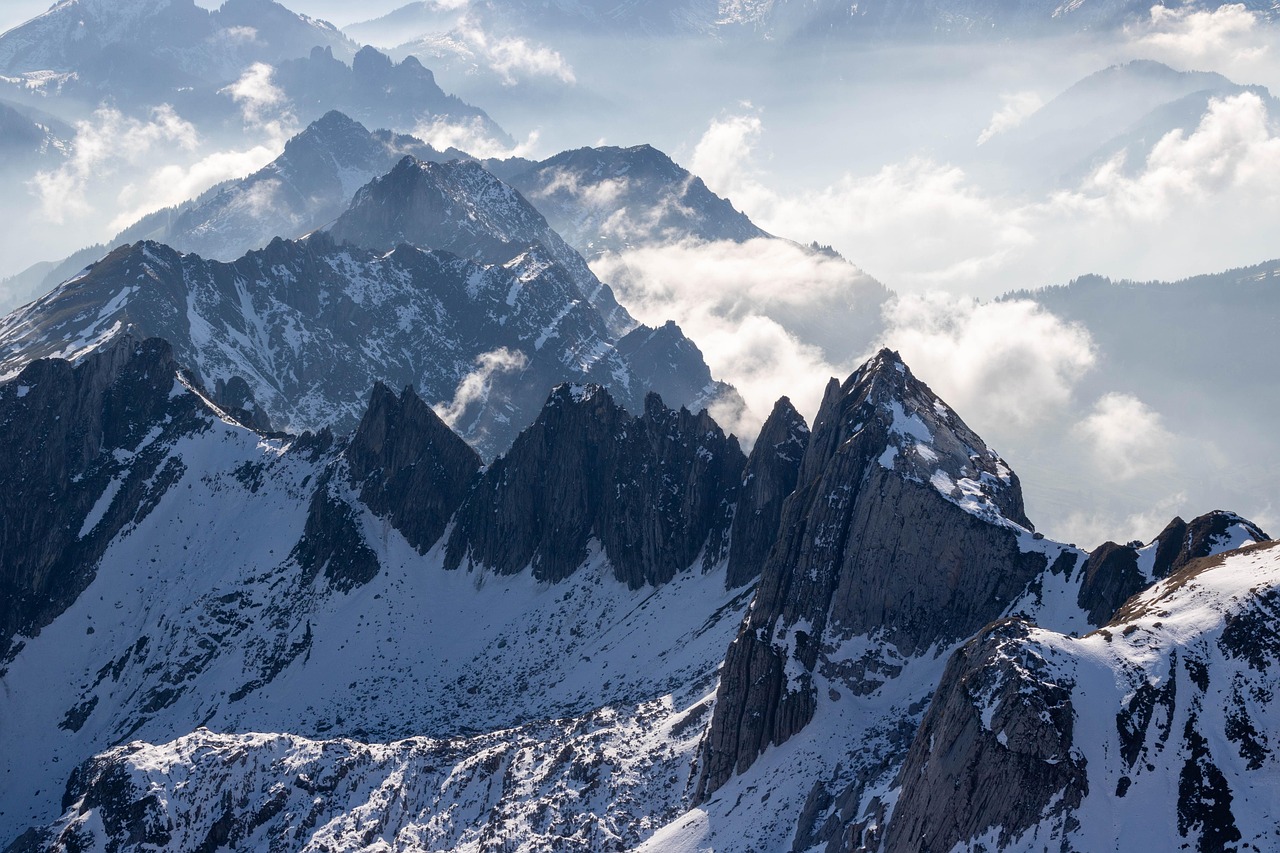
Parkour, originally developed as a method of moving efficiently in urban environments, can be adapted effectively to mountainous terrains. The training to hone parkour skills in these challenging settings offers unique opportunities and difficulties for practitioners. First, the natural obstacles found in mountainous areas can significantly enhance skill development. These obstacles include steep slopes, varying elevations, and rocky surfaces, which require practitioners to adopt new techniques and refine their approach. To succeed, one must learn to navigate these surfaces, focusing on agility, balance, and spatial awareness. Additionally, training in a mountainous environment can improve muscle strength and endurance, as hills and uneven terrain demand more from the body. Furthermore, the breathtaking views and fresh air can invigorate the mind and spirit of any parkour enthusiast. When preparing for this type of training, it’s essential to equip oneself properly. Wearing appropriate footwear for grip and support can prevent injuries. Seek out suitable spots to train, ensuring they allow safe practice while maximizing exposure to diverse mountain features. Over time, with dedication and persistence, athletes can master parkour techniques applicable to complex and beautiful mountainous landscapes.
Practicing parkour in mountainous settings not only requires physical strength but also mental fortitude. It’s important to learn intelligent risk assessment to enjoy parkour while minimizing injury. Developing this skill begins with understanding the environment. Familiarize yourself with various surfaces like rocks, gravel, and dirt trails, and how they affect your movements. Start slow, performing basic movements like jumping or rolling on less challenging slopes. Gradually increase the complexity of your drills, incorporating elements like vaults and wall runs, as you build confidence. Steadiness is achieved through careful observation and adjustment. Moreover, incorporating safety measures is crucial in any parkour training regimen. Always wear a **helmet** and consider protective gear such as knee pads and wrist guards. It’s also wise to train with a partner or coach, ensuring you have someone to spot you during challenging maneuvers. Practicing in a controlled setting before attempting more complex skills will minimize the risk of accidents. Lastly, always warm up effectively to prepare your body for the physical demands placed on it by parkour. This will not only enhance your performance but also help prevent injuries.
Essential Techniques for Mountainous Parkour
Several fundamental techniques are particularly valuable for parkour practice in mountainous areas. First is the ability to roll effectively; rolling distributes the force of landing across the body. This is crucial when transitioning from jumps on uneven or steep surfaces. Learning proper rolling technique not only aids in safety but enables smoother landings when navigating drops and ledges. Next is precision jumping, whereby focus should be given to the placement of each jump to ensure landing on solid, stable ground. Moreover, developing agility in changing directions swiftly is vital as mountainous terrains often present unpredictable obstacles. This can be achieved through various drills and agility ladder exercises, focusing on both speed and coordination. Another essential technique is the use of grip strength, important when climbing rocky surfaces or making use of vertical elements during training. Regularly incorporating strength and conditioning workouts into your training can enhance muscle endurance significantly, equipping you to handle the challenges that come with parkour. Moreover, emphasize on functional movements that engage both lower and upper body strength. Balance, too, plays a crucial role in mountainous environments where stability is paramount.
As you train in mountain areas, consider the added challenges posed by elevation and altitude. Training at higher altitudes impacts the body differently than at sea level, often presenting difficulties in respiratory function and endurance. Therefore, it’s advisable to gradually adapt and acclimatize your body to these conditions to optimize performance and adapt effectively to changing environments. Ensure you’re staying hydrated throughout your training sessions. Always carry plenty of water, as mountainous environments can leave you susceptible to dehydration. Your body loses fluids faster at higher altitudes, emphasizing the need for proper hydration strategies. It’s also imperative to familiarize yourself with the local flora and fauna. Understanding the animals and plants in your training area can ensure safety. Some plants may be allergenic while certain animals might pose a risk. Employing a comprehensive approach will help enhance your parkour training while keeping feelings of exploration constant. Moreover, don’t forget to embrace the beauty of nature during your training. Mountainous terrains are cherished for their scenic views, allowing you to explore while connecting with your environment as you build skills.
Mental Preparation and Goal Setting
Mental preparation, particularly in parkour, is equally vital, especially when practicing in challenging mountainous terrains. Begin with setting realistic and attainable goals tailored to your specific skills. These can range from mastering a specific technique to completing an obstacle course designed by nature itself. Write these goals down and regularly assess your progress to stay motivated. This also helps in keeping a clear mind, focused on achieving your objectives. Visualization techniques can also be beneficial, where you mentally map out each movement before physically performing them. This mental rehearsal can mitigate anxiety and boost confidence when faced with daunting challenges. Additionally, develop a positive mindset and resilience by focusing on personal growth rather than comparing yourself with others. Embrace failures as learning opportunities essential for improvement. Moreover, utilize time spent in nature as a form of mental relaxation, allowing yourself to recharge and clear your mind. This downtime can enhance your creativity in problem-solving during your parkour practice. Engaging with the local parkour community can also provide encouragement, feedback, and an opportunity to share techniques discovered while navigating the unique challenges present in mountainous areas.
Moreover, safety measures play a crucial role in parkour training in mountainous regions. Knowing the risks inherent to this outdoor adventure sport is essential for proper practice. When exploring unfamiliar areas, take the time to assess the risks presented by terrain features like cliffs, loose rocks, and steep grades. Always prioritize your safety by choosing suitable locations for training. Scouting potential sites for obstructions or hazards can significantly mitigate injury risks. Additionally, it’s wise to inform someone about your training destination and appointment. Should an accident occur, having a communication plan in place can be lifesaving. It’s also prudent to invest in local knowledge by connecting with experienced practitioners who can advise on safe spots and techniques. Joining a workshop or local meetup provides opportunities to learn from others, sharing the challenges unique to mountainous parkour. Furthermore, consider bringing a first-aid kit to handle minor injuries. Basic items should include bandages, antiseptic wipes, and blister plasters. Having these supplies on hand facilitates quick attention to injuries, ensuring a safe and enjoyable practice. Ultimately, understanding these safety measures is fundamental to your journey as a parkour athlete.
Conclusion: Embracing the Challenge
In conclusion, participating in parkour activities within mountainous environments promotes physical fitness and reinforces mental strength and adaptability. Every element of training through these terrains enhances your skills uniquely while fostering a deeper connection with nature’s beauty. Adapting techniques essential for unique feeling terrain and providing tangible challenges will yield substantial growth in your parkour journey. It’s exciting to step beyond the urban settings into the wild, experiencing diverse obstacles. The sensation of free movement soaring through nature is exhilarating and liberating. By joining other enthusiasts committed to the same objectives, an open exchange of techniques further increases your learning experience. Don’t forget to encourage one another. Embrace the failure collectively; it offers golden opportunities for growth that sometimes lead to spontaneous creativity. Regular engagement with parks and wild terrains is essential, as this encourages personal sustainability. Your ongoing commitment to training and exploring these natural spaces creates lasting benefits for both your mental and physical well-being. Truly, the reward of mastering parkour skills in magnificent mountainous settings is unmatched, intertwining physical pursuits, ambitions, and appreciation for the beauty of nature seamlessly.
Developing a parkour skill set within mountains enhances core strength, agility, and perspective, ultimately refining your approach to the sport!