
Innovative Hydration Technologies for Endurance Sports
Hydration plays a pivotal role in enhancing performance during endurance sports. As athletes push their limits, they lose significant amounts of water and essential electrolytes. Therefore, the adoption of advanced hydration technologies has become critical. Modern hydration solutions aim to optimize fluid intake while ensuring electrolyte balance. Smart water bottles equipped with sensors can track hydration levels and remind athletes to hydrate at optimal intervals. These intelligent systems utilize data gathered to tailor hydration strategies based on unique sweat rates and environmental conditions. Moreover, electrolyte-infused gels offer a portable way to maintain hydration during races. Such gels contain sodium, potassium, and magnesium for replenishing lost nutrients. Hydration packs designed specifically for runners and cyclists facilitate easy access to fluids while on the move. These packs distribute weight evenly, enhancing comfort and minimizing fatigue. Ultimately, incorporating innovative hydration strategies can make a significant difference in endurance performance, ensuring athletes remain hydrated and energized throughout their activities. While traditional methods have been effective, technological advancements present exciting opportunities to redefine hydration practices in endurance sports.
One significant innovation in hydration technology is the development of electrolyte drinks tailored for different performance needs. Traditional sports drinks often contain high levels of sugar, which may lead to gastrointestinal distress during prolonged efforts. New formulations are designed with precise carbohydrate and electrolyte ratios, providing just what athletes require for optimal hydration without negative side effects. Additionally, these fluids promote faster absorption thanks to advanced formulations that capitalize on osmolarity principles. Wearable hydration monitors are also emerging as game-changers. These devices can be connected to mobile applications that analyze an athlete’s hydration status in real-time. Such technology can suggest fluid intake based on physical exertion, weather conditions, and personal hydration history. For those who participate in ultra-endurance events, automatic delivery systems, like hydration delivery devices, come into play. These systems administer measured portions of fluids at crucial intervals, ensuring consistent hydration throughout the endeavor. As research continues to unfold, athletes will benefit from increasingly sophisticated hydration solutions tailored to their needs. The future of hydration in endurance sports holds immense promise as athletes continue to explore their limits while remaining well-hydrated.
Customized Hydration Plans
Creating personalized hydration plans based on individual sweat rates and environmental influences is another exciting trend in sports hydration. Athletes vary greatly in their fluid loss, making one-size-fits-all recommendations often ineffective. Many new hydration products now take into account individual factors—such as body weight, sweat composition, and workout intensity—to create customized hydration protocols. By employing various tools and technologies, such as sweat patches, athletes can measure their sodium loss and adjust their electrolyte replenishment accordingly. This method enhances performance by preventing dehydration and hyperhydration, both of which can impair athletic output. Furthermore, technological innovations foster a more scientific approach to hydration in competitive sports, integrating hydration tracking into athletes’ training regimens. Data obtained through continuous monitoring via smart devices allows athletes to better understand their body’s reactions to different hydration methods. Consequently, they can fine-tune their approach during training and competition, achieving peak performance. In a sport environment where every second matters, individualized hydration plans will undoubtedly play a vital role in the quest for excellence.
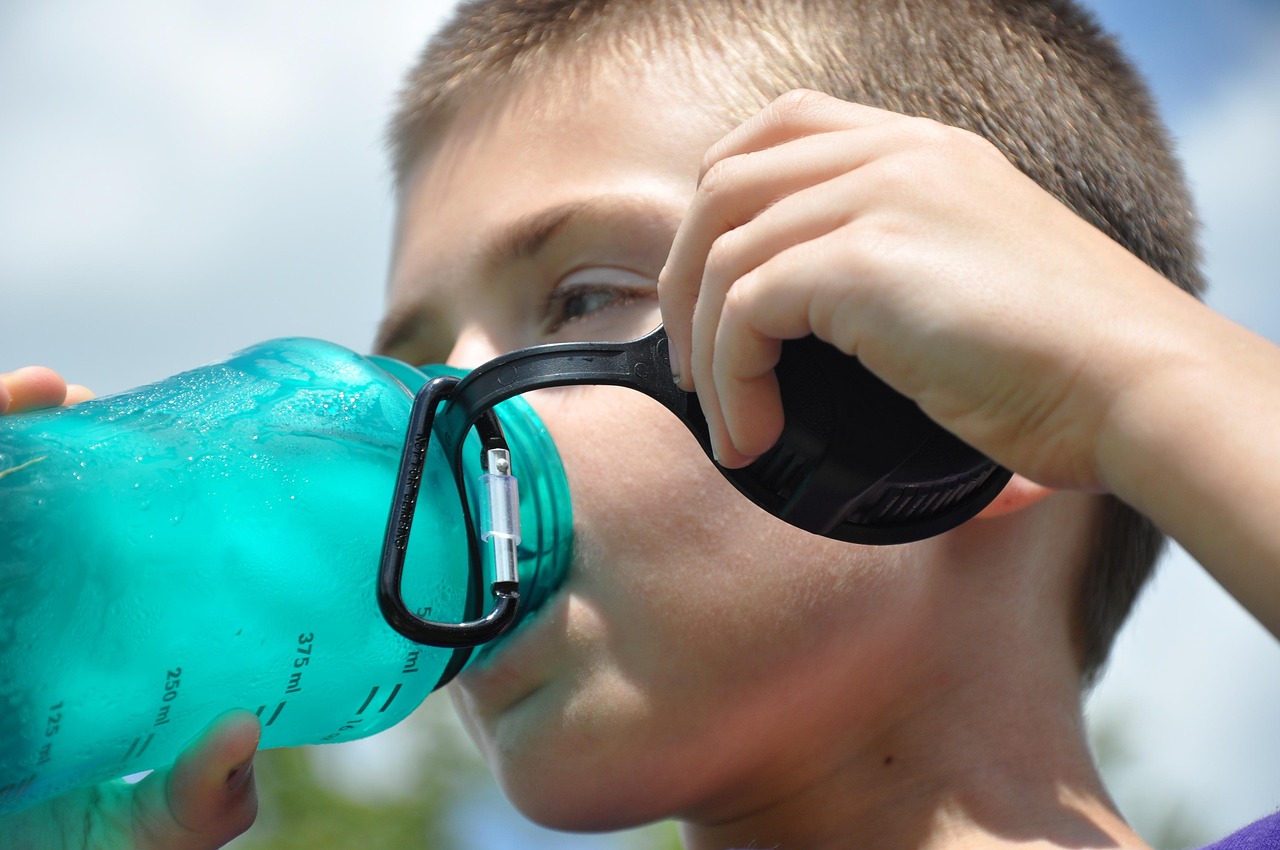
Innovative packaging solutions for hydration products are also on the rise. The design of sustainable, lightweight containers helps ensure that athletes have easy access to hydration while reducing environmental impact. Companies are shifting toward biodegradable materials that minimize single-use plastic waste. Additionally, innovative designs feature built-in filtration systems, ensuring that drinking water can be purified and made safe in emergency situations while on the go. Reusable hydration vessels with advanced thermoregulation keep drinks at ideal temperatures for extended periods. This feature is especially beneficial during long outdoor events, where ambient temperatures can fluctuate significantly. Athletes can stay refreshed longer when their drinks are served at the desired temperature. Furthermore, some hydration systems incorporate built-in compartments for customizable flavoring infusions, allowing athletes to tailor their hydration experience. This personalization encourages fluid intake, which is crucial for staying hydrated during extended or intense activities. As these innovative packaging concepts gain popularity, they not only promote better hydration strategies but also contribute positively to environmental sustainability.
Integration with Wearable Technology
The integration of hydration strategies with wearable technology is transforming how athletes monitor their intake. Fitness trackers equipped with hydration sensors send alerts based on activity levels and environmental factors. Such real-time feedback keeps athletes informed about their hydration needs, promoting consistent fluid consumption. This innovation ties into existing health tracking technologies that quantify performance metrics, allowing athletes to review their hydration alongside other vital statistics. Moreover, mobile applications analyze data from these wearables, offering personalized recommendations and reminding athletes to take regular sips during workouts or competitions. By integrating hydration into the overall performance feedback loop, athletes can achieve a more holistic approach to training. Furthermore, this synergy supports optimal recovery processes post-exercise, ensuring that hydration strategies are not only reactive but also proactive. Continuous updates enable users to analyze hydration patterns and adjust strategies based on evolving needs, leading to refined performance metrics over time. As this technology continues to develop, athletes can look forward to even more sophisticated integration and improved outcomes in their endurance training.
The availability of mobile applications designed specifically for hydrating strategies represents another exciting innovation. These apps help athletes plan and execute personalized hydration regimens based on detailed user profiles. By inputting variables like body weight, activity type, and duration, the software can generate optimized hydration schedules. In addition to performance tracking, some mobile solutions also offer educational resources and tips. Athletes can learn about the different types of electrolytes, the importance of hydration during exercise, and the signs of dehydration through these platforms. Access to expert guidance empowers athletes to make informed decisions about their hydration choices. Furthermore, many of these apps come with community features, allowing users to share experiences and hydration tips with peers. This collaborative approach not only fosters a sense of community among athletes but also enhances the knowledge base available to them. With numerous hydration solutions competing for attention, these applications can help streamline the decision-making process for individuals navigating their hydration needs, thus optimizing performance during endurance activities.
Conclusion and Future Directions
As the field of sports hydration evolves, the future of endurance sports will undoubtedly be shaped by innovative technologies. Embracing these advancements will provide athletes with the tools necessary to maximize their performance potential while prioritizing their well-being. From personalized hydration plans to intelligent wearable devices, the tech industry creates solutions that address the distinct challenges of staying hydrated for those participating in extended physical activities. There is an underlying focus on sustainability and environmental impact throughout these technological advancements. As companies strive to minimize waste and utilize biodegradable materials, they respond to athletes’ concerns over their ecological footprint. In the coming years, collaboration between researchers, athletes, and sports technology developers will yield groundbreaking insights into hydration science. Future explorations in material science, fluid engineering, and health technology will undoubtedly revolutionize how hydration is approached in endurance sports. Ultimately, these innovative hydration technologies will become essential components of training and competition. Athletes embracing these advances will experience enhanced performance, improved recovery, and a deeper understanding of their hydration needs.
In summary, the incorporation of innovative hydration strategies into endurance sports represents a significant leap forward in athletic performance. As we continue to enhance our understanding of hydration needs, technology empowers athletes to make informed decisions about their fluid intake. With personalized approaches, novel hydration solutions, and a focus on sustainability, athletes can look forward to optimized hydration strategies tailored specifically to their unique requirements. This integrated methodology marks a transformative period in endurance sports, where remaining hydrated becomes synonymous with peak performance. By utilizing personalized hydration plans, incorporating integrated technologies, and fostering a supportive community, athletes can enhance their training experiences and competition outcomes. As this trend progresses, we can expect an ongoing evolution in hydration practices, driven by limitless innovation.