
Ice Climbing Competitions: What to Expect
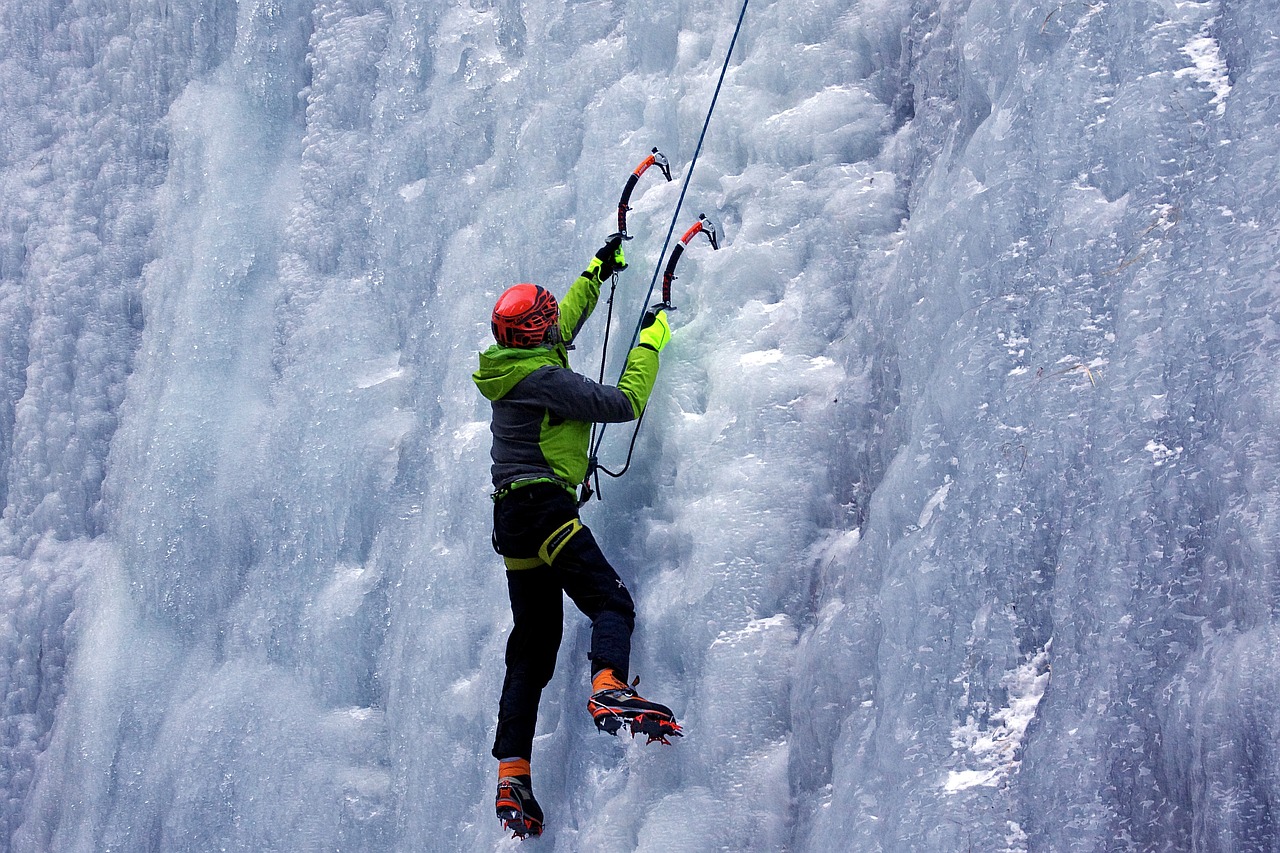
Ice climbing competitions are both thrilling and challenging, enticing climbers from around the world. Each event showcases extraordinary talent against the stunning backdrop of icy formations, often located in breathtaking resorts or winter festivals. Participants in these competitions are judged on technique, speed, and route completion, while stunning ice formations add a picturesque quality. Spectators can expect to witness various climbing disciplines, including lead climbing and speed events, conducted in a safe environment. The rules are meticulously laid out, ensuring fairness and safety for all climbers. In such events, climbers utilize specialized tools such as ice axes and crampons for better grip on ice. Additionally, competitors often sport unique gear tailored for extreme weather, making the entire experience visually captivating. Many climbers form communities, cultivating friendships that extend beyond the ice and fostering mutual respect. Overall, these competitions serve as a platform to inspire new climbers and promote the sport to a broader audience. If you’re new to ice climbing, attending these events is a great way to learn and get motivated. Keep an eye on local listings to find competitions in your area or visit renowned ice climbing communities online.
Preparation for ice climbing competitions is vital for success. Before an event, climbers must train rigorously, focusing on both physical and mental conditioning. Strength training, endurance building, and technical skills are critical for navigating challenging routes successfully. Participants might engage in specific workout routines targeting upper body strength, core stability, and leg power to efficiently wield their tools against ice formations. Mental preparation also plays a crucial role, as competitors often visualize their climbs, which aids in enhancing confidence. In addition, familiarization with rules and regulations is essential, as these dictate climbing styles and point deductions. It’s also crucial to stay updated on weather conditions, as safety considerations can affect competition schedules. Scouting the climbing venue prior to the event can provide insights on the proposed routes and challenges climbers may face. Many seasoned athletes recommend participating in smaller events to build confidence before tackling more significant competitions. Networking with other climbers can also be beneficial, providing support and sharing insights and tips. Overall, thorough preparation helps ensure climbers can perform at their best during competitions, allowing them to focus on showcasing their skills and enjoying the experience.
Events and Format
Ice climbing competitions can vary significantly in format and style. Some competitions focus solely on speed, where climbers race to scale a predetermined route as quickly as possible. In contrast, others may prioritize technical skills, allowing participants to demonstrate their climbing techniques on intricate ice sculptures. The competition layout can also differ, encompassing both single and simultaneous climbs. In single climbs, competitors ascend the route one at a time, enabling judges to award points based on technique and efficiency. However, simultaneous climbs introduce an exhilarating twist, where multiple climbers race on adjacent routes, amplifying the competitive atmosphere. Point systems are employed to evaluate climbers’ performances based on factors like speed, creativity, and failure to adhere to rules. Events often incorporate various climbing tools, including ice tools, axes, and crampons, providing climbers versatility. Additionally, many competitions have separate categories for different skill levels, accommodating beginners and seasoned climbers alike. Climbers often find inspiration from watching top-ranking athletes demonstrate their skills, pushing their limits in challenging environments. By maintaining a competitive spirit, these events significantly contribute to the growth and awareness of the sport.
Notable locations for ice climbing competitions include iconic destinations known for their stunning ice formations and challenging routes. Regions such as the Canadian Rockies, the Alps, and specific areas in Norway and Colorado are renowned for hosting significant competitions. Each location offers unique climbing experiences, with different styles of ice and rock formations challenging climbers’ skills. Climbers often travel to these regions, seeking adventure while showcasing their prowess in icy terrains during competitions. Additionally, these sites usually boast beautiful landscapes, enticing spectators and competitors alike to appreciate the natural beauty. The ambiance created by competitive climbers and cheering fans amplifies the atmosphere, making these events memorable. Organizers often provide amenities and warm-up areas, ensuring a comfortable experience for participants and spectators. Access to equipment rentals and expert workshops amplifies the event’s appeal. Networking opportunities abound as climbers share insights, fostering camaraderie within the ice climbing community. Overall, ice climbing competitions set in breathtaking locations create unforgettable experiences for all involved, from novice climbers to seasoned professionals and eager spectators enjoying the thrilling event that’s fun for everyone.
Sponsorship and Support
Sponsorship plays a fundamental role in the organization and success of ice climbing competitions. Many companies that manufacture climbing gear recognize the marketing potential of sponsoring competitors, events, and organizations. Such support helps cover logistical needs, including venue preparation, marketing, prizes, and equipment for climbers, enhancing the quality of each competition. Sponsorship can significantly raise the stakes, attracting more skilled climbers and better logistics for competitions. As climbers gain visibility through their performance, they may attract individual sponsorships, which can support their climbing journey. Sponsoring companies often host contests or showcase products, offering climbers a platform to demonstrate their skills while using their gear. This mutually beneficial relationship boosts both the climber’s reputation and the brand’s visibility. In addition to gear companies, local businesses often get involved, supporting events or providing additional resources for participants. This community support bolsters the local economy while uniting climbers and sponsors as they work towards common goals. Overall, effective sponsorship enhances the growth and reach of ice climbing competitions while cultivating a sustainable environment for climbers at all skill levels.
With the popularity of ice climbing competitions rising globally, the sport’s visibility among newcomers is steadily increasing. Many beginner climbers are inspired to take part, either by attending events or witnessing climbers’ incredible feats online. There are numerous resources available for aspiring climbers, from instructional videos to local climbing clubs where they can receive expert advice. Additionally, many ice climbing competitions offer introductions or workshops, encouraging novice climbers to get a taste of the sport. Organizations often host successful outreach programs designed to educate and inspire the next generation of climbers. With the introduction of climbing youth programs, younger climbers are joining the world of ice climbing earlier, fueling a future generation passionate about the sport. As passion grows, so does awareness regarding safety practices and the environmental aspects of ice climbing. Communities promote sustainable practices, ensuring that nature remains unspoiled for climbers and upcoming generations. With this shift towards eco-consciousness, the growth of the sport seems promising and sustainable. Aspiring climbers are encouraged to engage with the community, learn skills, and support each other in both competition and adventure.
Conclusion and Future Outlook
In conclusion, ice climbing competitions offer a unique blend of thrill, community, and excitement. They not only showcase remarkable athletic talent and dedication but also contribute significantly to the growth and development of the sport. As more climbers participate and companies invest in sponsoring events, the pathway for newcomers to join the sport becomes more accessible. Ice climbing’s evolving nature—adaptations in techniques, gear, and safety protocols—reflects its growing audience. Furthermore, as competitions continue to entertain, they inspire camaraderie among climbers, fostering relationships that extend beyond events. With the increasing focus on eco-conscious climbing, the sport presents opportunities for sustainable practices that prioritize environmental responsibility. Progress in climbing technology ensures enhanced safety for climbers, further drawing interest in competitive events. As more individuals from various backgrounds engage in ice climbing, the community strength inherently enhances, leading to a broader understanding and appreciation of the sport. Looking forward, it is vital to recognize efforts made towards inclusivity, encouraging diversity within the climbing community. By fostering passion and enthusiasm within this community, ice climbing competitions are set to thrive for many years to come.
Overall, ice climbing competitions represent an exciting and important facet of the winter sports community. They serve as a platform for climbers to demonstrate their skills and connect with others who share similar experiences and passions. This sport not only promotes physical fitness and wellness but also fosters a spirit of collaboration and learning between climbers of all levels. As competitions grow in popularity, ongoing support from sponsors and the community is essential for their sustainability and success. Events will continue to evolve, inspiring new generations to embrace the thrill of ice climbing. With a bright future ahead, ice climbing competitions are poised to remain a major attraction in the winter sports scene, capturing the imagination and enthusiasm of climbers and spectators alike.