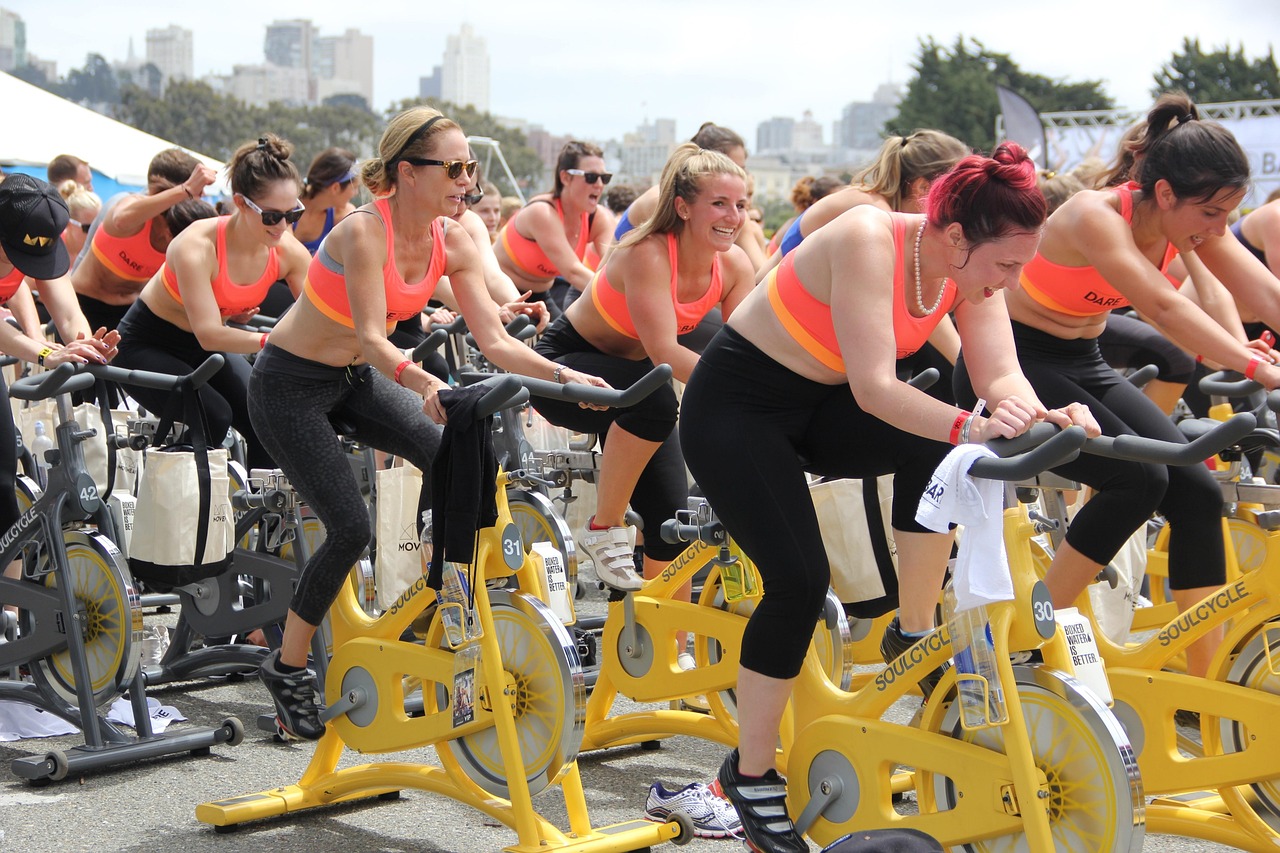

Tracking Progress Together: The Group Training Advantage for Endurance
Group training is a transformative approach, especially in endurance sports. One of its most significant benefits is tracking progress collectively. When individuals come together with a common goal, it fosters an environment of support and motivation. Group dynamics create an opportunity for athletes to engage in friendly competition, which can lead to improved performance levels. With shared experiences, participants can celebrate achievements, big and small, alongside their peers. This camaraderie not only enhances individual motivation but also builds a community around shared pursuits. Regularly meeting with a group allows participants to witness each other’s growth and setbacks. In essence, it transforms endurance training from a solitary endeavor into a collaborative journey. It encourages accountability, as members are likely to show up and put forth effort when others are depending on them. When everyone tracks their progress together, it leads to higher levels of satisfaction. This cohesive spirit fosters a positive training atmosphere that invigorates individuals. Overall, group training offers an essential advantage that is particularly beneficial for those involved in endurance disciplines, cultivating an engaging and effective training process.
When discussing the benefits of group training, it’s essential to highlight the social aspects that play a vital role in endurance sports. Training in a group allows participants to forge connections that extend beyond physical activity. Individuals tend to feel a sense of belonging which can alleviate the monotony often associated with long endurance sessions. These social interactions enhance motivation, as collective efforts often yield better results. Team spirit is infectious; it encourages members to push their boundaries further than they might alone. Having workout partners means creating opportunities for shared experiences, where athletes can bond over triumphs and challenges. Furthermore, the variety in training sessions helps in sustaining engagement. Groups often organize different workouts that incorporate new strategies, resulting in dynamic sessions that counteract boredom. The encouragement from fellow athletes not only makes workouts more enjoyable but also translates into improved performance. Additionally, mutual support can elevate confidence, particularly during tough workouts or races. When individuals know their group is behind them, it can inspire them to dig deeper. Thus, the social fabric that forms through group training significantly impacts the endurance athlete’s journey.
Improved Accountability and Motivation
Participants in group training experience heightened accountability that can lead to consistent performance. Knowing that others are expecting you can be a powerful motivating factor. Each member is a crucial link in the group dynamic; this can ignite an inspiring sense of responsibility. This accountability pushes individuals to adhere to training schedules more diligently. Missing a workout may not only affect personal goals but also impact teammates who rely on shared training sessions. As members experience both individual and group accountability, their commitment to training solidifies. Furthermore, the collaborative effort of a group-Building training plans intensifies commitment levels. These group goals enhance motivation as participants strive collectively towards shared targets. In this environment, individuals are less likely to be deterred by minor setbacks. Instead, they draw strength from their peers to return stronger. The encouragement received can be transformative, especially during challenging phases. With continuous motivation, individuals are likely to experience remarkable improvements in their endurance. Hence, group training acts as a beacon of support and a foundation for accountability, ensuring that all members strive towards excellence in their endurance endeavors.
In addition to accountability, group training cultivates a unique learning environment that fosters development in endurance performance. Experienced athletes often serve as resources, sharing tips and techniques that can enhance skills among less experienced members. This mentorship encourages growth, as individuals provide and receive feedback on training practices. This sharing of knowledge leads to refined techniques that might not be discovered in solo training. Newcomers benefit significantly from this guidance—they can acquire skills more effectively and avoid common pitfalls. Additionally, training in a group setting provides opportunities for specialized workouts. One group may focus on hill training while another may concentrate on speed drills, delivering a diverse training experience. This breadth of training regimens promotes well-rounded athletes, capable of excelling in various endurance disciplines. New challenges introduced by experienced members diversify focuses, sparking creativity in training practices. Peer feedback further enhances performance by introducing different perspectives on individual weaknesses. In essence, the collaborative learning atmosphere present in group training cultivates a continuous improvement mindset, leading to overall enhancement in endurance capabilities.
Setting Collective Goals
Another crucial advantage of group training is the ability to set and pursue collective goals. The shared commitment to specific targets promotes unity and strengthens group cohesion. Whether it is preparing for a marathon, a triathlon, or a fun run, everyone is driven by the same aspirations. This group synergy often creates an atmosphere filled with anticipation and excitement. Collective goals serve as powerful motivators that encourage participants to put in extra effort. Members root for each other, engendering a culture of support and determination. The success of one member becomes a shared victory, inspiring others to achieve their potential. Collaborating on goals also establishes performance benchmarks that everyone can strive to meet together. These benchmarks facilitate accountability and provide a sense of achievement for all involved. In group training, every workout becomes a step towards achieving a shared vision, reinforcing the significance of teamwork. The bonds formed through mutual struggles and celebrations contribute to a strong sense of community. Ultimately, collective goal-setting in group training enhances motivation, accountability, and overall performance in endurance endeavors.
Adaptability is a fundamental aspect of effective endurance training, and group sessions provide an excellent platform for this flexibility. Training together allows for on-the-spot modifications based on everyone’s proficiency and needs. This adaptability ensures that all members are challenged appropriately, catering to individual capabilities while maintaining a collective environment. During group workouts, experienced members can pace themselves differently while encouraging others, promoting a learning experience. This natural progression enables members to tackle challenges that may seem daunting when undertaking them alone. Furthermore, groups can easily tailor workouts to accommodate scheduled races and competitions, fostering a unified approach to preparation. They can modify sessions based on performance feedback or weather conditions. This keeps everyone engaged while preventing training burnout. Additionally, diverse group sizes facilitate a range of dynamics, offering varied experiences as groups evolve. As runners improve together, they can reassess goals and recalibrate as necessary. This adaptability is crucial for maintaining enthusiasm, especially during extended training periods. Collective adaptability ensures that group training remains relevant and beneficial to all members’ endurance needs, resulting in sustained progress and a rewarding training experience.
Boosting Emotional Health and Well-being
Engaging in group training contributes significantly to emotional health and overall well-being, especially in endurance sports. The sense of camaraderie built through training together helps combat feelings of isolation or stress, common in solo training. Interacting with fellow athletes fosters essential social connections that reduce anxiety and improve mental health. Exercising within a group creates an environment of encouragement that can uplift spirits, leading to enhanced emotional resilience. Positive group dynamics often lead to increased happiness and satisfaction, making workouts more enjoyable. Athletes share experiences that validate their feelings and enhance the collective journey. Furthermore, the support system found in group settings aids in managing emotional challenges during training. Individuals feeling overwhelmed can rely on peers for motivation and perspective. In times of doubt or struggle, a supportive group can invigorate determination, helping members push through obstacles. This emotional reinforcement is essential for endurance athletes who often face rigorous training. Overall, group training enhances emotional health, providing participants with community-oriented support, making it an invaluable aspect of endurance endeavors.
In summary, the benefits of group training in endurance sports cannot be overstated. Enhanced performance stems from accountability, social interactions, mentorship opportunities, and collective goal-setting. These aspects enrich training experiences, transforming solitary endeavors into collaborative journeys. The emotional support and adaptability present within group dynamics empower athletes, fostering an invigorating training atmosphere. Ultimately, individuals emerge stronger both physically and mentally through the shared experiences offered by group training. They cultivate not only their endurance skills but also meaningful relationships along the way. It is essential for athletes to consider incorporating group training into their routines. The collective energy and camaraderie can be transformative, leading to remarkable achievements in their endurance pursuits. Furthermore, the shared goals provide a framework for sustained motivation. All these facets combine to elevate group training above solitary practices, resulting in significant overall progress. As athletes strive towards shared achievements, they uncover the true potential of endurance capabilities, enhancing their performance on numerous levels. Therefore, groups of endurance athletes can maximize their collective efforts, leading to a vibrant training experience filled with growth and support.