
Protective Gear for Rowers: What Equipment You Should Invest In
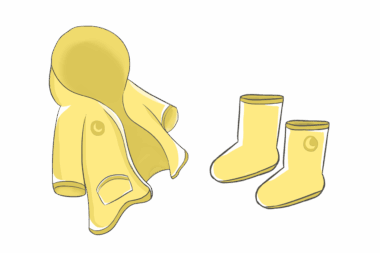
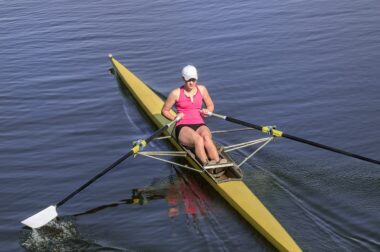
Rowing is an exciting and physically demanding sport that requires more than just skill and technique. It involves equipment that ensures the safety and performance of the rower. Among the essential protective gear, a well-fitted personal floatation device (PFD) is vital. A PFD provides buoyancy, helping you stay afloat in case of an accident. Additionally, lightweight paddling jackets protect against wind and rain. Ensure the jacket is breathable, allowing for comfort while rowing. In cooler weather, prioritize layering options like thermal tops that provide warmth. Wearing proper footwear is equally crucial, as slip-resistant shoes with good grip enhance stability and prevent accidents. Rowing gloves, designed for comfort and grip, help in preventing blisters. Also, consider using protective eyewear, especially on sunny days, as they protect against UV rays and glare from water. Lastly, sunscreen is imperative to shield your skin from harmful exposure during long hours on the water. Overall, investing in quality protective gear enhances safety, ensuring that rowers can enjoy this exhilarating sport with confidence.
Continuing on the topic of safety in rowing, another critical component is the helmet. While not a typical piece of rowing gear, it plays a significant role for competitive rowers in certain professional scenarios. Helmets can help protect against head injuries, especially during training on rough waters. They are designed to absorb impact, making them a smart investment for those pushing their limits. Additionally, having a first-aid kit on board is paramount for any water activity. It should contain basics like band-aids, antiseptics, and pain relief medication. In case of minor injuries, quick access to first aid can prevent complications. Moreover, a whistle is an often-overlooked yet essential tool for signaling distress or emergencies. Equipping every rower with a whistle can significantly enhance safety precautions. Regular checks on your boat’s condition, including oars and lifelines, should not be overlooked. A well-maintained vessel ensures your gear remains effective. Lastly, taking safety courses and understanding the water environment increases awareness beyond just equipment, reinforcing a culture of safety among rowing communities.
Investing in Ergonomic Gear for Comfort
Comfort is another aspect where investing in ergonomic gear pays off significantly. Ergonomically designed seats and footrests can make a substantial difference, particularly during prolonged rowing sessions. These features help maintain proper posture, reducing the risk of back and joint pain. Additionally, seat cushions can enhance comfort levels while providing adequate support and preventing numbness. Look for options made from moisture-wicking materials, as these keep the seat dry during rigorous workouts. Ergonomic paddles, designed to minimize strain on hands and wrists, are essential for endurance. They allow for a more natural rowing motion, which can help avoid injury over time. Selecting the right blade shape and size also influences performance and comfort positively. Rowing machines offering adaptive features can also help you develop better techniques while minimizing physical stress. Regularly incorporating stretching and warming-up routines along with your gear will further enhance overall performance. Also, some rowers find specific padding helps with grip and reduces slippage, enhancing control during rowing. In sum, investing in ergonomic gear enhances comfort, making rowing sessions more enjoyable and productive.
When considering the maintenance of this gear, it becomes crucial to ensure all equipment is in tip-top shape. Regular inspections should be scheduled for all personal safety equipment, and this includes checking for any signs of wear or damage. This habit not only prolongs the lifespan of the gear but also ensures it functions as intended during rowing activities. Cleaning guidelines for specific materials should be strictly followed to maintain their effectiveness. For example, PFDs should be rinsed with fresh water after use to prevent saltwater deterioration. Moreover, proper storage of protective gear can prevent mold growth and material degradation caused by humidity or sun exposure. Learning about your gear’s lifespan can also help in planning replacements proactively. Bookmarking resources that track the condition of your gear can assist in staying organized. Furthermore, if specific items are showing signs of age, replacement should be prioritized. Investing in protective gear is not a one-time effort; it entails an ongoing commitment to maintenance, ensuring your safety remains paramount on the water.
The Essential Role of Communication Gear
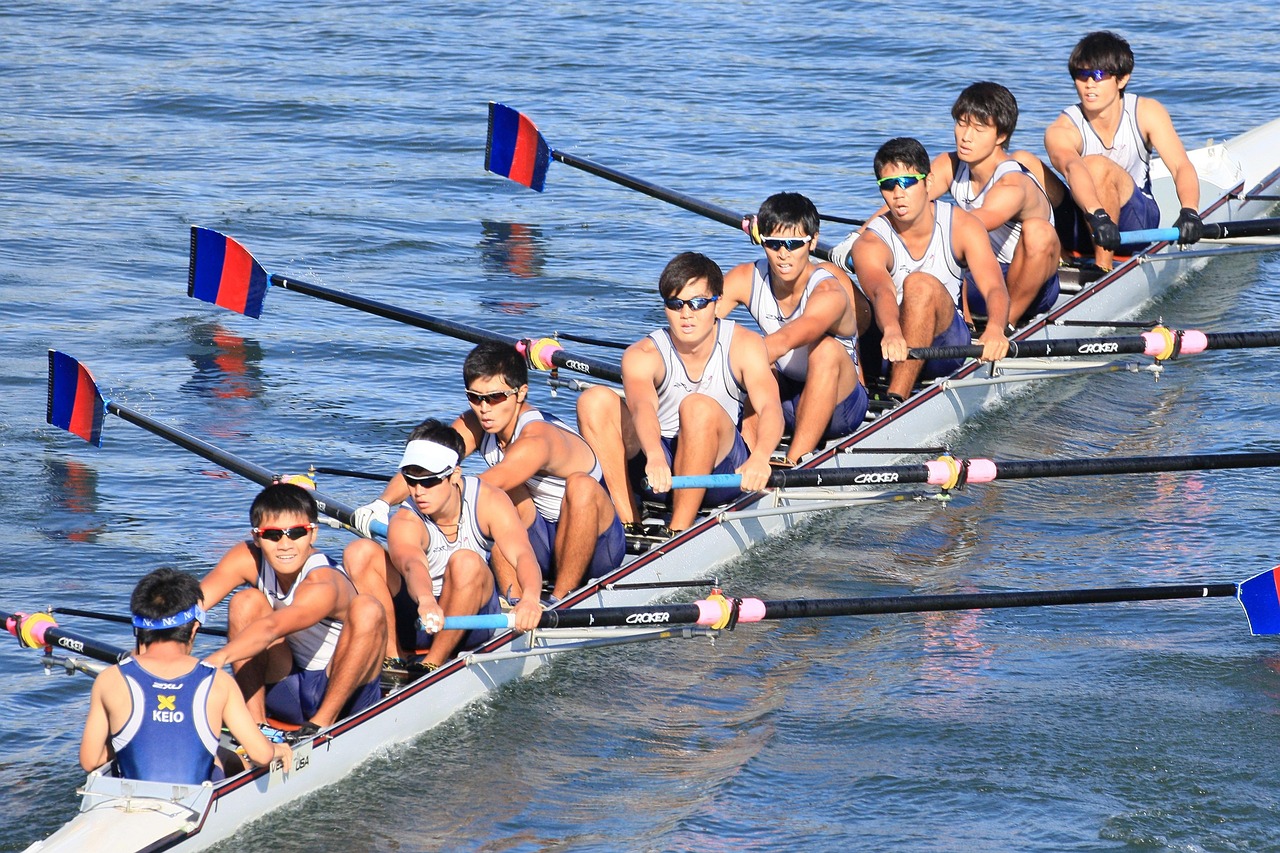
Across different rowing categories, effective communication gear plays a crucial role in ensuring safety and teamwork. Walkie-talkies or headsets allow teams to coordinate effectively during training and competitions. Clear communication assists in synchronized strokes, enhancing performance and reducing risks. Effective signaling also aids in navigation, especially in crowded waterways. Regular discussions about communication protocols before heading out can build camaraderie and ensure that everyone understands their roles. Studying different communication systems can help teams find the best gear for their needs, additionally considering range and clarity. Adding visual signals, like flags or markers, can further enhance safety on the water. In competitions, electronic communication equipment can facilitate instant feedback from coaches. Integrating handheld devices raises awareness of surrounding conditions, helping teams react swiftly to changing scenarios. Furthermore, ensuring everyone is familiar with the equipment paves the way for seamless interactions on race day. Understanding where the communication breaks during rowing proceedings can help in focusing on improvements. Therefore, communication gear, while often overlooked, is fundamental in maintaining awareness and enhancing performance during rowing.
Through consistent preparation, rowers can mitigate risks associated with the sport. Training and familiarization with equipment are just as essential as investing in quality gear. Understanding each piece of equipment and its function contributes significantly to a safe rowing environment. Identifying personal preferences allows rowers to tailor their gear to fit individual needs, ensuring maximum comfort and performance. Some may require custom fit options or specific enhancements depending on body mechanics. Participating in workshops or enable sessions focused on equipment use can further deepen this understanding. Engaging with experienced rowers provides insights into effective gear usage and maintenance practices, creating a knowledge-sharing culture. Social media groups and forums can also serve as platforms to discuss protective gear trends and innovations. Lastly, reviewing gear recommendations based on specific rowing styles can aid in informed purchasing decisions. Ultimately, being proactive in learning about protective gear and safety measures highlights a rower’s commitment to the sport and enhances enjoyment while on the water. Developing a holistic approach to gear investment promotes not only safety but also overall fitness in rowing.
Conclusion
Ultimately, investing in proper protective gear is essential for every rower, regardless of skill level. From personalized PFDs to ergonomic options, each product plays a role in ensuring both safety and comfort during rowing activities. Every effort made toward understanding and acquiring suitable gear enhances performance and promotes a responsible culture surrounding the sport. Continuous education on gear functions and best practices not only benefits the individual but the rowing community as a whole. Over time, cultivating safety awareness transforms how rowers interact with their environment and equipment. As new advancements emerge, staying informed about innovations ensures that rowers are equipped with the best tools available. Ultimately, safety should always be at the forefront when headed out on the water. This commitment fosters a more enjoyable experience while rowing, allowing individuals to focus on skill development and teamwork without constant worries. Remember that protective gear is an investment in your long-term enjoyment of rowing, paving the way for lifelong engagement in this rewarding sport. By integrating safety measures and investing in quality equipment, rowers can truly excel in their craft.
With all this in mind, being engaged with a supportive community can also provide additional insight into the importance of safety equipment. Rowing clubs and teams frequently host discussions and training sessions focusing on safe practices. Active participation in these programs not only reinforces the values of protective gear but also builds camaraderie among rowers. Additionally, such communities often share resources and collective experiences, highlighting effectiveness in various gear choices. This shared knowledge serves as a valuable asset for new and experienced rowers alike. Establishing relationships within your local rowing community fosters a sense of belonging and commitment to each other’s safety. Moreover, local competitions may require adherence to specific gear regulations, further emphasizing preparation. Being part of a rowing community also encourages accountability and collective adherence to safety protocols. As members share both successes and lessons learned, growth becomes a community effort. Integrating hints from fellow rowers’ experiences can enhance individual gear choices. Therefore, if you are new to rowing, consider finding a local team or club to enhance your experience and ensure your safety while enjoying this magnificent sport.