
Managing Swelling in Pregnancy Through Safe Exercise Techniques
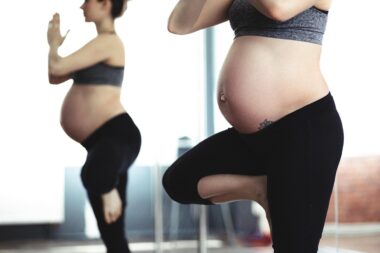
Pregnancy is a transformative period for women, often accompanied by several physical changes, including swelling, also known as edema. To manage swelling effectively, it is essential to have a structured exercise routine tailored to the expecting mother’s needs. Moderate exercise not only promotes overall health but also plays a critical role in alleviating swelling by improving circulation. Key exercises include walking, swimming, and prenatal yoga. Each of these activities supports the body by enhancing blood flow and reducing discomfort. Pregnant women should consult their healthcare provider prior to starting any exercise program to ensure it aligns with their individual health status. Incorporating gentle movements can help reduce excess lymphatic fluid accumulation, thus minimizing swelling in the extremities. Additionally, hydration is essential when exercising; it helps in flushing out toxins and maintaining electrolyte balance. Listening to one’s body during workouts is vital; if any discomfort arises, it is crucial to pause and rest. Pregnant women should prioritize their well-being and utilize safe techniques as they engage in physical activities, ensuring a more comfortable and enjoyable pregnancy journey.
Understanding the types of swelling common during pregnancy can aid in better management. There are various types of swelling, primarily occurring in the feet, legs, and sometimes, in the hands. This can be attributed to hormonal changes and increased blood volume. Women may notice more swelling after prolonged standing or sitting. To combat these issues, it is beneficial to incorporate specific stretches and exercises during the day. Techniques such as ankle pumps, calf raises, and stretches can alleviate discomfort significantly. Engaging in these activities stimulates circulation and minimizes the likelihood of fluid buildup. Alongside physical movements, elevating the legs during rest periods can enhance venous return and further aid in reducing swelling. In addition, practicing deep breathing exercises can support relaxation and better overall circulation throughout the body. Always remember to remain active within safe limits, as even light activities contribute to significant improvements in overall comfort. Pregnant women should monitor body signals continuously, as these indicators can guide pacing and intensity. Creating a balanced routine will enable sustained relief from swelling and improve overall physical condition during this unique time in life.
Safe Exercise Guidelines for Expecting Mothers
Expecting mothers should adhere to specific guidelines while exercising to ensure both safety and effectiveness. Firstly, it’s crucial to choose low-impact exercises, as these reduce the risk of injury while still engaging the body effectively. Activities like swimming and stationary cycling are excellent choices due to their low strain on the joints. Secondly, always prioritize hydration; drinking water before, during, and after workouts aids in minimizing swelling and maintaining overall health. Before beginning any exercise routine, a comprehensive warm-up will prepare the body and prevent unexpected strains. Listening to the body is another essential guideline; if feelings of fatigue or discomfort arise, it is vital to stop and reassess one’s capabilities. Incorporating strength training, within moderation, can also be beneficial, particularly exercises focusing on back and core muscles, which support the growing belly. Always tailor sessions to individual fitness levels and consult healthcare providers to modify workouts as necessary. Maintaining consistency is key; aim for at least 150 minutes of moderate aerobic activity per week to sustain fitness and promote well-being throughout pregnancy.
Stretching plays a substantial role in an effective exercise regimen for managing swelling during pregnancy. Focus on gentle stretches that help to relieve tension and promote circulation in the legs and feet. Simple stretches can be very beneficial, such as the seated hamstring stretch or calf stretches against a wall. Incorporating these into daily routines can facilitate increased flexibility and improved blood flow. It’s also important to practice pelvic floor exercises, such as Kegels, to strengthen the pelvic floor and support the changes occurring in the body. Performing these can help reduce pressure and improve comfort, especially later in pregnancy. Furthermore, utilizing heat therapy post-exercise can aid in soothing sore muscles and joints, while cold packs can help reduce any localized swelling. As always, the key is moderation; don’t overextend oneself during workouts. Pay close attention to your body’s signals, adjusting intensity according to daily energy levels. Not only will stretching sequences foster relaxation, but they can also transform your experience during pregnancy into a more enjoyable and manageable time, making you feel strong and empowered.
Hydration and Nutrition’s Influence on Swelling
Hydration plays a significant role in mitigating swelling during pregnancy, making it essential to focus on adequate fluid intake. Drinking an ample amount of water helps to keep the body hydrated, which may consequently reduce the retention of fluids that lead to swelling. Pregnant women should aim for at least eight to ten glasses of water each day. Additionally, integrating healthy foods rich in potassium can help balance sodium levels in the body, which aids in reducing swelling. Foods such as bananas, avocados, and sweet potatoes are excellent sources of potassium. Another vital consideration is taking sodium intake into check; managing salt consumption can help diminish swelling by reducing fluid retention. Furthermore, fiber-rich foods make a significant impact on overall wellness during pregnancy, promoting better digestion and reducing bloating, which can also contribute to swelling. Women should evaluate their diets and consult with a nutritionist or healthcare provider to personalize their meals for better results. Knowing what to eat and how to hydrate can empower pregnant women to control swelling while maximizing their energy levels and staying nourished through their pregnancy journey.
Listening to your body throughout pregnancy is vital for managing swelling and adapting exercise accordingly. Signs of distress, such as extreme fatigue, sudden swelling, or discomfort, can serve as essential indicators that adjustments are needed. Engaging in restorative practices, such as prenatal yoga or gentle stretching, allows moms-to-be to prioritize listening to their bodies while still benefiting from exercise. Mixing different types of activities helps maintain motivation and interest, which is fundamental during this transformative time. Having a supportive network of family and friends sharing similar experiences can also contribute significantly to managing challenges and discovering new techniques. Additionally, considering professional guidance from a certified prenatal fitness instructor can be incredibly beneficial. They can provide personalized recommendations based on individual experiences and stages of pregnancy. Knowing when to rest is as essential as exercising; balance between activity and relaxation will promote overall health and well-being. Ultimately, empowering oneself through education, community engagement, and practical strategies encourages pregnant women to embrace their unique journey with strength and positivity, significantly enhancing their experience.
Conclusion: Embracing a Healthy Pregnancy Journey
Finally, managing swelling during pregnancy through safe exercise techniques is vital for promoting comfort and well-being. Regular mild exercise combined with proper hydration and nutrition can significantly affect swelling levels. Pregnant women should continue to explore different activities, ensuring they remain engaging and enjoyable. Remember to prioritize physical and emotional health by incorporating rest periods into the routine. Consulting healthcare professionals to create a personalized approach tailored to each mother’s specific needs fosters optimum outcomes. In doing so, women can empower themselves, making informed choices while embarking on this new journey. It’s essential to share experiences, challenges, and successes with others, creating a supportive community and network. Staying proactive in addressing swelling through simple, effective strategies proves invaluable for maintaining overall health and comfort. Your pregnancy journey is unique; embracing it through thoughtful management of health and wellness will contribute to enriching experiences and deserved joy. Achieving a fulfilling and energetic pregnancy is attainable through balanced choices, tailored to individual capabilities and preferences made just for you. Ultimately, feeling good and confident during this vital life stage results from your actions and attitudes toward well-being.
This is an innovative approach to managing swelling in pregnancy as it incorporates safe techniques and exercises designed specifically for mothers-to-be. Understanding how the body changes and implementing effective strategies to mitigate discomfort will enable a smoother journey through pregnancy.