
Guided Self-Myofascial Release Exercises for Hip Mobility
Self-myofascial release (SMR) plays a crucial role in enhancing hip mobility and relieving muscle tension. These guided exercises improve flexibility and promote better performance during physical activities. Utilizing tools such as foam rollers or massage balls can effectively target specific trigger points within the hip area. Incorporating SMR in daily routines leads to increased blood circulation, enabling better nutrient delivery to muscle tissue. One fundamental advantage of SMR is its ability to release myofascial adhesions, resulting in improved tissue quality. This practice not only alleviates pain but also contributes to a greater range of motion. Individuals who regularly perform SMR often report enhanced physical endurance and reduced risk of injuries. Practitioners should focus on specific muscles, including the glutes, quadriceps, and iliotibial band. By dedicating time to these areas, individuals can enhance their overall stability and strength. To maximize benefits, consider pairing these exercises with stretching routines to further boost mobility. Ultimately, guided self-myofascial release presents an effective strategy for fostering hip flexibility and overall musculoskeletal health, making it essential for athletes and fitness enthusiasts alike.
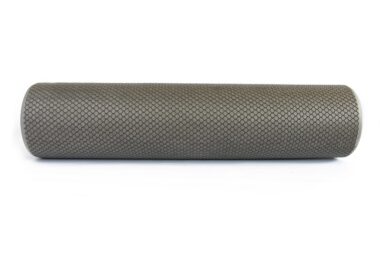
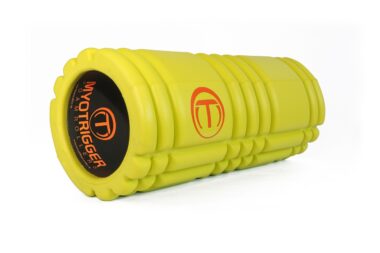
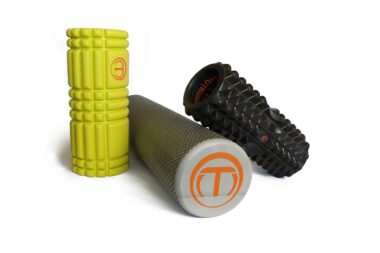
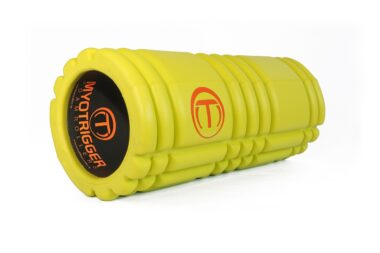
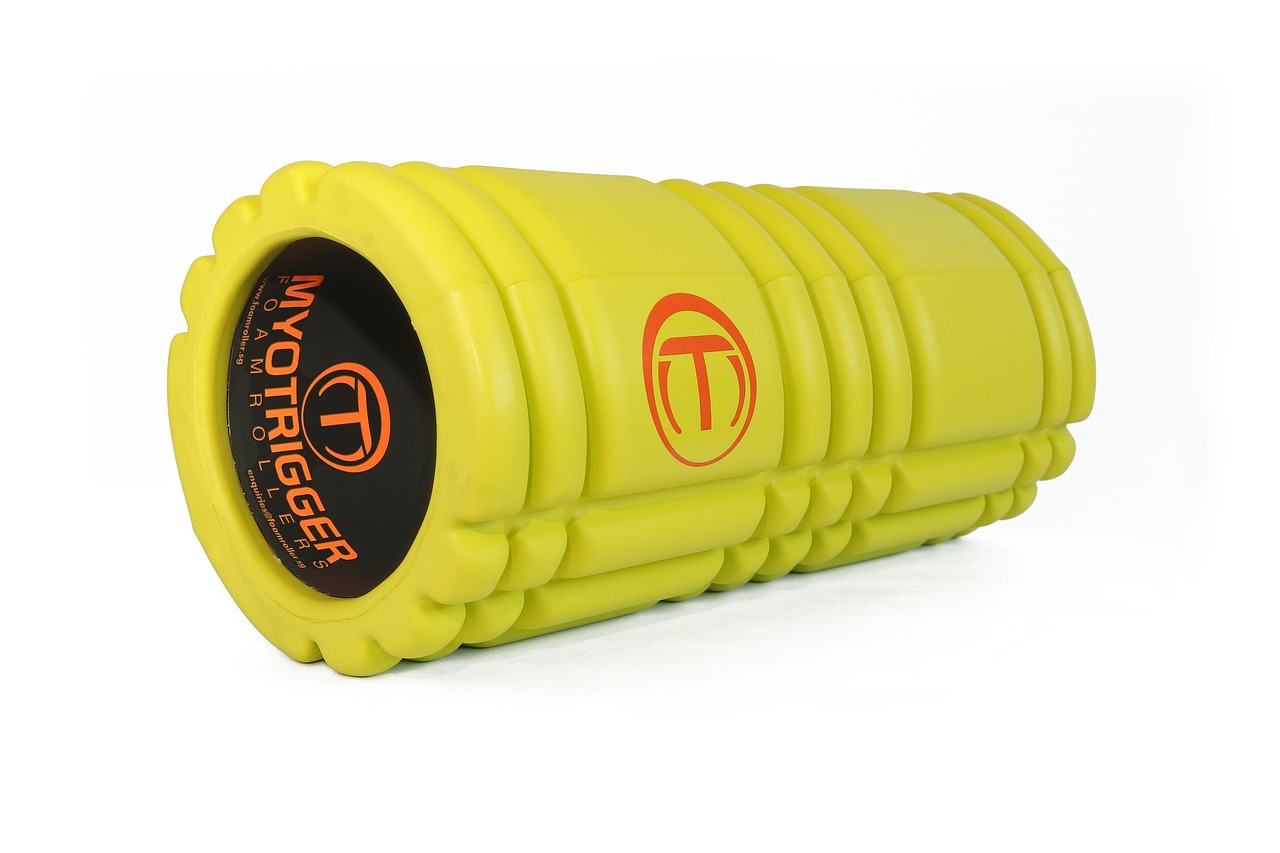
To initiate self-myofascial release, selecting the appropriate tools is vital. Foam rollers offer versatility and can be used on various muscle groups, while smaller balls provide pinpoint precision for trigger points. When using a foam roller, begin slowly, applying gentle pressure on the affected area. Gradually increase the intensity of the pressure as your muscles begin to relax. Focus on breathing steadily, as it promotes relaxation during the process. Incorporating sustained pressure on specific knots for several seconds ensures the muscles effectively respond. Additionally, position changes can help focus on different muscle areas. Overall, consistency is key to seeing results. Aim to perform SMR for at least 10-15 minutes, several times a week. This practice also aids in assessing muscle tightness and addressing any emerging issues proactively. Remember to hydrate adequately, as this supports muscle recovery post-exercise. After a session of self-myofascial release, it’s vital to perform gentle stretching exercises to enhance flexibility further. Integrating these routines into your fitness regimen will significantly benefit hip mobility and overall muscle function. Therefore, understand the importance of SMR by prioritizing your self-care routines effectively and efficiently.
Essential SMR Techniques for Hip Mobility
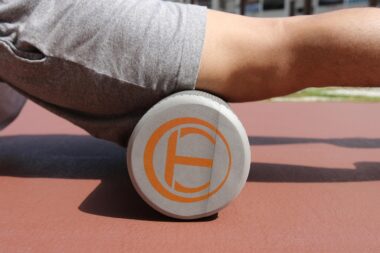
When refining hip mobility through self-myofascial release, several essential techniques can be employed. Start with the glutes, where tightness often contributes to limited hip range of motion. Sit on a foam roller and gently roll from side to side. Target specific areas by cross-legging the opposite ankle over the knee. For the quadriceps, position your foam roller under your thigh. Roll slowly from the hip towards the knee, pausing on any areas of heightened discomfort. To target the iliotibial band, lie on your side with the roller beneath your outer thigh. Maintain control while rolling from the hip to the knee, adjusting your leg position as needed. Additionally, utilizing a massage ball can effectively lift restrictions around the hip flexors. Placing the ball in the tissue just below the pelvis, perform slow circular movements to release the tightness. Lastly, incorporate breathing techniques during these exercises as deliberate exhalations promote deeper muscle relaxation. Combine these methods into a comprehensive routine for maximum results. Continuous practice of these techniques should lead to improved mobility and reduced discomfort, ultimately enhancing your athletic performance.
Listening to your body is essential when practicing self-myofascial release. Adjust the pressure and techniques based on how your muscles respond. If you experience significant pain during an exercise, consider reducing the intensity or modifying your position. Aim for a discomfort that feels productive rather than overwhelming. This balance allows for optimal muscle release and prevents potential injuries. Another vital aspect to consider is the frequency of SMR techniques. Incorporate them as part of your warm-up or cool-down routine. This practice not only aids mobility but also helps promote faster recovery. Keeping track of your progress can motivate consistent practice while ensuring the techniques continuously adapt to your changing needs. Additionally, varying the intensity and approach during sessions keeps the practice engaging and effective. Explore incorporating music or guided sessions to elevate the experience. Recognize that recovery and mobility work are integral parts of any workout regimen. Therefore, embrace self-myofascial release as a vital component of your overall fitness strategy. Continually educating yourself on new techniques can enrich your practice, ultimately contributing to your physical performance and injury prevention.
Final Thoughts on SMR for Hip Health
Prioritizing self-myofascial release is instrumental to maintaining optimal health and mobility in the hip region. As you incorporate these guided exercises into your routine, remember that patience and consistency yield the best results. Adjust the techniques as needed and focus on your body’s feedback during each session. Developing a tailored routine that addresses your specific muscle tightness can significantly improve your overall flexibility and performance. Keep in mind that self-myofascial release can be especially beneficial for athletes engaging in activities requiring repetitive movements. Whether running, cycling, or practicing yoga, ensuring your hip joints are mobile and fluid is crucial. Moreover, combining SMR with strength training and cardiovascular exercises creates a well-rounded approach to fitness, helping to reduce the risk of injuries. By sharing knowledge of these techniques with others, you can foster a community that values injury prevention and rehabilitation. Lastly, consider seeking professional guidance when needed, particularly if you have existing injuries. Remember that improving your hip mobility through self-myofascial release paves the way for better performance and injury-free living.
In conclusion, there are many benefits to incorporating guided self-myofascial release exercises into your routine. Enhanced hip mobility leads to improved physical performance, reduced pain, and a better overall sense of well-being. Implementing techniques can help target tight muscles and deliver effective relief for discomfort. Moreover, creating a structured routine of SMR will maximize its effectiveness. Pairing these exercises with other forms of physical activity ensures a comprehensive approach to fitness. Exploring new variations occasionally will keep your workouts fresh and engaging, while continuously challenging your muscles. As you progress, further enhance your practice by expanding your knowledge of anatomy and muscle function. This awareness can help in identifying problem areas and customizing your approach accordingly. Furthermore, sharing experiences and techniques with friends and family fosters a supportive environment for growth in fitness. Ultimately, maintaining a diligent approach to self-myofascial release can result in superior long-term benefits to your hip health. A commitment to self-care through these exercises empowers individuals to take control of their physical health. Remember that consistency, education, and a willingness to adapt are critical elements in achieving your fitness goals.
Resources for Further Learning
To deepen your understanding of self-myofascial release and its impacts on hip mobility, numerous resources are available. Online platforms provide video tutorials and guidance for effectively learning different techniques. Websites dedicated to physical health often publish articles discussing the latest research findings and methodologies. Books authored by physical therapy professionals can also offer insightful perspectives and practical applications for guided exercises. Consider joining local workshops or classes focusing on injury prevention strategies, as these promote hands-on learning experiences. Additionally, seeking advice from certified fitness trainers or physical therapists can further enhance your knowledge and refine your techniques. Whether you’re a beginner or advanced, education plays a significant role in achieving optimal results. Keep your practice sustainable and enjoyable through continuous learning and adaptation. Engaging with community forums can garner support and motivation from like-minded individuals striving for the same fitness goals. Lastly, the importance of listening to your body cannot be overstated, as it serves as the ultimate guide for a successful self-myofascial release experience. With dedication, patience, and knowledge, you can harness the benefits of SMR for improved hip mobility.