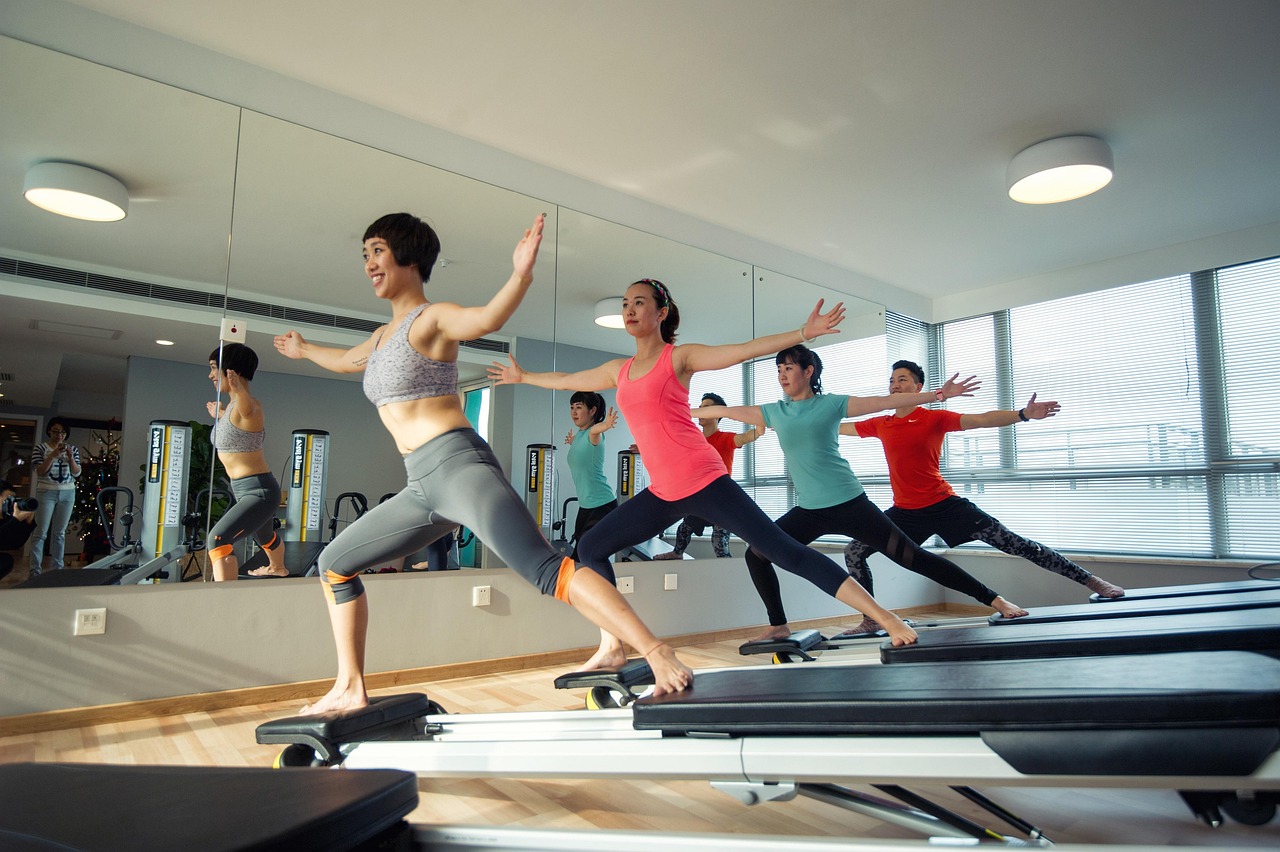

The Role of Pilates in Managing Chronic Pain for Older Adults
Pilates is an effective method for improving fitness among seniors, particularly those managing chronic pain. Developed by Joseph Pilates, this system of exercises emphasizes core strength, flexibility, and body awareness. For older adults facing discomfort due to arthritis, back pain, or other chronic conditions, Pilates offers a low-impact way to enhance physical health while protecting joints. The benefits of Pilates include improved posture, muscle strength, and balance—crucial elements for older adults. Additionally, Pilates can help reduce stress, which is often a contributing factor to chronic pain. By focusing on deep breathing and controlled movements, participants engage both the body and mind, fostering a sense of relaxation. It’s essential, however, for seniors to work with certified instructors who understand their unique challenges and limitations. They can provide modifications to ensure exercises are suitable and safe, allowing participants to experience the full benefits while minimizing the risk of injury. Therefore, Pilates is not just exercise; it’s a holistic approach to bettering life quality through mindful movement.
One of the primary reasons Pilates is recommended for older adults is its adaptability. Exercises can be modified to accommodate individual needs, which is invaluable for seniors with varying degrees of mobility and strength. A tailored Pilates routine can focus on gentle movements and stretching, gradually progressing to more challenging exercises as strength and flexibility increase. This promotes confidence and encourages consistent participation. Furthermore, Pilates classes often take place in supportive group environments, fostering social interaction and motivation among participants. Research has shown that engaging in group exercise can lead to improved mental well-being, combating feelings of isolation often experienced by seniors. Many seniors appreciate the camaraderie that develops in these classes, which can enhance their commitment to fitness. For those with chronic pain, the gentle nature of Pilates allows individuals to tune into their bodies, enabling them to recognize their limits without feeling defeated. As they grow more comfortable with their routine, they may find themselves experiencing less pain and greater mobility, which boosts overall quality of life. This approach empowers older adults to take control of their fitness journey.
Benefits of Pilates for Chronic Pain Management
Engaging in Pilates exercises can significantly alleviate chronic pain in older adults. The exercises focus on core strength, contributing to better posture and reducing strain on the back and joints, which literally makes everyday activities easier and less painful. Improved flexibility is another crucial factor when it comes to pain management; as seniors stretch and strengthen their muscles, they can experience increased range of motion. Enhanced flexibility not only aids in reducing stiffness but also lowers the risk of injuries. Additionally, Pilates emphasizes controlled breathing techniques, which can lead to decreased tension and relaxation throughout the body. By fostering a mind-body connection, individuals can become more aware of their physical and emotional responses to pain. This awareness can often lead to more effective pain management strategies. Thus, not only does Pilates aim to improve physical health, but it also enhances mental resilience. Older adults may develop coping strategies for dealing with chronic pain, improving their outlook on life. When committed to a Pilates program, the cumulative effects can profoundly change how individuals perceive and handle their pain over time.
One key principle of Pilates is the focus on alignment. For older adults, practicing correct alignment means they can execute movements safely and effectively. It is vital that participants learn how to position their bodies properly during exercises to avoid injury. This emphasis on alignment also supports overall joint health, promoting safe movement patterns that can translate into daily activities. Participants learn to engage their core muscles while maintaining a strong but relaxed stance. In doing so, seniors can experience increased stability and strength, which may diminish the fear of falling—a common concern among older adults. Furthermore, alignment not only aids in physical exercises but also promotes a strong ergonomic foundation for day-to-day tasks. Proper body alignment during activities such as sitting or standing can help relieve pain and discomfort. Hence, Pilates serves as both a fitness routine and a practical tool for better body mechanics. Those practicing Pilates often report higher levels of overall health and well-being after adopting healthier posture habits. Ultimately, the skills acquired through Pilates can lead to longer, healthier, and more active lives for older adults.
Improving Mobility and Balance through Pilates
As people age, maintaining mobility and balance becomes crucial for independence. Balance and coordination exercises within Pilates are specifically designed to target these areas, ensuring that older adults can move through their daily lives with confidence. Practicing controlled movements helps participants develop spatial awareness and coordination, both of which are vital for everyday tasks like climbing stairs and walking. By systematically challenging balance, Pilates can improve proprioception, the body’s ability to sense its position in space. Enhanced proprioception can minimize the risk of falls, a significant concern for seniors. Furthermore, the gradual progression of Pilates routines allows participants to build strength and stamina safely, leading to greater mobility. Many seniors discover that consistent Pilates practice enables them to perform activities they had previously struggled with doing. Simple tasks become easier, allowing them to regain a sense of independence and control over their lives. A strong focus on lower-body strength contributes significantly to improved overall stability. In this way, Pilates stands out as an exceptional method of exercise tailored to the unique needs of older adults striving for better functional living.
Another significant advantage of Pilates for older adults managing chronic pain is the emphasis on relaxation. Stress and tension are known contributors to chronic pain, making it essential to incorporate relaxation techniques into any fitness program. Pilates helps practitioners develop mindfulness through its detailed attention to breath and movement, promoting mental calmness. When individuals learn to synchronize their breathing with movement, they create a meditative environment conducive to relaxation. This practice can reduce anxiety and improve mood, addressing the psychological aspects of chronic pain. Many older adults report feeling more equipped to handle stress, enabling them to deal with pain more effectively. Furthermore, this mental resilience can lead to better symptom management over time. Understanding that pain may fluctuate but can be managed through controlled approaches empowers seniors to adopt a proactive stance towards their health. Incorporating mindfulness into fitness routines encourages a healing mindset and reinforces the importance of self-care. By making Pilates a part of their routines, seniors can cultivate a holistic approach to managing not just their physical health but their overall wellness.
Getting Started with Pilates for Seniors
For older adults interested in starting Pilates, seeking guidance from certified instructors is essential. They can ensure that routines are tailored to individual abilities and limitations. Many local studios offer specialized classes designed specifically for seniors, providing a supportive environment for learning the fundamentals without feeling overwhelmed. Additionally, some community centers and health clubs host Pilates sessions targeted towards older adults. It’s advisable to start with beginner-level classes to build a solid foundation before advancing to more complex moves. Prior to starting any exercise program, consultation with a healthcare provider is recommended as it helps identify any specific medical conditions that may require adjustments in the routine. Finding the right class can lead to a more enjoyable experience and foster long-term adherence to the practice. Investing time in Pilates not only aids in managing chronic pain but also enhances overall quality of life through improved physical fitness. With encouragement from instructors and interaction with peers, seniors can thrive in a supportive setting. Therefore, Pilates is an excellent choice for older adults striving for better health and well-being.
As more seniors experience the transformative power of Pilates, its role in chronic pain management will become increasingly recognized. Its adaptability and holistic approach allow older adults to gain strength and confidence. They are not merely exercising; they are participating in a safe and effective therapeutic program tailored to their unique needs. With benefits that extend beyond physical fitness, including mental wellness, Pilates is shaping a positive and proactive approach to aging. Engagement in Pilates can lead to lasting improvements in mobility, pain management, and overall well-being, validating why it should be part of the fitness conversation for seniors. As older adults discover the joys and benefits of Pilates, they embrace a lifestyle that promotes health, vitality, and longevity. This awareness can help motivate further participation in physical activities, reducing the potential risk of chronic diseases. Ultimately, the gentle yet powerful movements of Pilates serve to empower and uplift older adults in their journey toward a healthier life. In conclusion, the promise of a pain-free existence through Pilates exemplifies the value of integrating fitness into the lives of seniors. Affordable classes make it accessible, allowing everyone to partake.