
Biomechanics of Ice Skating Turns: Case Study Insights
Ice skating turns require a unique blend of biomechanics principles that enable skaters to maneuver efficiently and effectively. Understanding how forces act on the skater’s body during a turn is crucial. For example, as the skater approaches a turn, they initiate a shift in their weight, which is pivotal for maintaining balance and control. Using these biomechanical insights, coaches can enhance an athlete’s performance. Analyzing various skating styles and techniques reveals that proper body positioning and alignment significantly influence the efficiency of turns. Strong core muscles and lower body strength are essential for executing powerful turns. This understanding positions athletes to utilize their muscular strengths in unison with biomechanical principles. This not only improves speed but also reduces the risk of injury associated with improper technique. Additionally, biomechanical assessments can help identify skill gaps in a skater’s performance. Overall, leveraging biomechanics can optimize turning techniques considerably, enhancing both success on the ice and the aesthetics of skating performances.
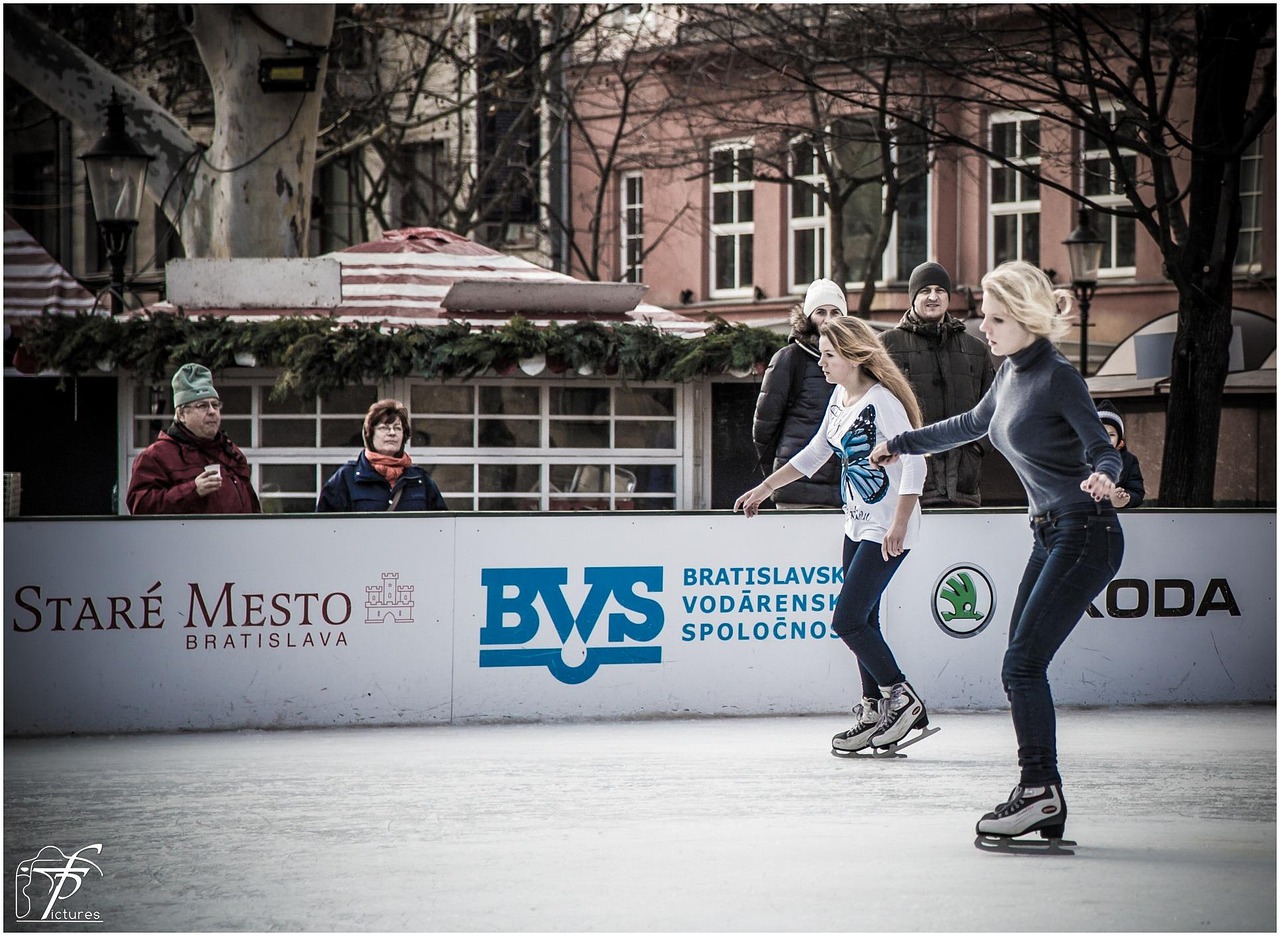
Different types of turns exhibit diverse biomechanical characteristics. For instance, the most common turns in figure skating are the three turns, mohawks, and twizzles. Each turn demands distinctive movements that rely on angular momentum, centrifugal force, and friction between the skate blade and the ice. In a three turn, the skater engages their core while shifting their weight to facilitate the turn. In contrast, advancing towards a mohawk requires the skater to transition between edges, thus impacting their alignment and execution during the turn. Testing biomechanical forces using motion analysis technologies can be beneficial for skaters. These technologies provide real-time data on the forces acting on the body. They also enable athletes to visualize their movements, encouraging better skill acquisition and retention. Furthermore, incorporating strength and conditioning programs that focus on these specific movements can result in a marked improvement in the skater’s ability to perform turns efficiently, improving their overall skating technique. Understanding these biomechanical nuances is vital for any skater aiming for competitive excellence.
Importance of Core Stability in Turns
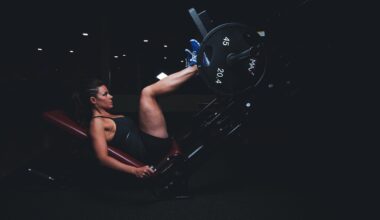
Core stability plays an integral role in executing precise ice skating turns. A strong core helps maintain balance and proper posture, both crucial for effective turning. As skaters navigate through various turning maneuvers, the demand for core strength increases drastically. Research has highlighted that skaters with robust core stability generate more force efficiently during turns. They also exhibit reduced fatigue and improve performance consistency. Implementing targeted core workouts into training regimens enhances a skater’s ability to maintain stability throughout complex turns. These targeted exercises should include planks, rotational movements, and stability ball drills, all designed to enhance the core’s functional capability. Additionally, poor core strength can lead to improper alignment during turns, resulting in potential injuries. Therefore, coaches should pay close attention to each skater’s physical conditioning and incorporate appropriate training methods. Keeping the core in peak condition can have a direct and positive impact on a skater’s performance. Ultimately, enhanced core stability allows for effortless transitions between moves, providing the fluidity desired in elite ice skating.
The emotional aspect of executing successful turns should not be overlooked in the study of biomechanics. Psychological factors significantly influence physical performance. Skaters often deal with performance anxiety, which can inhibit their ability to execute complex techniques. Biomechanical assessments have revealed a correlation between a skater’s mental state and their physical responses during turns. For example, a skater who is anxious may tighten their muscles, affecting their fluidity and grace. Training mental resilience alongside biomechanical training techniques has shown promise in enhancing overall performance. Visualization techniques and mindfulness exercises are gaining popular acceptance as effective methods to enhance concentration and confidence. By focusing on the biomechanics of turns, skaters can mentally prepare themselves and visualize successful execution. Incorporating psychological training allows for a more holistic approach to ice skating. This combined approach not only fosters improvement in technique but also promotes a healthier relationship between skaters and their performance. Through this dual focus on biomechanics and psychology, aspiring skaters can maximize their potential and enjoyment of ice skating.
Video Analysis as a Training Tool
Video analysis has emerged as a powerful tool for understanding the biomechanics of ice skating turns. Coaches can use video footage to assess a skater’s turning technique and identify areas needing improvement. Analyzing recorded performances can reveal critical biomechanical factors such as angles, the distribution of weight, and timing of movements throughout the turn. By reviewing and discussing footage, coaches can provide immediate feedback, fostering more rapid learning and technique refinement. Skaters gain a visual representation of their actions, making it easier for them to understand corrections they need to implement. This visual cue can often lead to quicker adjustments in technique compared to verbal-only coaching methods. Furthermore, turning drills captured through video can be reviewed for advanced biomechanics understanding. Analyzing data from specific drills can track progress over time, allowing for an assessment of improvement in technique. Therefore, integrating video analysis into training regimens is pivotal. It not only facilitates personalized training but also empowers skaters to become more self-aware of their biomechanics, ultimately contributing to their performance on the ice.
Assessing the biomechanical implications of competition pressure is vital for understanding how ice skaters perform during critical events. Skaters are often subject to high-pressure situations that can affect their mechanics and influence their performance. This pressure may lead to mechanical inefficiencies, resulting in mistakes or poor executions of turns. Research indicates that the body tends to respond differently under stress, which can disrupt the natural flow of movement required in turns. An athlete’s familiarity with competitive settings can help mitigate these anatomical stresses. Regularly replicating competition conditions in practice can prepare skaters for the kinds of pressures they will endure. Developing coping strategies alongside their biomechanical training can empower skaters to perform better during competitions. Additionally, a thorough understanding of individual biomechanical responses to stress can provide skaters with tailored strategies for their unique needs. Coaches need to foster a supportive environment that allows skaters to express concerns about performance anxiety while also focusing on biomechanics. By bridging the gap between emotional well-being and biomechanical understanding, athletes can excel under pressure, showcasing their talent more consistently during competitions.
Conclusion
In conclusion, the study of biomechanics within ice skating occurs at a multitude of levels, profoundly impacting skaters’ performance in turns. The relationship between biomechanics and successful turn execution cannot be overstated. By integrating core strength training, mental preparedness, and video analysis into their practice regimens, athletes can develop a comprehensive understanding of their technical capabilities. This multifaceted approach not only enhances the physical execution of techniques but also fosters the mental resilience needed in high-stakes situations. Each of these components works synergistically to enable skaters to optimize their movements, leading to greater success in competitions. Coaches must remain vigilant in observing how biomechanical principles manifest in their skaters’ performances. Embracing these insights can ultimately transform training practices in skating. As researchers continue to explore the nuances of biomechanics in ice skating, it is evident that an informed approach leads skaters closer to mastering their craft. Further advancements in training methodologies will undoubtedly emerge as the understanding of biomechanics evolves, playing a crucial role in shaping the future of ice skating and its athletes.
Through ongoing exploration and practical application, the realm of biomechanics in ice skating has the potential to unlock new levels of excellence for athletes. With each advancement in research, the strategies for enhancing turns grow more refined, ultimately benefiting skaters worldwide. Observing these principles in practice allows for the optimization of techniques that rely heavily on body mechanics. Keeping abreast of the latest findings in biomechanics is essential for coaches and skaters alike. Participating in professional development on these topics can enhance training programs significantly, ensuring that the upcoming generations of skaters benefit from the latest insights. Additionally, sharing case studies with peers within the skating community provides opportunities for collaborative learning and growth. As more skaters embrace the art and science of biomechanics, the sport itself will continue to flourish, inspiring new talent and passion. This ongoing evolution emphasizes that biomechanics is not merely a study of movement but a foundation for excellence in ice skating. By fostering environments where skaters can learn and adapt, the potential for breakthroughs in performance remains limitless.