
How to Choose the Right Kettlebell Weight for Fat Loss Training
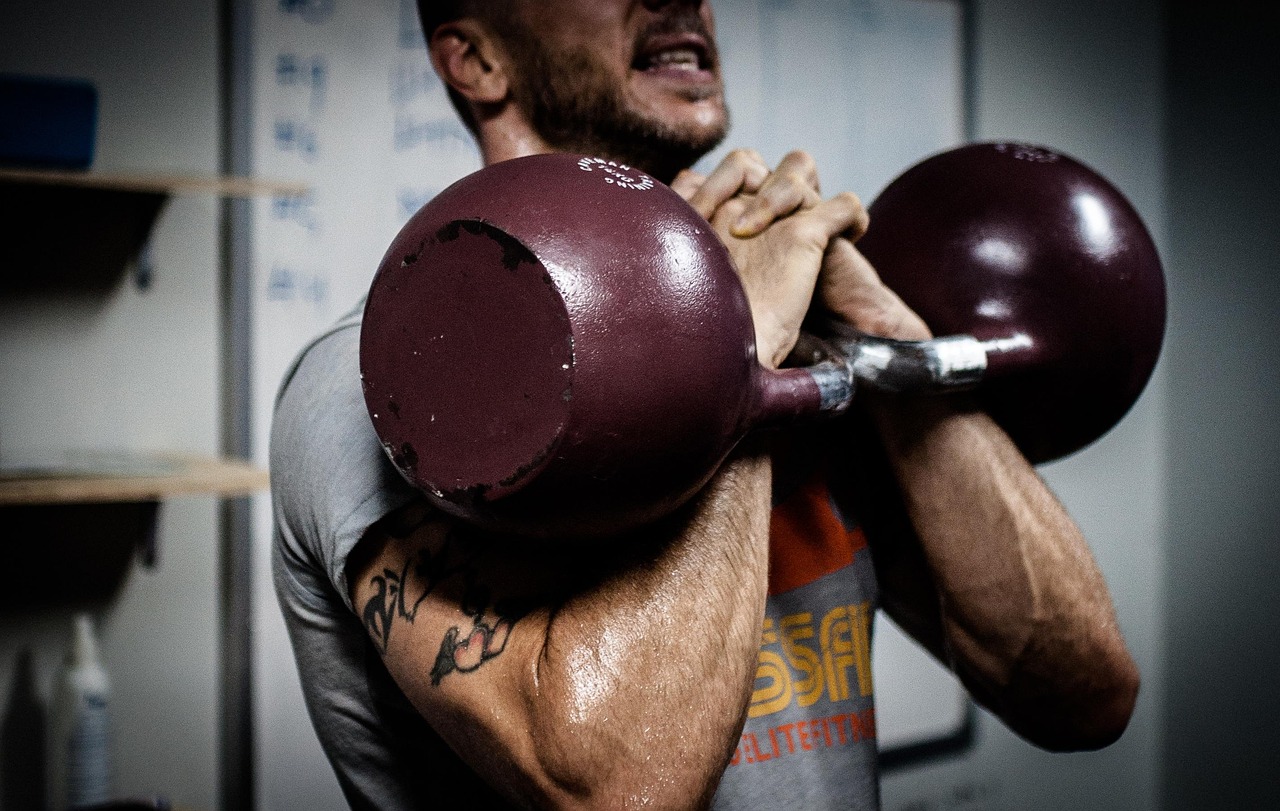
Kettlebell training provides an efficient way to burn fat and improve fitness levels. However, selecting the appropriate kettlebell weight is crucial for optimizing your workouts effectively. Many beginners often make mistakes by choosing weights that are either too light or too heavy. To avoid this, it’s recommended to start with a weight that you can lift comfortably for a minimum of 10-15 repetitions. This ensures that you can maintain proper form throughout each exercise, allowing for maximum efficiency and minimizing injuries. Generally, a weight range between 8 to 16 kg for males and 4 to 8 kg for females is considered appropriate for those new to kettlebell training. Furthermore, as your strength improves consistently, you can gradually increase the weight to continue progressing towards your fat loss goals. Additionally, pay attention to how your body feels during each exercise. Using a mirror or filming yourself can help ensure your form is correct. If you find yourself struggling to complete repetitions or compromising your form, consider lowering the weight until you feel more confident.
Balanced kettlebell workouts can drastically enhance your overall fat loss journey. Incorporating a mixture of exercises targeting various muscle groups ensures that you maintain engagement and motivation. Exercises such as kettlebell swings, goblet squats, and Turkish get-ups not only build muscle but also boost your metabolism by engaging multiple muscles at once. To achieve the best results, aim for a combination of strength, endurance, and flexibility training. One effective routine could consist of 30 seconds of kettlebell swings followed by 15 seconds rest, that continues to a few rounds of different exercises. Another way to challenge yourself is to try a kettlebell circuit, moving quickly from one exercise to another, which raises your heart rate and elevates caloric burn. Tracking your progress is essential; consider using a workout journal or app to log kettlebell weights and repetitions. This information can help you identify patterns over time, which can lead to more informed decisions about increasing weights or changing routines. Always remember that correct hydration and nutrition will facilitate your fat loss journey, supplementing your physical efforts effectively.
Understanding Progression in Kettlebell Training
Progression is a key aspect of all exercise regimes, including kettlebell training for weight loss. As you become accustomed to a specific weight, it’s vital to advance your training by either increasing the kettlebell weight or the complexity of the exercises. This ongoing challenge forces your body to adapt and grow stronger, burning more calories effectively in the process. A common strategy is known as ‘progressive overload,’ where you gradually increase your kettlebell weight in manageable increments. It’s essential to keep track of your workouts to determine when to increase weights and how much to add. As a beginner, consider making small adjustments of around 1–2kg. Listen to your body’s feedback; if an increase causes discomfort or pain, you may need to stay at that weight longer. Similarly, focusing on more complex movements with your current weight, like transitioning from swings to snatches, can enhance your overall strength and endurance without the need for heavier weights. Combining these strategies harmoniously will ensure you continue advancing towards your fat loss goals.
Incorporating kettlebell training into your weekly routine can significantly amplify your fat loss efforts. It’s essential to develop a consistent training schedule that allows for adequate recovery while still remaining active. Ideally, aim for three to four kettlebell sessions per week, maintaining variety in your workouts to avoid plateaus. Each session should include a warm-up followed by focused kettlebell exercises and ending with a cooldown. This structure not only maximizes calorie burn but also helps prevent injuries. For example, begin with lighter weights to practice form during the warm-up, then progressively move to heavier weights in the main workout as your body warms. Additionally, don’t neglect nutrition, as it plays a significant role in fat loss. Consuming a balanced diet rich in vegetables, lean proteins, and healthy fats will support your training efforts. Monitoring your calorie intake while prioritizing nutrient-dense foods will help you stay on track. Furthermore, consider supplementing kettlebell workouts with bodyweight exercises or cardio to maintain an elevated metabolic rate and achieve superior fat loss results in a shorter timeframe.
The Role of Technique in Kettlebell Training
Technique in kettlebell training significantly affects your ability to lose fat effectively. Mastering the fundamental movements is crucial as improper form can lead to injuries and hinder progress. Take the time to learn basic kettlebell exercises such as the swing, clean, and press, ensuring you understand the mechanics involved in each movement. A well-performed kettlebell swing, for example, should engage your hips, core, and arms efficiently, creating a compound movement that promotes maximal calorie burning. If necessary, consider seeking guidance from a qualified trainer or using instructional videos to refine your technique. Practice regularly in front of a mirror to correct your form and enhance your performance. Additionally, focusing on breathing patterns during exercises can help increase strength and endurance, ultimately improving fat loss results. Deep, controlled breaths during exertion and exhalation can contribute to better muscle oxygenation and overall workout efficiency. Don’t rush the learning process; mastering technique contributes to your success in achieving desired fat loss outcomes and elevates your fitness levels.
Anyone considering kettlebell training should also be aware of the mental aspects that play into fitness journeys. The motivation to persist with a weight loss regime often fluctuates, and staying committed to a kettlebell program can lead to remarkable results over time. Setting realistic, attainable goals is an excellent approach to maintaining motivation when progress seems slow. Aiming for smaller milestones rather than focusing solely on the ultimate end goal can help keep spirits high. Additionally, try to connect with a community or find a workout buddy who shares similar fitness objectives. Engaging in online fitness groups or participating in local classes can help foster accountability and provide support on tougher days. Visualizing your success through progressive photos or notes in a motivation journal can further inspire you to stick with your kettlebell training plan. Lastly, always celebrate small victories, whether that’s lifting a heavier kettlebell or completing an additional set, as each step will contribute to your overall fat loss success. Finding joy in your progress will sustain your enthusiasm for kettlebell training.
Final Thoughts on Choosing the Right Kettlebell Weight
Ultimately, choosing the right kettlebell weight is crucial for maximizing fat loss and enhancing overall fitness. Ensuring that you start with manageable weights, focusing on form and technique will enhance your training effectiveness and safety. Remember to prioritize progression, adapting your routines as you grow stronger and more confident. Varying your workouts and introducing new kettlebell exercises can keep training exciting while enabling continual improvement. Incorporating proper nutrition, hydration, and mental motivation solidifies these efforts, leading to sustainable fat loss over time. Always consult a fitness professional if you feel uncertain about your kettlebell choices or technique. The journey to weight loss through kettlebell training is rewarding but requires a commitment to learning and growing. By prioritizing every aspect of kettlebell workouts, including choosing appropriate weights, you will set yourself up for long-term success. Stay inspired by trackable progress, engage in supportive communities, and always remember that the journey is as essential as the destination in your kettlebell training for effective fat loss.