
Cultural Diversity in Youth Fitness Competitions
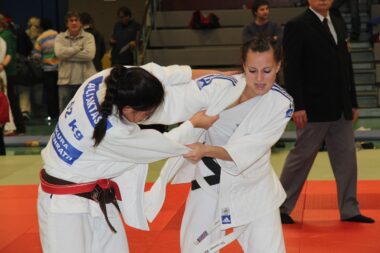
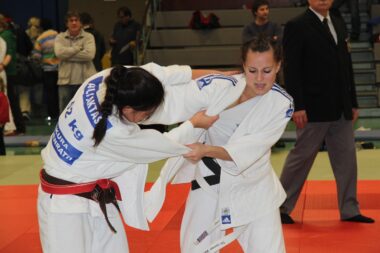
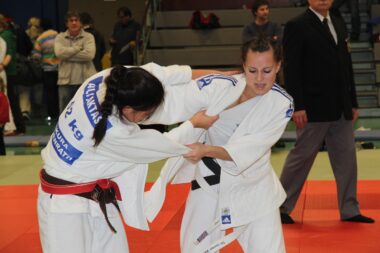
Cultural diversity plays a crucial role in enhancing youth fitness competitions around the world. Young athletes come together, bringing different backgrounds, traditions, and practices that enrich the environment of competition. These events not only promote fitness but also foster respect, understanding, and inclusiveness among participants. This cultural exchange helps to break down barriers and create a sense of unity among youth who may otherwise never interact. The incorporation of various cultural elements into competitions can lead to new forms of fitness and sport styles that appeal to a broader audience, making events more vibrant and enjoyable. For example, competitions can feature different styles of dance, martial arts, or team sports influenced by cultural traditions. This approach encourages children to appreciate diversity while engaging in healthy activities. Furthermore, it can also inspire them to learn about fitness methods from different cultures, thus broadening their understanding. In this globalized world, combining fitness with cultural exchange is a pathway for awareness and growth, establishing youth competitions as a platform for holistic development throughout the fitness landscape.
As youth fitness competitions evolve, understanding cultural diversity becomes more important than ever. Different cultures have unique approaches to fitness, emphasizing various forms of exercise and teamwork essential in competition. By integrating these diverse practices, organizers can transform traditional events into multicultural experiences, creating more relevant competitions for young athletes. Such integration can involve adapting rules, formats, and events to honor preferences from various cultures. For instance, adding traditional games or country-specific fitness routines can reflect participants’ rich heritages while also fostering inclusivity. This framework produces an environment where everyone feels valued. Additionally, these competitions can recognize athletes for their cultural attire or perform traditional greetings, honoring the principles of cultural expression. By celebrating differences, these initiatives promote a better understanding of global fitness traditions, enhancing cooperation and shared respect. With cultural diversity as a key theme in youth competitions, participants can develop appreciation not only for winning but also for collaboration and harmony with peers. It is essential for organizers to remain flexible and adapt their approaches, ensuring celebration rather than competition is at the heart of these events.
The Impact of Cultural Diversity on Competition Formats
The format of youth fitness competitions often reflects cultural diversity, influencing how events are structured and executed. Different cultures approach competitions with varying ideologies, such as collectivism or individualism. This can significantly impact how teams are formed or how events are judged. For example, cultures that value teamwork might encourage cooperative events that require collaboration among participants, thus fostering stronger team bonds and communication. Additionally, emphasizing individual performance allows athletes to showcase personal strengths and abilities, which can also be appreciated across diverse backgrounds. Adapting structured formats to include different perspectives from various cultures can lead to innovative event designs. Recognizing unique fitness practices can make competitions enjoyable and educational for all involved. Events that offer a range of activities from various cultures can engage participants better, encouraging them to learn from one another. Furthermore, such inclusive formats challenge athletes to step out of their comfort zones, allowing them to grow and evolve as participants in their fitness journey. Ultimately, these cultural adaptations promote a more inclusive atmosphere, ensuring everyone’s unique heritage is acknowledged and valued.
Engaging youth in a culturally diverse fitness environment also plays a crucial role in promoting health and well-being. Activities that integrate various traditions expose young individuals to new ways of staying active, potentially leading to increased overall fitness levels. Traditional games and unique fitness practices may appeal to youth who otherwise might not engage in typical sports or exercise routines. This inclusion creates a sense of belonging that encourages participation among those who may feel alienated by conventional formats. Moreover, by experiencing exercises from diverse backgrounds, children can develop a broader outlook on health and nutrition. They learn the significance of physical activity carried out in diverse formats while developing their skill sets. Such exposure can also result in improved mental health, as young athletes support one another across cultural divides. The social interactions foster friendships formed during competitions, creating lifelong bonds that transcend cultural differences. As youth fitness competitions incorporate more cultural elements, they offer an innovative approach to addressing the health crisis facing many young individuals today. The integration of tradition into fitness not only ensures healthier bodies, but it creates healthier minds too.
Challenges of Cultural Diversity in Youth Fitness Competitions
Despite the numerous benefits of cultural diversity in youth fitness competitions, certain challenges can arise. Misunderstandings between different cultural interpretations of competition can create obstacles. For instance, some cultures may place a high emphasis on winning, while others focus on participation and enjoyment. These differing attitudes might lead to conflicts in team dynamics and overall competitiveness. Additionally, language barriers can hinder communication among participants from various cultures, reducing the cohesiveness that such events aim to create. Organizers must think creatively and implement strategies to facilitate understanding and teamwork. Approaches may include creating multilingual resource materials or enlisting interpreters to ease communication. Another challenge lies in ensuring equitable access to resources and opportunities for young athletes, regardless of their cultural background. It is crucial to provide equal training facilities, coaching, and support to all participants, which may require focused effort from event organizers. Addressing these challenges effectively will contribute to a more harmonious atmosphere during competitions. Promoting an inclusive environment leads not only to improved sports performance but also to richer cultural exchanges among youth participants.
Marketing youth fitness competitions around the theme of cultural diversity can significantly elevate their appeal to a broader audience. Emphasizing inclusivity in promotional efforts attracts families and communities from various backgrounds, leading to increased participation and interest. Event organizers must incorporate marketing strategies that reflect the multicultural aspects of their competitions. Engaging social media campaigns, inclusive branding, and community outreach can promote the message of unity in diversity. Sharing stories about athletes from different cultural backgrounds can humanize the event, allowing people to connect emotionally with the cause. Furthermore, collaboration with diverse community leaders can help ensure a vast, supportive network. This way, competitions will not only thrive on participant numbers but also excite local communities invested in celebrating diversity. Moreover, marketing events with a focus on cultural appreciation can ultimately lead to partnerships with sponsors who value inclusivity and community growth. By taking intentional steps to promote youth fitness competitions as multicultural experiences, organizers can position their events as unique and appealing. The strategic focus on cultural diversity can significantly contribute to the growth and longevity of youth fitness initiatives.
The Future of Youth Fitness Competitions
The future of youth fitness competitions looks bright with an emphasis on cultural diversity at its core. As societies become increasingly interconnected, opportunities for multicultural fitness competitions will continue to thrive. Future events will likely incorporate innovations, blending various cultural elements into unique competition styles. These adaptations can create an open-minded atmosphere, inspiring young athletes to explore multiple fitness disciplines. Furthermore, with digital advancements, virtual competitions can reach participants worldwide, allowing for a truly global exchange of ideas and fitness practices. Organizers can create platforms where youth share their experiences and showcase their unique skills from the comfort of their homes. Thus, cultural diversity will not only serve as a thematic approach to competitions but also as a catalyst for engaging young participants in lifelong fitness journeys. The outlook for youth fitness is promising, with ongoing adaptations rooted in cultural appreciation. This evolution ensures that as future generations of athletes emerge, they will lead the way toward a more inclusive fitness landscape. Promoting fitness through cultural diversity now sets the stage for inspiring motivation and creating connections worldwide.
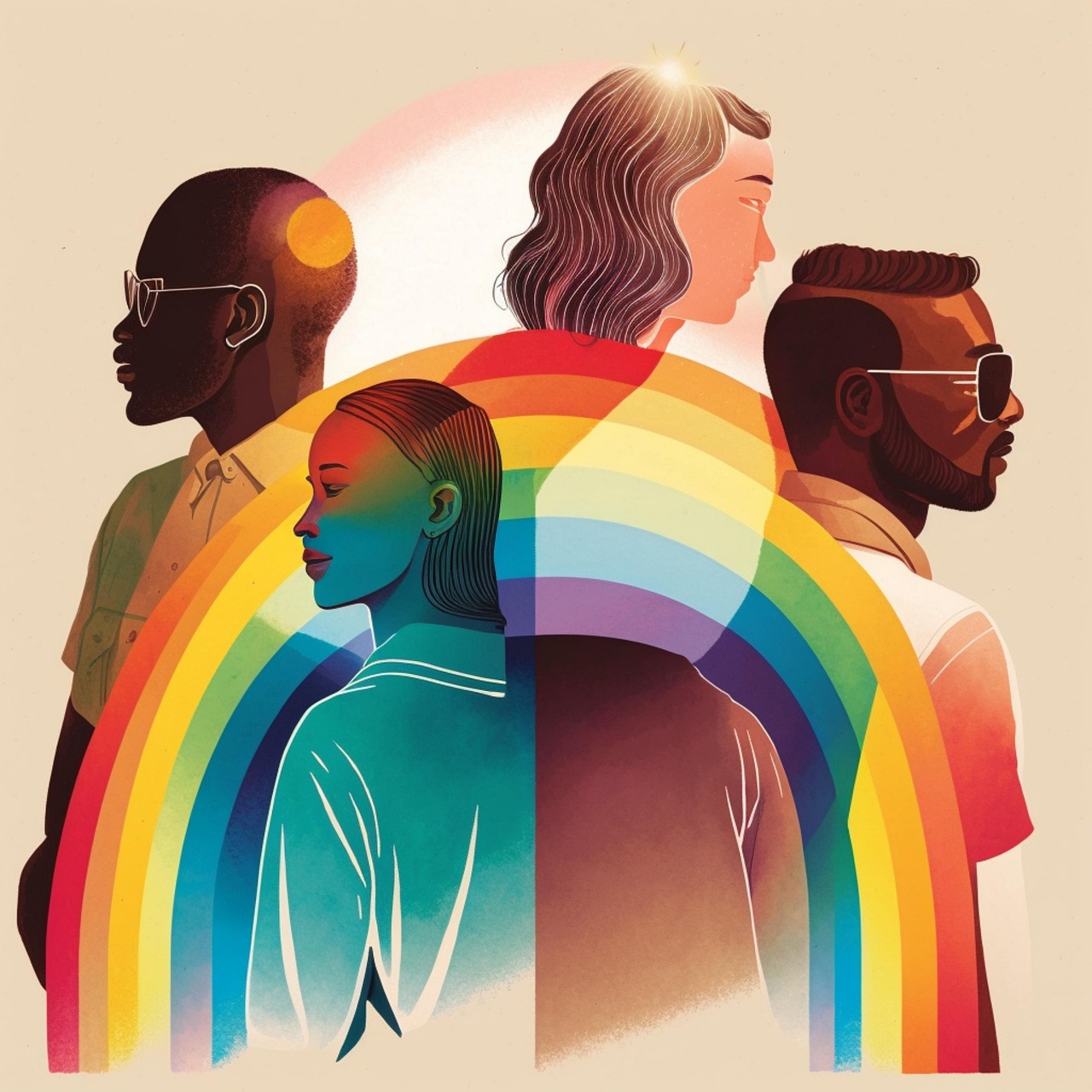
In conclusion, cultural diversity has a lasting impact on youth fitness competitions, making them more enriching and engaging for young athletes. As these events evolve, adapting to include various cultural perspectives ensures greater inclusivity and participation. Creating environments that promote acceptance and collaboration encourages children to appreciate their differences and find strength in unity. Strengthening this intercultural bond lays the groundwork for future athletes to thrive in diverse global sports arenas. Significant efforts should be prioritized to address challenges in cultural representation and communication during competitions, ensuring everyone feels valued. Key stakeholders, such as community organizations, schools, and local governments, must work together to promote awareness and engagement in diverse fitness events. By doing this, we build a healthier and more connected community through sport. Ultimately, cultural diversity within youth fitness competitions ultimately contributes to developing well-rounded individuals equipped to embrace and respect all cultures. As we imagine the future of youth fitness events, we see possibilities for growth, understanding, and friendship beyond borders. Together, we can harness the power of cultural diversity to create enriching experiences that inspire and transform youth through the vehicle of fitness.