
Understanding Young Athletes’ Motivation
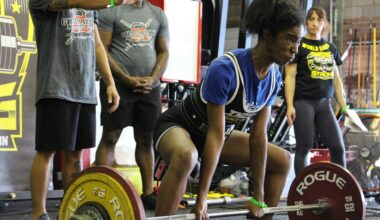
In fitness workshops designed for kids and youth, understanding motivation is crucial for success. Young athletes thrive when they feel inspired and engaged in their activities. Recognizing that each child has unique motivators can enhance their overall experience. Motivation strategies can vary significantly among different age groups. Younger kids often respond to immediate rewards, while older youth may seek long-term goals. Additionally, creating a supportive environment where young athletes feel valued is essential. The role of coaches and instructors in providing encouragement cannot be overstated. They should foster a sense of belonging and teamwork among participants. Setting incremental goals can help maintain enthusiasm and excitement during workouts. It’s important to celebrate small achievements to reinforce a positive attitude towards progress. Furthermore, incorporating fun and interactive elements into workshops can boost engagement levels. Techniques like gamification and friendly competitions can convert workouts into enjoyable experiences. Ultimately, the key to motivating young athletes lies in understanding their mindset and crafting an approach that aligns with their unique interests and aspirations. In this way, fitness workshops can become platforms for building confidence and encouraging lifelong healthy habits.
Another effective motivational strategy involves establishing clear and attainable goals for young athletes. These goals should match the skill levels and interests of participants. Coaches can work with each athlete to develop personalized objectives. By breaking down larger goals into smaller, actionable tasks, coaches can help athletes experience regular progress. This method fosters a sense of achievement that can ignite motivation. Equally crucial is the concept of positive reinforcement. Every effort should be recognized, whether it’s displaying a new skill or merely showing up consistently. Young athletes flourish in environments that appreciate their efforts. Regular feedback from coaches can empower students and help them navigate challenges. Moreover, using visual aids like progress charts can motivate young athletes to strive. Seeing their progress in a tangible form encourages them to keep advancing. Workshops should also include educational components that emphasize the importance of fitness in daily life. Teaching skills and habits early can lead to long-lasting benefits. Establishing personal connections with athletes is essential, as they need to feel understood and supported. These relationships can positively impact their self-esteem and motivation levels.
The Role of Peer Support
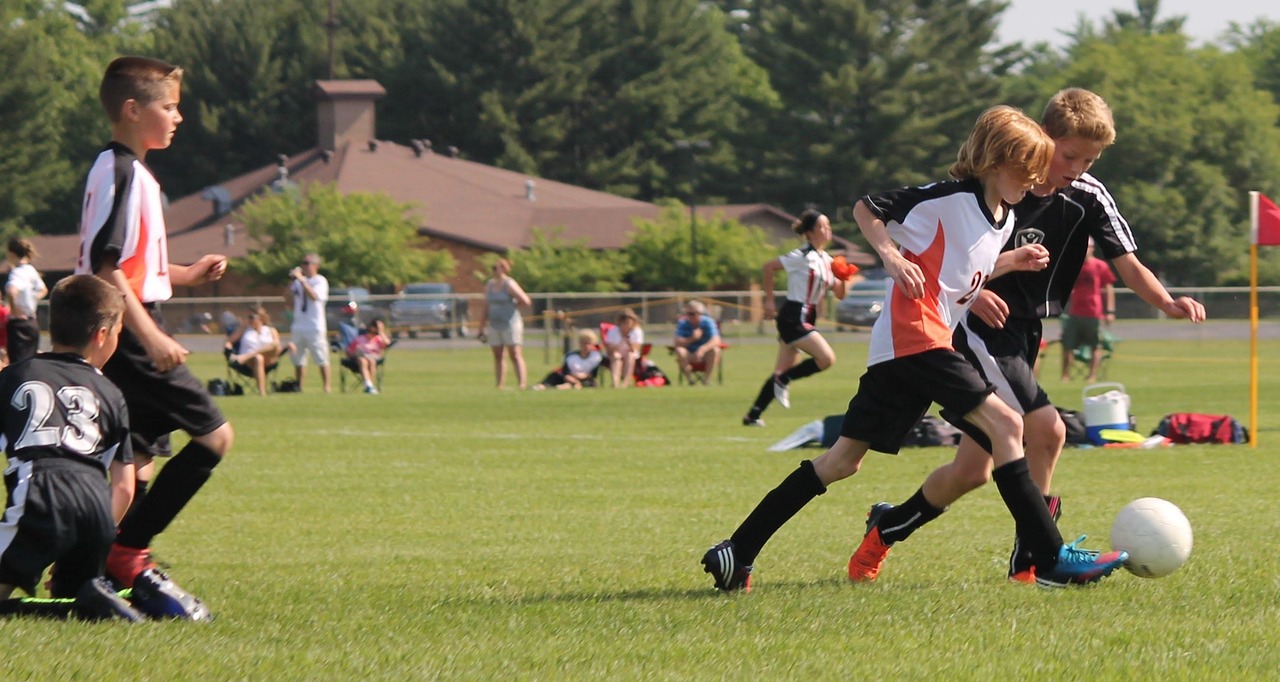
Peer support in fitness workshops plays a significant role in motivating young athletes. Children and adolescents are inherently social beings, often drawing motivation from their peers. Encouraging teamwork not only fosters camaraderie but also enhances overall enjoyment. Taking time to structure activities that promote collaboration allows kids to lean on one another during workouts. Friendly competition can also create excitement and a drive to improve. When young athletes see their friends achieving successes, they’re more likely to want to achieve similar goals. This dynamic can create a healthy environment where everyone encourages each other. Coaches should facilitate such interactions frequently through group tasks and team challenges. These activities cultivate trust and emotional connections among participants. Additionally, celebrating team successes cultivates collective excitement and reinforces motivation. Creating an inclusive atmosphere ensures that every athlete feels valued. Peer recognition can also help in boosting self-confidence, providing that essential support young athletes need during their journey. When children believe in themselves and each other, they are more likely to show up and give their best effort. Ultimately, fostering such supportive relationships is a pivotal aspect of effective fitness workshops for kids.
Another fundamental aspect is the incorporation of skill development within fitness workshops. Young athletes often seek improvement in their physical abilities. When workshops focus on skill enhancement, participants feel that they are making real progress. Delivering specific training that targets different areas can inspire greater effort from young athletes. Strategies such as progressive drills provide immediate challenges that foster growth. Moreover, skills should be taught through engaging and fun exercises to utilize learning effectively. Incorporating variety in activities prevents monotony and keeps interest levels high. Workshops can benefit from structuring sessions that alternate between skill development and game-play. This balance can maintain high energy while reinforcing learned skills. Regularly introducing new activities can create excitement and stimulation. Ensuring diversity keeps every session fresh for participants and prompts ongoing interest. Additionally, encouraging kids to set personal benchmarks can reinforce a competitive, yet collaborative spirit. Having young athletes aim to surpass previous performances can invoke self-motivation. It also aligns them with the goals typically set during competitions. Overall, a focus on skill development helps young participants embrace their fitness journeys with enthusiasm.
Creating a Fun Environment
Establishing a fun atmosphere is crucial in fitness workshops for young athletes. When participants find joy in their workouts, they’re more likely to stay engaged and committed. Implementing playful elements during sessions can transform a standard workout into an adventure. Coaches can incorporate games that enhance fitness without feeling like traditional drills. Using obstacles, fun races, or dance challenges can make the environment lively and entertaining. Creating themed workouts or special challenge days adds excitement and motivation to attend. Moreover, allowing athletes some autonomy over the choice of activities can boost their investment. When kids can help decide their routines, that gives them a sense of control and ownership. This can also involve them in creative initiatives, such as designing team shirts or logos. Such involvement fosters a sense of pride and loyalty to the group. Encouraging young athletes to express their interests can lead to their more significant commitment. These aspects, combined with laughter, teamwork, and enjoyment, cultivate an unbeatable atmosphere. When kids associate workouts with fun and engaging experiences, they are much more likely to develop lasting fitness habits.
Moreover, recognizing that every athlete possesses individual strengths and challenges is essential for motivation. Personalized approaches cater to various skill levels within a workshop. Understanding a child’s unique talents allows coaches to design tailored training that optimizes their potential. Moreover, providing constructive criticism along with praise promotes resilience. Athletes thrive when they feel supported, particularly when challenged with tough workouts. Creating opportunities for self-assessment can help young athletes identify their strengths and areas needing improvement. This knowledge empowers them to own their development journeys proactively. Workshops should encourage reflection and goal-setting based on each athlete’s perspectives. Furthermore, highlighting inspirational stories or role models can ignite passion within young participants. By showcasing individuals who have succeeded through determination and hard work, kids can envision their own successes. Discussions around these stories promote aspiration and advocate embracing challenges. When children feel inspired, they are more likely to pursue their goals energetically. Continued development programs should reinforce these concepts, integrating motivation into every session. Overall, this understanding builds a foundation for achieving and exceeding expectations in their athletic pursuits.
Conclusion and Lasting Impact
In conclusion, the role of motivational strategies within fitness workshops cannot be overstated. By implementing diverse tactics, coaches encourage young athletes to adopt healthy habits and understand the importance of fitness. Engaging methods that emphasize fun, peer support, skill development, and personal growth create lasting impacts on youth. Recognizing and understanding individual motivations allows for tailored approaches. Fostering relationships and encouraging teamwork enhances emotions associated with fitness participation. Moreover, ensuring a playful environment can make workouts enjoyable, leading to enhanced commitment. Each strategy plays an essential role in building confidence and self-esteem among young athletes. As they progress, these kids create meaningful relationships with fitness, establishing healthy routines for a lifetime. Thus, coaches and organizers should always aim to innovate and cultivate motivational strategies. The more inclusive and engaging the environment, the richer the experiences for the children involved. Such efforts ultimately contribute to a stronger foundation for healthier, more active lifestyles. As fitness champions of the future, these young individuals will inspire others to embrace the joys of physical activity long into adulthood, perpetuating a cycle of wellness and motivation.
Motivating young athletes in fitness workshops is essential for developing healthy habits. Creating environments that inspire them can significantly impact their attitude towards fitness. Thus, it is important to adopt distinct approaches to promote engagement. Understanding their motivations requires empathy and creativity, and these should be at the forefront of workshops. Coaches and instructors play vital roles in nurturing youthful enthusiasm. Therefore, their strategies should include not just physical training but mental empowerment as well. Additionally, recognizing individual preferences will create more tailored experiences for young athletes. They may embrace challenges or thrive on competition, and participants need opportunities to explore different aspects. Workshops should include a blend of rigorous training and fun activities. This balance can help engage kids while ensuring they develop effective skills. Fostering an atmosphere where athletes feel safe to express themselves is also important. Encouragement and support within the group impact motivation levels positively and build lasting relationships among participants. Overall, workshops should provide a holistic approach to fitness, focusing on physical abilities, personal growth, and a sense of community among young athletes.