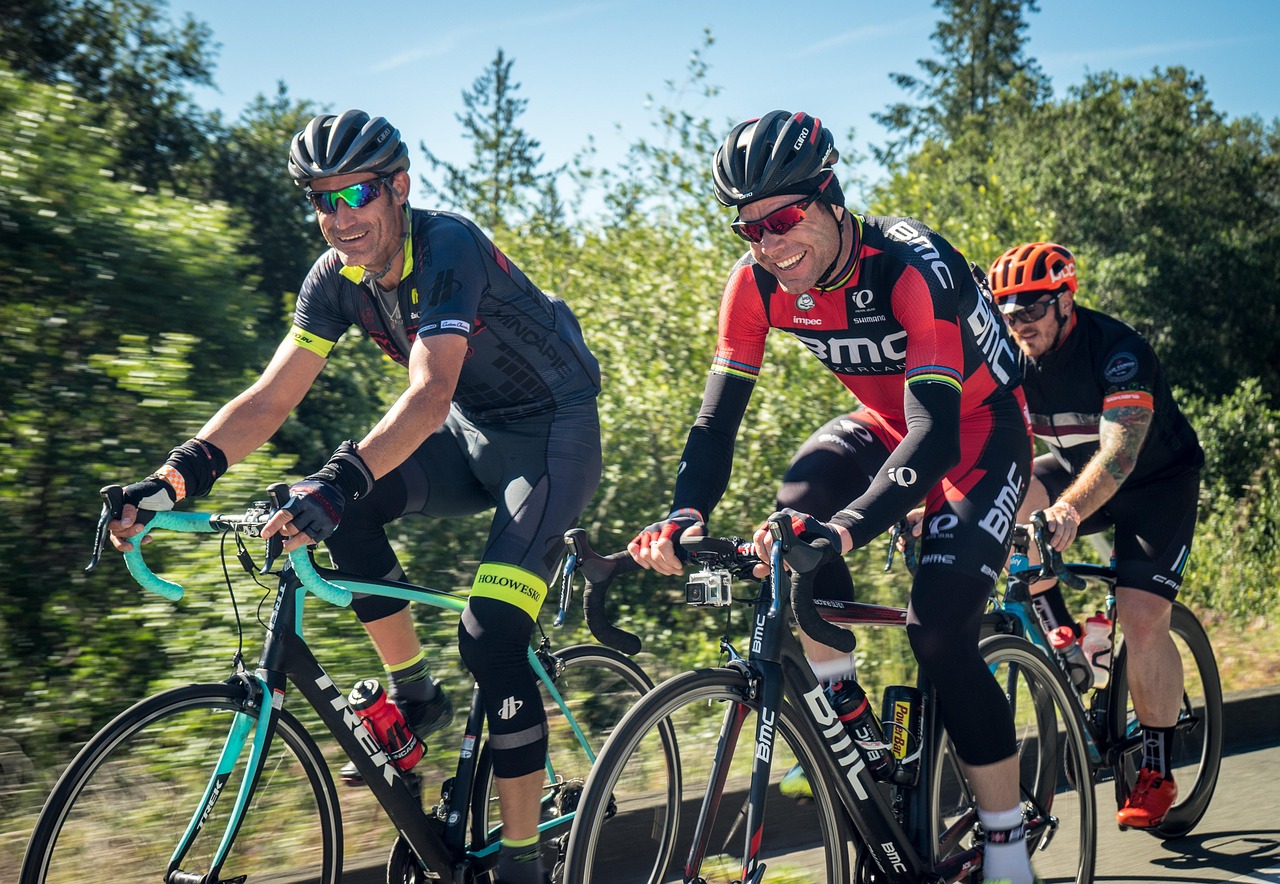

How to Balance Weight and Durability in Cycling Equipment
When embarking on a cycling journey, selecting your gear and equipment wisely can enhance your performance. Weight and durability are two crucial factors to consider; they profoundly impact your cycling experience. Lightweight gear, like bicycles and accessories, is preferred for better speed and maneuverability. However, choosing lightweight materials can lead to trade-offs, particularly in durability. Material selection is key; carbon fiber offers an amazing strength-to-weight ratio, making it popular among cyclists. Yet, aluminum is often chosen for its resilience and affordability. Investing in premium gear means prolonging its lifespan; rugged items will withstand various weather conditions and terrains.
Consideration must also extend to the cycling clothes you wear. Lightweight fabric blends can provide breathable comfort, essential during long rides. However, robust stitching and treatment against tears should not be overlooked. Think about your riding style and common environments when selecting clothing. Observing how garments have been constructed contributes significantly to their lasting performance; reinforced seams and strategic padding are vital. Beyond these, quality footwear is essential as well. Lightweight biking shoes offer flexibility but can compromise long-term support. On the other hand, shoes made from durable material ensure comfort on your rides. Remember the importance of choosing gear that fits well; discomfort can lead to poor performance.
Evaluating Cycling Accessories
When assessing cycling accessories, many choices can influence weight and durability. For instance, a lightweight helmet is essential for safety and performance, but its construction plays a pivotal role in its overall effectiveness. You might be impressed by an exquisitely designed helmet that weighs less but forget its impact resistance. Look for models that meet safety standards; they offer reassurance that you aren’t sacrificing protection for lighter weight. In addition, water bottles, pumps, and toolkits are often overlooked. Select materials that can withstand physical stress while being lightweight. Consider carbon-fiber bottle cages; they hold bottles securely while adding minimal weight.
Using a well-designed bike saddle can significantly enhance durability as it balances comfort and functionality. Ergonomically designed saddles cater to various body types while ensuring comfort during long journeys. However, materials used in saddles tend to differ; foam padding provides immediate comfort but may lack durability. Choosing a saddle made of quality leather or advanced synthetic material ensures a balance of comfort and longevity. Furthermore, don’t neglect other components like pedals, handle grips, or even seat posts. They also play crucial roles in maintaining performance. Choosing pedals made of magnesium instead of plastic significantly reduces weight while ensuring greater robustness.
Another key aspect is the importance of regular maintenance; this ensures that all your gear remains in optimal condition. Proper cleaning extends your gear’s life significantly, especially cycling chains, derailleurs, and brakes. Accumulation of dirt and grime can lead to wear and tear, impacting performance in the long run. It’s recommended to lubricate moving parts periodically and check for any damage. Furthermore, balancing your bike’s setup is essential. An evenly distributed load can improve your ride; assess accessories that can mount securely without compromising stability. Weight distribution across the bike is critical to enhance maneuverability during climbs or descents.
Choosing Between Weight and Durability
Many cyclists wonder whether to prioritize weight over durability or vice versa. Prioritizing lightweight gear often benefits racing cyclists, as speed is of utmost importance. However, for everyday cycling, durability may take precedence, especially in rugged conditions. Balancing both factors can lead to superior cycling experiences. For instance, hybrid bikes designed for both commuting and off-roading incorporate a mix of lightweight and durable components. Learning to assess what is essential for your riding style is crucial. The demands of a tour ride differ significantly from those of a mountain biking session; each requires different considerations regarding the gear.
As a cyclist, investing in a combination of high-quality, lightweight, and durable gear can certainly improve your performance. Is the bicycle frame you choose effectively balancing weight and strength? Research frame materials and construction methods thoroughly to ensure your investment meets both requirements. Ultimately, customizing your set-up ensures you achieve both lightweight components alongside strong materials to maintain durability. Likewise, selecting the right-sized bicycle enhances pedal efficiency as well as comfort during rides. Seek guidance from professional fitters to determine the best solutions for your cycling needs. Balancing between weight and durability ensures that cycling remains an enjoyable adventure.
Conclusion
In conclusion, balancing weight and durability in cycling equipment is crucial for enhancing performance and comfort during rides. By carefully selecting materials and components, you can achieve optimal efficiency and durability. Investing in well-made gear and regularly maintaining it ensures a delightful cycling experience. Evaluate your riding style and preferences continuously; adapt as needed to suit new terrains or challenges. With thoughtful decisions in gear selection, you will enjoy cycling adventures for years to come. Remember to seek advice from fellow cyclists to learn from experienced riders. Join community forums to share insights and read reviews on the latest gear to keep informed.