
Wearable Technology: The Future of Heart Rate Monitoring
Recent advancements in wearable technology have revolutionized heart rate monitoring, making it accessible to millions. The latest heart rate monitors, integrated into fitness trackers and smartwatches, offer precision and ease of use. These devices continuously track heart rates, providing real-time data for users during workouts or daily activities. This technology aids in assessing individual fitness levels and can help prevent health issues. Users can maintain optimal performance through constant monitoring, adjusting workouts as necessary. In particular, specific algorithms analyze heart rate data to determine fitness zones, enabling users to optimize their training regimens. With mobile apps, heart rate data can be tracked over time, giving insights into patterns and improvements. Health monitoring also benefits from this information, guiding interventions if necessary. One key feature is the ability to set alerts for abnormal heart rates, allowing individuals to take action immediately. Overall, heart rate monitors demonstrate immense potential in managing personal health and fitness goals, pushing the boundaries of what wearables can achieve in improving lives and encouraging healthier lifestyles.
Heart rate monitors can significantly enhance athletic performance by providing crucial data. Coaches and trainers utilize this information to create tailored training programs that push athletes to their limits while ensuring safety. Athletes can train smarter rather than harder, focusing on specific heart rate zones to optimize endurance, speed, and recovery. For instance, maintaining a specific heart rate during long runs helps in building aerobic capacity, whereas higher zones are critical for speed training. This data empowers athletes to make informed decisions regarding their routines and recovery, effectively reducing the risk of overtraining or injury. Moreover, these monitors adapt to various sports, catering to runners, cyclists, and team sports players alike. Additionally, the integration of heart rate data with GPS tracking allows for a comprehensive analysis of performance across different terrains and environmental conditions. Coaches can pinpoint areas needing improvement while tracking athlete progress over time. This level of personalized feedback creates a competitive edge in sports. Heart rate monitors have become essential tools, transforming how athletes approach training and performance while promoting healthy practices.
Innovation in Heart Rate Monitoring
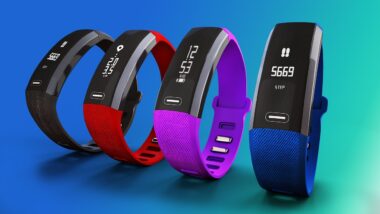
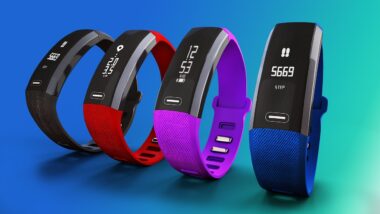
The rise of innovative heart rate monitors showcases the trends shaping fitness technology today. Traditional chest straps are being replaced by wrist-based sensors, providing a more comfortable user experience. These wristbands utilize optical sensors to detect blood flow, allowing an accurate calculation of heart rates without invasive methods. Research indicates these sensors can perform as effectively as traditional methods, especially during steady-state exercises. The convenience and user-friendly nature of wrist-based monitoring appeal to wider audiences, including casual fitness enthusiasts. Additionally, integration with other biometric measurements, such as calorie tracking and step counts, offers a holistic view of fitness levels. This convergence of data leads to better insights into overall health, presenting an unprecedented opportunity for users to analyze their performance. Furthermore, data privacy and security concerns are addressed through encryption and user consent protocols in smart wearables. As companies prioritize user experience alongside performance metrics, the design of wearables becomes more sophisticated, leading to devices that are as stylish as they are functional. Consequently, innovation in heart rate monitoring is paving the way for fitness technology’s future and enhancing user engagement in personal health management.
One of the primary advantages of heart rate monitors is their adaptability for various users, from athletes to casual fitness enthusiasts. These devices cater to a broad market, providing options suited to different training levels and health requirements. For instance, entry-level monitors focus primarily on heart rate tracking, while advanced devices offer comprehensive biometric analysis. The range of options ensures accessibility for individuals regardless of their fitness journey stage. Furthermore, this adaptability promotes the importance of heart health by encouraging people to lead active lifestyles. As more users become aware of their heart rates, they can make informed decisions about exercise intensity and overall health. Integration of gamification features, such as challenges and achievements, also motivates users to set and meet fitness goals. Social sharing capabilities enable users to connect and compete with friends, fostering a fitness community. Collaboration with health professionals is becoming more common, as users can share data with trainers or medical teams for tailored health interventions. This evolution showcases how heart rate monitors are not just about tracking data but also cultivating long-lasting lifestyle changes.
The Role of Data in Fitness Technology
Data plays a pivotal role in heart rate monitoring, enabling users to visualize their fitness journeys effectively. By collecting and analyzing data over time, users can identify trends and improvements in their cardiovascular health. This data-driven approach encourages individuals to set realistic fitness goals based on personal performance metrics, ultimately fostering long-term engagement with their health. Visualization tools in mobile applications translate raw data into comprehensible graphs, making it easier for users to interpret their progress. Comparing heart rates across workouts provides insights on stamina, recovery, and peak performance times. Additionally, these insights can help tailor training regimens to maximize benefits, as users learn how their bodies respond to different intensities. Heart rate data can also facilitate recovery strategies, ensuring that athletes know when to push their limits and when to rest. As technology evolves, machine learning algorithms may predict performance trends based on historical data, providing personalized recommendations for individual users. The future of heart rate monitoring signifies a shift towards proactive health management spurred by accurate and actionable insights from data analysis.
As heart rate monitoring technology advances, new features emerge that enhance user experience. Biometric data integration in wearables is one of these exciting developments. Apart from heart rates, the incorporation of metrics related to stress levels, sleep quality, and hydration expands the understanding of overall health. These comprehensive assessments provide users with an all-encompassing viewpoint, allowing them to adjust various lifestyle factors beyond exercise. Sleep tracking, for instance, offers insight into how well-rested users are, influencing their daily performance. Similarly, stress monitoring helps individuals identify triggers and adopt more productive coping mechanisms. This integrative approach is pivotal, as studies reveal the interconnection between physical fitness, mental well-being, and overall health. Users can leverage this information to make informed decisions to improve their quality of life. Moreover, new wearable technology developments focus on improving ergonomic designs and aesthetic appeal and user-friendly interfaces. Wearables are transitioning from merely being fitness trackers to vital everyday accessories, thereby transforming consumer perceptions. These exciting advancements contribute to a healthier lifestyle, keeping users engaged in maintaining and improving their fitness.
The Future of Heart Rate Monitors
The future of heart rate monitors promises further innovation and advancements in wearable technology. Wearable devices are expected to become more sophisticated, offering enhanced predictive analytics for personal health. Data collected from heart rate monitors may soon integrate with broader health databases, providing users broader insights into their health relative to general population statistics. The pursuit of advanced algorithms aims to deliver personalized feedback that enhances fitness and overall health. Moreover, increased reliance on artificial intelligence and machine learning could automate aspects of health monitoring, offering real-time suggestions during workouts tailored to individual user levels. The potential introduction of non-invasive sensors, such as those utilizing sound or electromagnetic fields, may enhance accuracy, enabling broader applications beyond exercise. As companies invest in research and development, exciting applications for heart rate monitoring are sure to emerge, ranging from mental health awareness to chronic disease management. This evolving landscape underscores wearables’ role in proactive health management strategies, ensuring users stay informed and empowered about their well-being in the years to come. Users can look forward to innovative and comfortable wearables transforming how they manage their fitness and health.
This continuous evolution positions heart rate monitors at the intersection of technology and health. Increasingly, partnerships with health providers may become commonplace as wearable data contributes to personalized treatment plans and remote monitoring solutions. The implications extend to a broader population, emphasizing the role of technology in preventive healthcare. Wearable devices’ accessibility allows them to enter healthcare settings, supporting diagnosis and monitoring for chronic conditions. As awareness grows around heart health and the importance of regular monitoring, these devices facilitate behavior change for millions globally. Furthermore, as sensor accuracy improves, even more, users can utilize heart rate monitoring in diverse contexts beyond fitness, adapting to different lifestyles. This adoption may particularly resonate with older adults, providing reassurance regarding their health through continuous monitoring. In this evolving market, companies are also addressing concerns around data privacy, with secure protocols becoming an industry standard. As consumer education on health technology increases, informed decisions will guide future purchases. Ultimately, the trajectory of heart rate monitors reflects larger trends in health technology, advancing how personal health management is perceived, encouraging healthier lifestyles, and making fitness accessible regardless of experience level.