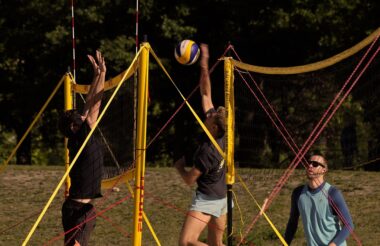

Injury Prevention Strategies for Beach Volleyball Players
Beach volleyball is a demanding sport and requires intensive physical exertion. This high level of activity can lead to injuries if not managed properly. To reduce the risk of injury, players should engage in a well-rounded training program. Such a program should incorporate strength training, flexibility exercises, and skill development tailored specifically for beach conditions. Additionally, players should be aware of the unique challenges posed by sand surfaces, which can differ significantly from indoor courts. Ensuring a solid warm-up routine is crucial. Warming up prepares the muscles and joints for the intense activity ahead. Incorporating proper cooldown stretches helps to relax the muscles post-training, further minimizing injury risks. Furthermore, regular conditioning workouts will help players build resilience and endurance for the rigors of gameplay. Taking periods of rest between intense training can also mitigate overuse injuries. Ensuring proper footwear and equipment is vital in protecting against injuries. Adjustable knee and ankle braces can offer support during strenuous activities, allowing players more stability. Overall, proactive injury prevention strategies will enhance performance and ensure longevity in beach volleyball play.
Proper hydration is essential in maintaining optimal performance and reducing the risk of injury. Dehydration can lead to muscle cramps, fatigue, and diminished agility on the court. Players should ensure they drink sufficient water before, during, and after training sessions and matches. Sports drinks can also be beneficial, especially when sweating profusely, as they help replace lost electrolytes. The nutrition players consume plays a critical role in injury prevention as well. A balanced diet, rich in vitamins and minerals, particularly calcium and vitamin D, can significantly improve bone strength and overall physical health. Consuming adequate protein can aid muscle recovery and development. Players should consult with a nutritionist to create an individualized dietary plan that complements their specific training regimens. Mental conditioning is another vital aspect often overlooked in injury prevention. A focused and confident mindset can greatly enhance performance while reducing psychosomatic injuries. Techniques like visualization can help athletes prepare effectively for matches while boosting confidence levels. Incorporating mindfulness practices can further assist players in managing stress and anxiety associated with competitions, thus promoting overall well-being and a healthy sports life.
Strength and Conditioning for Injury Prevention
Strength and conditioning training is imperative for beach volleyball players to prevent injuries effectively. Focusing on core strength can help stabilize the body during play. Exercises like planks, medicine ball throws, and balance work can enhance core stability, resulting in improved performance. Building leg strength through squats, lunges, and plyometric activities can also increase jump height and reduce knee injuries. Proper conditioning enhances overall physical endurance, allowing players to sustain peak performance throughout matches. Power development drills, such as jump training, are also essential to focus on explosive movements necessary in gameplay. Incorporating agility drills can also facilitate better footwork, promoting quick lateral movements crucial for evading opponents. These drills can be executed on the beach sand, allowing players to adapt their strength to the unique surface. Additionally, ensuring that conditioning workouts are balanced and varied can prevent overuse injuries by allowing different muscle groups to recover while others are being trained. Training should progressively increase in intensity to build strength while preventing strains. Consulting with qualified trainers can help create the most effective program tailored for individual needs.
Flexibility training is a significant component of injury prevention strategies in beach volleyball. Rigid muscles can increase the likelihood of injuries, especially during high-impact activities. Regular stretching sessions, focusing on the lower back, legs, and shoulders, can ensure that muscles remain supple. Dynamic stretching should be emphasized during warm-ups to prepare the muscles for movements in play. Post-match static stretching is essential for muscle recovery and should be a staple in any training regimen. Techniques such as yoga can enhance flexibility and concentration, helping players maintain focus during intense gameplay. Exploring various stretching routines will cater to specific areas of discomfort or tightness, helping develop a personalized approach. Foam rollers and massage therapy can also assist in relieving muscle tension, further promoting flexibility and recovery. Investing time in flexibility training will contribute significantly to injury prevention and enhance overall athletic performance on the court. Players should aim for at least three sessions of flexibility training each week. Building a community among players that encourages flexibility sessions can promote adherence and foster camaraderie, further enhancing the training experience.
Adapting to Beach Conditions
Adapting to beach conditions is crucial for injury prevention in beach volleyball. The sandy surface can present unique challenges, including instability underfoot and increased impact on joints. To mitigate these challenges, players should ensure their shoes provide adequate traction and support, even though many players prefer playing barefoot. Adapting training techniques to the beach involves understanding how the sand affects movement and adjusting drills accordingly. For example, practicing movement patterns on softer surfaces will help strengthen stabilizing muscles while teaching players to navigate the unique terrain. Furthermore, awareness of the weather and temperature is necessary for optimizing performance and minimizing injury risks. For instance, playing during cooler times of day can prevent overheating, especially in the summer. It is also vital to familiarize oneself with hydration needs when playing in high heat. Beach volleyball’s natural elements can influence gameplay and injury types. Training in varying weather conditions will also prepare players for external factors affecting performance during competitions. Such preparations can include adjusting to wind and sun exposure while remaining vigilant about skin protection against harmful UV rays.
Monitoring body fatigue is essential for preventing injuries in beach volleyball. Recognizing signs of fatigue allows players to rest and recover adequately before resuming activity. Implementing a recovery program involving planned rest days can help keep players refreshed and ready for competition. Track your performance and energy levels to find patterns or changes indicating excessive fatigue. Establishing a routine where workouts technically taper before significant matches can help improve recovery. Players should also pay attention to the fatigue management of their team. Encouraging a culture of open communication between players can foster a supportive environment, urging teammates to voice difficulties they may experience during practice. Utilizing light training sessions focused on technique can ensure skills are maintained while allowing for recovery. Engaging in cross-training activities that vary workouts can provide stronger muscle development without the strain of repetitive beach volleyball training. Consistency in assessing and adjusting training intensities can prevent physical burnout. By striking an effective balance between rigorous training and adequate recovery, players can achieve peak performance levels while minimizing injury risks.
The Role of Coaching in Injury Prevention
Coaches play an integral role in injury prevention strategies for beach volleyball players. A coach’s understanding of a player’s mechanics and individual challenges is essential in developing a tailored training program. Effective communication of technique correction is key to preventing injuries caused by improper form. It is also beneficial for coaches to establish a culture emphasizing health and awareness regarding injury risks. Coaches can promote proactive measures by integrating education on preparation, hydration, nutrition, and recovery methods into training sessions. Establishing warm-up protocols that all players consistently follow can also ensure foundational injury prevention strategies are effectively implemented. Frequent evaluations of player performance and health should be a priority, as it allows for early detection of fatigue or potential injuries. Coaches should encourage dialogue about injuries or discomfort among team members to cultivate community awareness, fostering a supportive team environment. When players feel supported, they are more likely to address physical issues before they escalate. Collaborating with medical professionals or physical therapists can further enhance injury prevention education and provide expert advice aimed at keeping athletes healthy, ultimately leading to sound performance on the court.
In summary, injury prevention strategies are vital for beach volleyball players to maintain optimal performance levels. Implementing a diverse training regimen that balances strength, flexibility, nutrition, and recovery will enforce a solid foundation for long-term success. Coaches have a significant influence on the culture of injury prevention, emphasizing the importance of awareness and open communication among team members. Adapting to beach conditions and individual limitations will significantly minimize injury risks, promoting a healthier sport experience. Regularly monitoring fatigue, using appropriate techniques, and ensuring proper hydration and nutrition will sustain player resilience. Encourage a proactive mindset within the team that values injury prevention and prioritizes overall well-being. By integrating these strategies into regular training, players can substantially decrease injury occurrences and increase their joy and performance in beach volleyball. This integrated approach fosters a healthier playing environment. Additionally, players equipped with knowledge of injury risks will feel empowered to make healthier choices both on and off the court. Approaching beach volleyball holistically can ensure athletes enjoy longevity in their sport. Focusing on ways to optimize their training routines, players can significantly improve results while staying injury-free throughout their cherished beach volleyball careers.