
Hydration Recommendations Based on Exercise Duration and Intensity
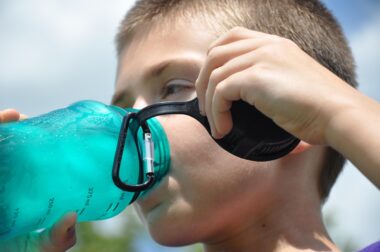
Effective hydration is crucial for athletic performance, particularly when considering exercise duration and intensity. As athletes engage in physical activity, they lose fluids through sweat, which can lead to dehydration. Dehydration negatively affects physical performance, making it essential to stay adequately hydrated before, during, and after exercise. The first step in developing a hydration plan is understanding individual fluid needs based on exercise intensity and duration. Factors such as temperature, humidity, and exercise type should also be considered when determining optimal hydration levels. Athletes engaging in moderate to high-intensity workouts lasting less than an hour may benefit from water alone, while prolonged exercises exceeding one hour might require electrolyte-replenishing beverages. Pay attention to signs of dehydration, including thirst, fatigue, and decreased performance. Carry a refillable water bottle during workouts and set reminders to drink frequently. By tailoring hydration strategies to the specific needs of the activity, athletes can maintain peak physical performance and support their overall health. Understanding these factors will help develop a sustainable hydration approach for any fitness journey.
For optimal hydration during short-duration activities, it is important to start well-hydrated before exercise. Athletes engaging in activities lasting 30 to 60 minutes may choose to consume about 500 to 700 milliliters of water in the hours leading up to their workout. During exercise, drinking small sips of water every 15 minutes can help maintain hydration balance. This approach prevents excessive fluid intake at once, which can lead to discomfort. For sports involving intermittent bursts of activity, such as basketball or soccer, sticking to water may be sufficient, as fluid loss tends to be manageable. If activities extend beyond this time frame, hydration methods should change. Including electrolytes, which help retain fluids and maintain body’s electrical balance, becomes vital. Sports drinks that contain electrolytes and carbohydrates can offer benefits for those exercising more intensely or for longer periods, especially in hot weather. Stay attuned to how your body responds to these hydration strategies while adjusting them to suit personal needs and preferences. Consistent monitoring and adapting make for a highly effective hydration plan tailored to individual requirements.
Hydration for Long-Duration Intense Exercise
For sessions exceeding one hour, especially those lasting several hours, maintaining hydration takes strategic planning. As intensity and duration increase, so does the body’s need for water and electrolytes. Failure to replenish lost fluids can lead to impaired performance, affecting stamina and concentration. Athletes should aim to consume approximately 750 to 1000 milliliters of fluid each hour, varying this volume based on sweat rate and environmental conditions. Electrolytes, particularly sodium, play a crucial role in fluid retention within the body, preventing dehydration. Ideal solutions might include sports drinks formulated with appropriate amounts of carbohydrates and sodium, designed to replenish lost electrolytes quickly. In addition, incorporating snacks during longer workouts could replenish energy levels and enhance overall stamina. Additionally, pre-exercise hydration, beginning hydration practices several days before an event, can store fluids in the body. A well-rounded approach includes hydration practices both during and after intense workouts, with replenishments tailored to individual preferences and physical responses. Stay proactive in monitoring personal hydration needs, maintaining stamina, and ensuring peak performance through each intense workout and beyond.
The timing of hydration is just as important as the type and quantity of fluids consumed. Prehydration can enhance subsequent exercise performance and is fundamental for endurance athletes. Consuming fluids at least two hours before beginning intense exercise helps the body maintain hydration during physical exertion. For long-duration activities, athletes should continue to hydrate amidst exercise, focusing on both fluid and electrolyte replenishment. After an activity concludes, rehydrating helps recover fluid levels lost during exercise. Consuming 1.5 times the weight lost during the workout in fluids can effectively restore hydration. Consider incorporating both water and electrolyte-rich beverages post-exercise. Consuming fluids immediately after exercise maximizes rehydration, especially if teams or individuals have subsequent workouts. To help with recovery, protein and carbohydrates can also play a role alongside fluid intake. To create a successful hydration strategy, an athlete must plan ahead, listen to their body, and adjust as needed. Everyone’s hydration requirements vary, so discover an appropriate plan that works for your specific situation. Test this strategy during practice sessions ensures hydration practices are effectively implemented for performance gains.
Individual Variability in Hydration Needs
Individual hydration needs can vary significantly based on many factors, such as body weight, sweat rate, fitness level, climate, and type of sport performed. Athletes should therefore experiment with different fluid intake strategies and monitor their body’s responses during exercise. The role of hydration is underscored by the fact that athletes in hotter climates, or those who sweat heavily, require increased fluid intake compared to those who sweat less. Maintaining a record of daily fluid intake can help athletes find the optimal hydration balance for their individual needs. Furthermore, drinking to thirst can be an efficient guide for many athletes, as thirst mechanisms generally align with the body’s needs. It is essential to remember that other factors, including diet, can influence hydration. Consuming water-rich foods, such as fruits and vegetables, can aid in hydration. Furthermore, avoiding excessive caffeine and alcohol can also ensure that hydration levels remain stable. Athletes who focus on creating strategies tailored to their specific needs will find that they can optimize their hydration and performance in both training and competition.
Monitoring hydration status can be done in several ways, including keeping an eye on urine color, body weight fluctuations, and by utilizing advanced technology. A well-hydrated individual will normally have light yellow urine, whereas dark urine indicates dehydration. Weighing oneself before and after exercise can also be telling of hydration status; losing more than 2% body weight during exercise suggests dehydration and should prompt immediate rehydration efforts. Seeking help from professionals, such as registered dietitians or sports nutritionists, can provide tailored advice based on individual needs and training goals. Advanced technologies, like hydration tracking apps or wearable devices, can also assist in monitoring hydration status and fluid intake. Staying ahead of dehydration requires constant vigilance; thus, athletes need to develop personalized strategies to ensure adequate hydration. Creating routines, adapting to individual schedules, and incorporating hydration-friendly practices throughout the day can foster healthy habits. Achieving peak hydration is vital not only for performance but also for overall health and wellness in an athlete’s lifestyle.
Conclusion
Hydration strategies play a critical role in improving physical performance and overall health. From understanding individual hydration needs to actively monitoring hydration status, athletes can maximize their performance through a well-hydrated state. By integrating hydration recommendations based on exercise duration and intensity, athletes can effectively combat dehydration and sustain peak performance levels. It is essential to recognize that each athlete’s needs will vary, and no one-size-fits-all approach exists for hydration. Experimenting with various fluid intake strategies during practice can help determine the most effective methods for individual requirements. Knowledge through education, supported by research and professional guidance when necessary, will equip athletes to develop a personalized hydration plan. Balancing hydration with nutrition will create healthy habits that benefit athletic performance and overall well-being. By making hydration a top priority, athletes can set themselves up for long-term success in their chosen sports. Start changing hydration routines today, as the effective management of hydration can significantly impact performance outcomes.
Finally, effective hydration preparation does not end with workout completion. Reviewing hydration practices regularly and adapting as necessary will help maintain optimal fluid balance. Continuous learning and adaptation are part of every successful athlete’s journey. Overall, hydration strategies will ultimately provide athletes with the competitive edge they need to perform their best.