
How Group Self-Defense Classes Promote Social Confidence
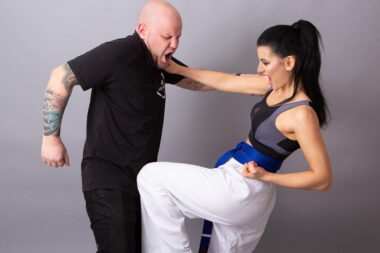
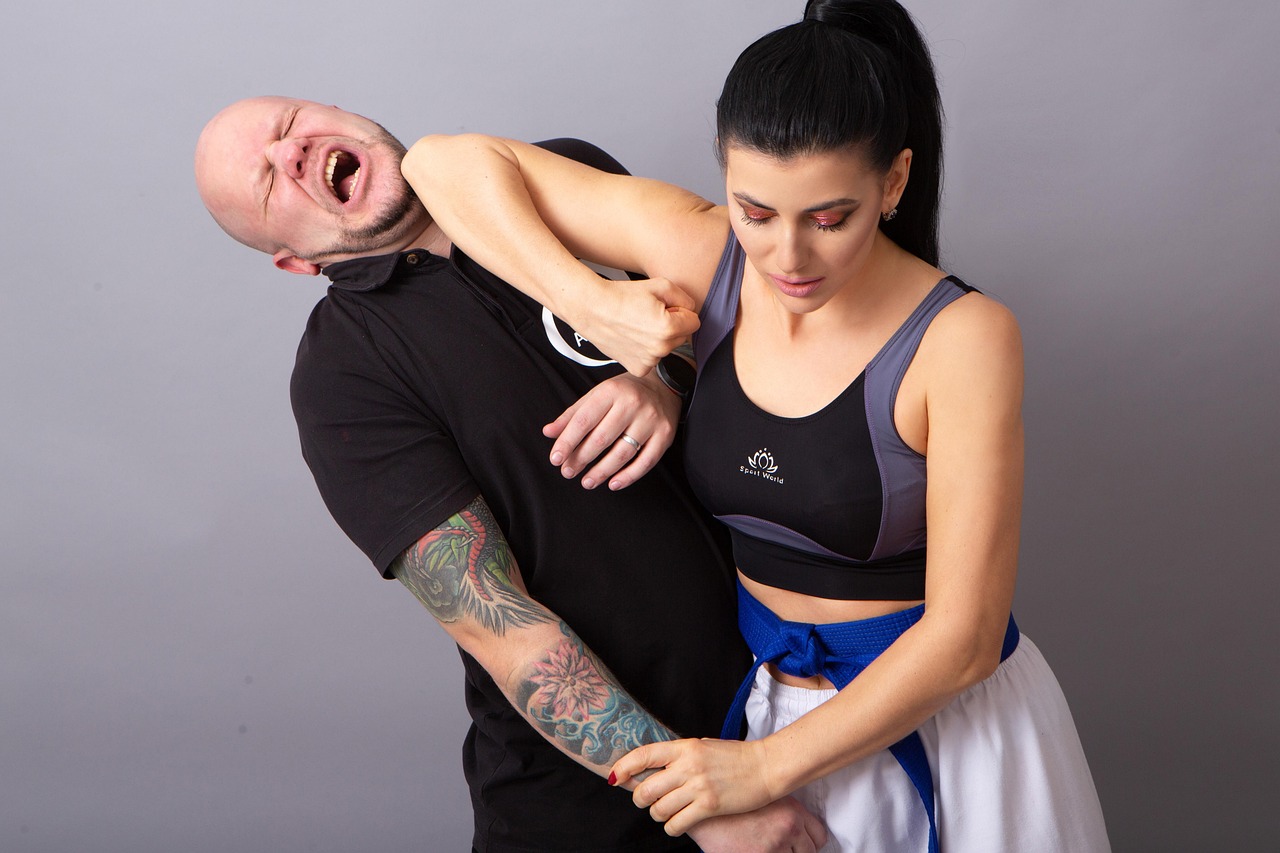
Self-defense training is a powerful tool for individuals seeking to enhance their personal safety and self-confidence. Group self-defense classes focus on teaching practical techniques that equip participants with the skills necessary to protect themselves in various situations. Engaging in these classes fosters a sense of community as everyone shares the same goal—building strength and awareness. Additionally, participants learn to overcome common fears associated with self-defense, such as fear of failure or embarrassment. In doing so, they cultivate a supportive environment where everyone encourages one another. This camaraderie can be incredibly empowering, as it boosts both individual and collective confidence. The physical practice of self-defense movements also promotes a better connection to one’s body, enhancing coordination and physical awareness. Regular training allows individuals to feel more adept in their physicality, improving their overall self-image. Furthermore, as participants progress in their training, they develop a greater understanding of personal boundaries. Recognizing one’s limits and expanding them contributes to a significant increase in social confidence, making self-defense classes a worthwhile pursuit for personal development.
Building Skills and Overcoming Anxiety
Many individuals experience anxiety in social settings, which can hinder their confidence levels. Group self-defense classes can significantly help in this area by providing participants with an avenue to confront and work through their anxieties together. The process begins with understanding that anxiety is a common experience that shared practice can address. Instructors focus on creating a safe and inclusive environment that allows for open communication, enabling students to express their concerns and feelings. This openness fosters trust among peers, which is essential for addressing issues of self-worth and fear. As participants train together in various drills and scenarios, they learn to support one another, celebrate achievements, and encourage improvement. It highlights the importance of teamwork in both self-defense and everyday life. As anxiety is gradually confronted, individuals begin to feel a sense of accomplishment that positively impacts their self-esteem. Moreover, the physical activity involved releases endorphins, which contribute to improved mood and lowered stress. This holistic approach not only teaches effective self-defense techniques, but also dramatically enhances participants’ social confidence, leading to better interactions in their personal and professional lives.
Group self-defense classes often incorporate situational awareness training, which helps participants identify potentially dangerous situations before they escalate. By learning to recognize warning signs, individuals become more confident in their ability to navigate the world. This proactive approach not only fosters confidence but empowers participants with a sense of agency over their safety. Students get practical experience in role-playing various confrontational scenarios, allowing them to practice their skills in a controlled environment. Such practice helps participants respond assertively and confidently when faced with real-life threats. It equips them with the ability to assess situations and react accordingly, reducing the likelihood of feeling helpless or overwhelmed. With each successful evasive maneuver learned, individuals reinforce their self-image as capable and strong. The collective experience in training also serves to build community bonds, with mindfulness towards each other’s journey. This unity further enhances an individual’s capability to trust and rely on peers during challenging scenarios. Over time, the combination of practical skills, teamwork, and heightened awareness establishes a robust mentality. This eventually translates into improved self-confidence in other areas of their lives, promoting overall well-being and personal growth.
The physical aspect of group self-defense classes plays a crucial role in building confidence. Engaging in regular physical activity is known to enhance overall fitness levels while increasing self-efficacy. As participants practice techniques, they develop better physical coordination, strength, and agility. This improvement allows individuals to feel more empowered in their bodies, leading to a more positive self-image. Physical competence in skills learned builds a sense of accomplishment and mastery, which is essential for confidence. As these skills transfer into daily life, participants find themselves more comfortable handling a variety of challenges. Improved fitness also leads to increased energy levels, which ultimately affects social interactions. When individuals feel good in their bodies, they are more likely to engage in conversations, make new friends, and participate in social events. The group dynamics further enhance this experience, as class members motivate one another. It promotes accountability and consistency in training, which is fundamental for progress. The bonds formed through shared experiences create a sense of belonging, making it easier for participants to step out of their comfort zones in various social situations.
Enhancing Emotional Resilience
Participating in group self-defense classes offers numerous psychological benefits alongside physical ones. Learning self-defense techniques encourages emotional resilience, equipping individuals with the mindset needed to tackle life’s challenges. As participants face varying degrees of difficulty in training, they learn to adapt and respond positively, nurturing a growth mindset essential for overcoming obstacles. This resilience often translates to other aspects of life, where challenges may arise unexpectedly, creating a capacity to face them head-on. Furthermore, the confidence gained through self-defense can help mitigate feelings of vulnerability and insecurity by providing individuals with tools for both prevention and response. This newfound strength promotes a sense of empowerment, which is essential for mental well-being. Students also learn to practice self-discipline and patience while refining their techniques, reinforcing their commitment to personal growth. This development encourages individuals to embrace discomfort as a necessary pathway to improvement. In group settings, coaches often emphasize the importance of feedback and reflection to foster emotional growth, creating a supportive environment where everyone can thrive. Finally, the emotional intelligence gained through self-defense training greatly benefits interpersonal relationships, helping participants connect with others more openly.
Building relationships is vital for individual well-being. Group self-defense classes create opportunities for socializing and forging connections with others. As members train together, they share experiences, challenges, and successes. This natural camaraderie fosters a supportive atmosphere where friendships can develop. Participants often attend classes for similar reasons and bond over shared goals. It contributes immensely to feelings of belonging and community. These relationships extend into everyday life, as participants may find themselves engaging more actively in social scenarios outside of the classroom. The experience of learning self-defense techniques together can lead to trust, collaboration, and unity that empower individuals. Additionally, group classes often encourage participation in community events, increasing social interaction. These environments help reduce social anxiety, producing a ripple effect towards greater overall confidence. Students tend to support one another beyond the training environment, often creating networks that empower both their individual and collective growth. The integration of newfound friendships can play a significant role in emotional support, encouraging members to engage in activities outside their comfort zones. Thus, the social benefits of self-defense training benefit all participants, nurturing long-term relationships that surpass the training space.
Long-Term Life Skills Development
Engaging in group self-defense classes instills long-lasting skills that extend beyond physical techniques. Participants not only learn to defend themselves but, more importantly, they cultivate critical life skills, such as improved communication, assertiveness, and decision-making. In high-pressure scenarios, self-defense class attendees must articulate their thoughts and intentions effectively, enhancing their communication abilities. Similarly, practicing assertiveness is integral to self-defense; it fosters a confident demeanor that translates into personal and professional environments. The ability to make quick, informed decisions during high-stress situations also develops through group training. These skills empower individuals with a heightened capacity to manage both physical confrontations and personal challenges in their lives. Furthermore, group dynamics teach collaboration and teamwork, critical for building healthy relationships. Participants learn to listen actively, provide feedback, and work together towards common goals, reflecting the importance of community. These lifelong skills, while honed in a self-defense context, become invaluable in various other areas of life, from the workplace to personal environments. Ultimately, these lessons underline the transformative nature of self-defense training, contributing enormously to an individual’s overall social confidence and personal growth.