
Wearables with NFC Payments: Convenience Meets Fitness Tracking
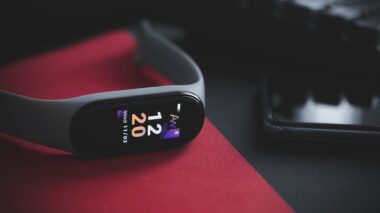
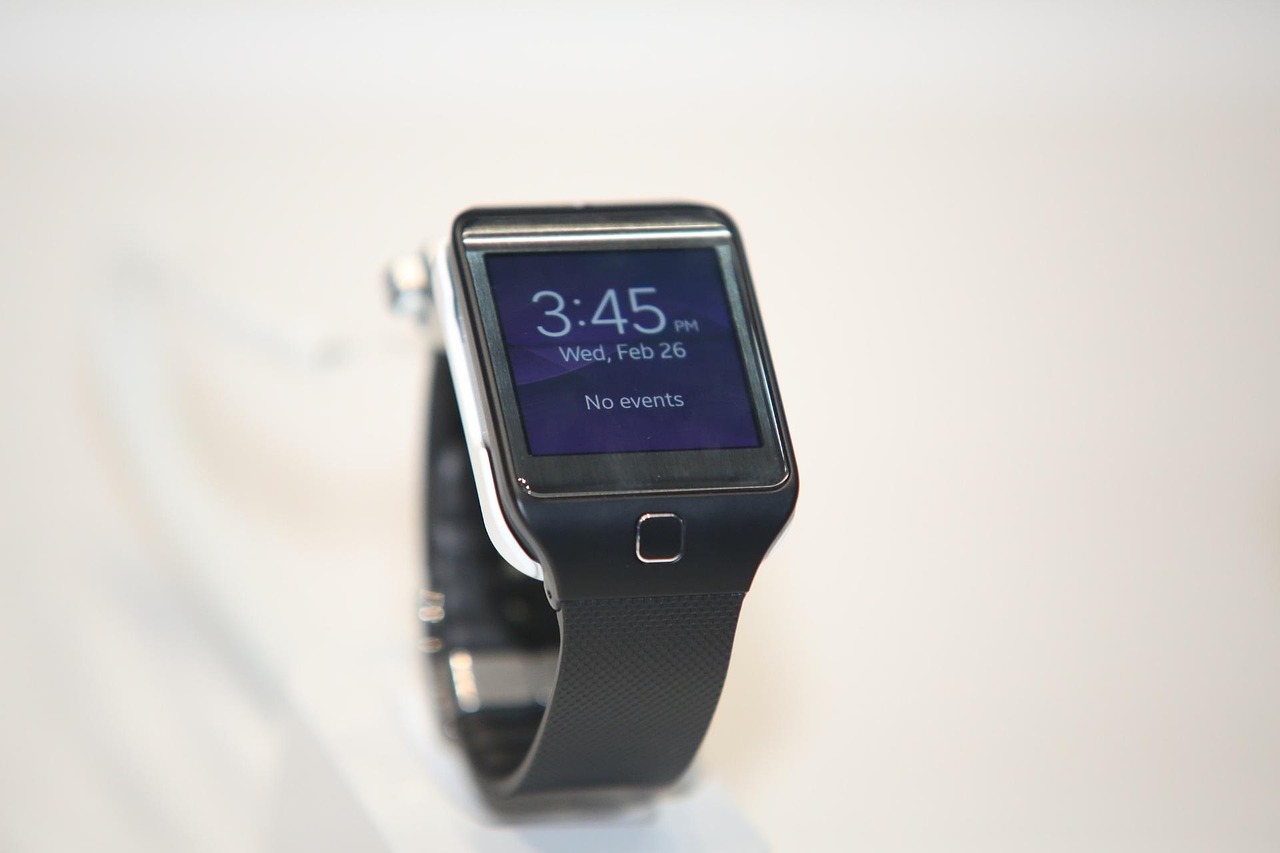
Wearables have revolutionized how we monitor our health while also providing seamless payment solutions through NFC technology. Fitness enthusiasts increasingly rely on smartwatches and fitness bands equipped with Near Field Communication (NFC) capabilities. These devices enable users to make contactless payments directly from their wrists, thus combining ease of access with fitness tracking. Consumers appreciate the ability to leave their wallets at home, allowing them to focus solely on their workouts without the distraction of carrying cash or cards. Moreover, these wearables keep track of vital statistics such as heart rate, steps taken, and calories burned, ensuring that users can stay informed about their fitness journey. As technology advances, developers strive to enhance both the functionality and user experience of these devices. Looking ahead, we can anticipate increased integration of advanced health metrics with convenient payment features. The synergy created makes wearing a fitness tracker even more compelling, merging two essential functions into one compact device. Fitness and finance have never been this intertwined, enhancing our lifestyle as we pursue health goals more efficiently.
The Growth of NFC Technology in Wearables
The popularity of NFC technology in wearables can be attributed to its growing presence in various sectors, particularly finance and health. NFC payment systems facilitate quick transactions with minimal friction, making them ideal for active lifestyles. By incorporating NFC into fitness wearables, manufacturers offer users an appealing blend of technology. This synergy addresses the need for convenience without sacrificing the main goal of fitness monitoring. The technology simplifies how individuals pay for purchases during workouts, such as purchasing a health drink at the gym or grabbing a snack post-workout. Studies indicate that consumers value the capacity to execute transactions quickly and securely on the go. Brands such as Fitbit and Garmin have embraced NFC features, forming partnerships with well-known payment providers like Google Pay and Apple Pay. These collaborations enhance functionality while solidifying brand trust among users. As more individuals adopt contactless payments, the incorporation of NFC capabilities in wearables is likely to increase. Gradually, we can anticipate new innovations that will further develop this technology integration, offering comprehensive health and payment solutions for consumers.
One of the most noteworthy aspects of wearables equipped with NFC payment features is their impact on user engagement and retention. Fitness trackers and smartwatches not only serve as health monitoring tools but also enhance the overall user experience. By integrating NFC technology, devices become multifunctional, appealing to a broader audience. Users tend to keep these devices longer since they acquire more than just health data; they carry out financial transactions as well. Moreover, NFC-enabled wearables can motivate users to remain active—a significant factor in fitness tracking. Studies have shown that individuals are more likely to pursue healthier lifestyles when convenience and accessibility are prioritized. Users can easily monitor their health progress while executing seamless transactions. Wearables have transitioned from a sole focus on fitness to a comprehensive solution that combines exercise, wellness, and financial management into a single device. This transition positions these gadgets as essential tools for modern, active lifestyles, creating a unique niche for themselves in the fitness tech market. As preferences evolve, it is likely that we will continue to see increased demand for wearables providing combined functionality that satisfies these growing consumer needs.
Security Features of NFC Payments in Wearables
Security remains a primary concern for users adopting NFC payments through wearables. Thankfully, manufacturers prioritize security by deploying advanced encryption techniques. These methods ensure that sensitive payment information stays protected during transactions. The seamless integration of security features allows wearables to function efficiently and securely, giving consumers peace of mind during purchases. Furthermore, features like biometric authentication, such as fingerprint or facial recognition, enhance security levels significantly. As users engage in physical activities, they can feel confident that their financial information is safe from potential breaches. This is essential for those who wish to make quick payments on-the-go without worrying about fraud. Additionally, many devices feature transaction limits, ensuring an extra layer of protection against unauthorized payments. The technology behind NFC payments also prevents sensitive data from being stored directly on the device. Instead, it transmits cryptographic information, which adds another barrier to exploitation. Users can appreciate the combination of technology and security, reinforcing the idea that wearables are a reliable payment method for active lifestyles. Enhanced security will continue to play a crucial role as the integration of NFC technology advances.
Understanding how wearables can encourage healthier lifestyles is crucial for appreciating their multifunctionality. NFC payment wearables allow users to effortlessly transition between fitness monitoring and payment solutions without interrupting their routines. This convenience fosters a motivation to engage more consistently with fitness regimens. Being able to easily purchase gym memberships or healthy snacks without needing a physical wallet streamlines the experience for users. Consequently, they are more likely to incorporate physical activity into their daily schedules. Additionally, brands often develop health-oriented challenges, providing rewards for users achieving fitness milestones, which can be redeemed through their NFC capabilities. By doing so, these wearables insert themselves into diverse aspects of users’ lives, promoting a comprehensive approach to health and wellness. Education on features available in these devices also empowers users to maximize their potential when utilizing these tools. Moreover, by charting progress within the wearables’ apps, users can identify areas requiring improvement. This holistic outlook illustrates how wearables equipped with NFC capabilities create a seamless connection between health and finance, ultimately enhancing overall well-being through elevated engagement in fitness.
Future Trends in Wearables with NFC Payments
As technology continues to evolve, the future of wearables with NFC payment features appears promising and dynamic. Companies will undoubtedly pursue innovation in both hardware and software to improve user experience and device functionality. We may see even smaller, more efficient designs with improved battery life, allowing for consistent use throughout daily activities. Furthermore, there are discussions about possible integrations with additional technologies, such as augmented reality (AR) systems that may enhance the NFC experience. Such advances could enable interactive workouts or real-time tracking in a more engaging manner. Likewise, manufacturers may focus on adding even more health metrics to wearables, providing insights beyond standard fitness tracking. Innovative solutions such as stress management features or sleep quality assessments might emerge as vital components. Additionally, the development of artificial intelligence (AI) could enable wearables to offer personalized recommendations based on individual health data, further increasing their utility. As these trends evolve, wearables will likely continue redefining convenience in fitness and finance, merging these two essential functions into an attractive package that will appeal to a diverse market.
In conclusion, wearables with NFC payment features symbolize a significant leap in integrating technology into our lives. They not only enhance our fitness tracking capabilities but also transform our purchasing habits while on the move. This increased convenience enables users to lead healthier, more active lifestyles. As manufacturers continue innovating, the combination of fitness monitoring and secure payments will likely become more prevalent. Users can expect ongoing advancements that will significantly improve their overall experiences, enhancing functionality and creating smarter devices. In essence, wearables act as a bridge between health and finance, making them indispensable companions for many. The future looks bright, as we witness the expansion of these wearable technologies across various demographics. They hold the potential to encourage more people to prioritize fitness through the support of accessible payment options and comprehensive tracking capabilities. The journey towards a healthier society may very well be helped by the design and evolution of these multifunctional devices. Clearly, wearables equipped with NFC payment features are not just a trend; they represent the future of fitness, finance, and ultimately, personal well-being.