
How Rehabilitation Professionals Address Postural Imbalances
Postural imbalances can significantly affect individuals’ daily lives and overall health. Rehabilitation professionals play a crucial role in addressing these imbalances, often leading to improved quality of life. Key strategies utilized in rehabilitation include body alignment assessments, identifying muscle weaknesses, and postural training. The professionals begin by evaluating a person’s posture, which enables them to pinpoint specific areas that require attention. Through this assessment, tailored exercise programs are developed to strengthen underactive muscles while promoting proper alignment. Furthermore, the use of ergonomic tools, such as chairs and desks designed for stability, can support healthy posture in various environments. Physical therapy sessions often concentrate on manual therapies that release tension and improve flexibility. In addition, rehabilitation experts place emphasis on educating their clients. Patients learn how to maintain an appropriate ergonomic setup at home or work. This knowledge empowers them to make proactive choices, ultimately leading to sustainable outcomes. Encouragement of mindful movement and posture awareness plays a vital role in generating long-lasting results. By engaging in consistent practice, clients can develop better habits, reducing the risk of future postural issues.
Importance of Ergonomics in Rehabilitation
Ergonomics is a foundational aspect of rehabilitation strategies designed to correct postural imbalances. Understanding ergonomic principles helps professionals create environments that support healthy posture and enhance productivity. Factors such as desk height, chair design, and screen positioning are assessed to ensure they align with ergonomic standards. Rehabilitation specialists work closely with individuals to identify adjustments that might reduce discomfort. For instance, incorporating lumbar support can help maintain natural spinal curvature while sitting. Moreover, ergonomic assessments are integrated into rehabilitation programs to promote a seamless transition from therapy to daily life. Each client receives a customized plan that addresses their specific needs and lifestyle factors. For those engaging in repetitive tasks, education surrounding proper lifting techniques is critical. It prevents injuries and reinforces the importance of posture during various activities. Clients also gain insights into taking regular breaks and stretching to counteract the effects of prolonged sitting or standing. By promoting these practices, rehabilitation professionals ensure their clients have the tools necessary to maintain good posture long-term. This holistic approach fosters a comprehensive understanding of how ergonomics complements rehabilitation in improving quality of life.
Various therapeutic techniques are employed by rehabilitation professionals to correct postural imbalances effectively. Stretching exercises play a significant role in this process. Tight muscles can contribute to poor posture; thus, stretching helps restore flexibility and lengthen these areas. Additionally, strengthening exercises are crucial to building up weak muscles that do not effectively support the body. This combination creates a more balanced muscular structure that can hold joints in optimal alignment. Therapeutic modalities, such as ultrasound and electrical stimulation, may also be introduced to alleviate pain and enhance muscle function. Each of these methods is personalized based on the individual’s unique needs. A goal-oriented approach ensures that patients remain engaged and motivated throughout their rehabilitation journey. Counselors often suggest incorporating movement mindfulness into routines so individuals develop an awareness of their body mechanics. Simple changes in daily activities can significantly influence postural health. Moreover, rehabilitation programs tend to include workshops and educational materials which emphasize the importance of regularly monitoring posture. This ongoing education allows clients to stay proactive about their physical health and empowers them to take control of their rehabilitation.
Exercises for Postural Improvement
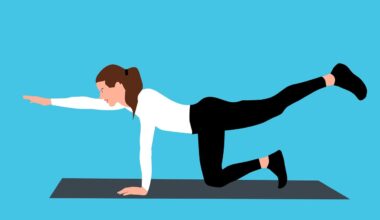
Rehabilitation professionals implement a variety of exercises aimed at improving posture. These exercises are designed to target the specific muscle groups responsible for maintaining proper alignment. Core-strengthening exercises are fundamental as a strong core provides stability for the spine. Activities such as planks and bridges help fortify this region, ensuring better support for the body. Additionally, upper back strengthening exercises are essential for counteracting the effects of slouching. Rows and pull-aparts can be integrated into a routine for this purpose. To address tightness in the chest and front shoulders, stretching routines are introduced. This balanced approach fosters optimal muscle function and promotes flexibility within the body. Balance exercises, such as single-leg stands, contribute to overall stability and coordination. As progress is made, rehabilitation professionals often adjust the intensity of these exercises to continually challenge individuals. Gradually increasing difficulty helps sustain motivation and reinforces the body’s capacity for improvement. Throughout this journey, consistency plays a critical role, as daily practice leads to long-term benefits. Clients are encouraged to dedicate time to incorporate these exercises regularly into their routines, maximizing postural outcomes.
The role of education in rehabilitation for postural imbalances cannot be understated. Knowing how posture affects overall health empowers individuals to make informed decisions. Rehabilitation professionals frequently provide ongoing education concerning body awareness and the impact of lifestyle choices. Workshops or one-on-one sessions may cover topics such as proper body mechanics and safe movement strategies. Additionally, customized resources, such as handouts or links to helpful online content, can enhance understanding. Informative discussions help clients recognize how stretching and strengthening exercises contribute to postural improvement. Moreover, engaging in community support groups may benefit individuals facing similar challenges. These groups foster accountability and provide additional encouragement in maintaining a healthy lifestyle. As clients become educated, their ability to advocate for their needs in various settings increases. This newfound knowledge can lead to better communication with employers about potential ergonomic adjustments in the workplace. In essence, education is a powerful tool that reinforces the efficacy of rehabilitation efforts. It equips individuals with the skills necessary to navigate their environments effectively, ultimately paving the way for improved health and quality of life.
Monitoring and Feedback in Rehabilitation
Ongoing monitoring and feedback are essential components of effective rehabilitation programs. Rehabilitation professionals utilize objective assessments to track progress over time and to make necessary adjustments. Regular evaluations enable practitioners to identify areas of improvement and to refine exercise routines accordingly. Acknowledging incremental progress motivates clients and gives them a clearer understanding of their achievements. Consistent feedback allows professionals to address concerns and to adapt interventions as needed. Tools such as postural assessment software can aid in providing visual feedback for clients. This immediate visual reinforcement can enhance the learning experience and promote better compliance with suggested exercises. Furthermore, encouraging self-assessment techniques contributes to the development of individual accountability. Clients are often taught to maintain a posture diary, which helps them become aware of their habits throughout their day. This journaling can pave the way for discussions during rehabilitation sessions. Recognizing patterns in the diary, practitioners can facilitate targeted interventions. This personal involvement further reinforces the rehabilitation process. Ultimately, comprehensive monitoring ensures that treatment remains relevant and effective, fostering a supportive environment for long-term postural health.
In conclusion, rehabilitation professionals play an invaluable role in addressing postural imbalances. Their interventions combine various techniques and educational initiatives tailored to individual needs. Emphasizing the importance of ergonomics encourages proactive approaches toward health. Exercises aimed at strengthening specific muscle groups and flexibility work synergistically to create better posture. Continuous feedback and monitoring ensure that clients remain engaged and motivated throughout their journey. The lasting benefits of successfully addressing postural issues extend beyond physical health, impacting emotional well-being as well. Empowered individuals become advocates for their health, making informed decisions about their environments. Education fosters awareness and accountability, which are crucial components of the rehabilitation process. Future advancements may include innovative technology that enhances postural training and monitoring. Overall, addressing postural imbalances requires a collaborative effort between professionals and clients, resulting in improved health outcomes. By focusing on holistic strategies, rehabilitation professionals help individuals reclaim their lives by transforming their posture and promoting lasting health.
Finally, the integration of mindfulness practices can enhance postural rehabilitation efforts. Techniques such as yoga and Pilates encourage awareness of body alignment, breathing, and mental focus. These practices help individuals foster a deeper connection with their bodies, making it easier to maintain posture in daily life. Furthermore, mindfulness can reduce stress, which often contributes to muscle tension and poor posture. Rehabilitation specialists often recommend these practices as complements to traditional exercise regimens, with the objective of creating a well-rounded program that addresses both physical and mental aspects of health. The incorporation of mindfulness helps individuals develop coping strategies for managing stress, ultimately making them more resilient participants in their rehabilitation journey. This holistic approach acknowledges the interplay between mental and physical well-being, ultimately leading to a more effective recovery process. By embracing mindfulness, individuals can transform their relationship with their bodies, gaining clarity and awareness that extends beyond therapy sessions. This is a vital component of long-term success in addressing postural imbalances, as it empowers individuals to take charge of their health and well-being.