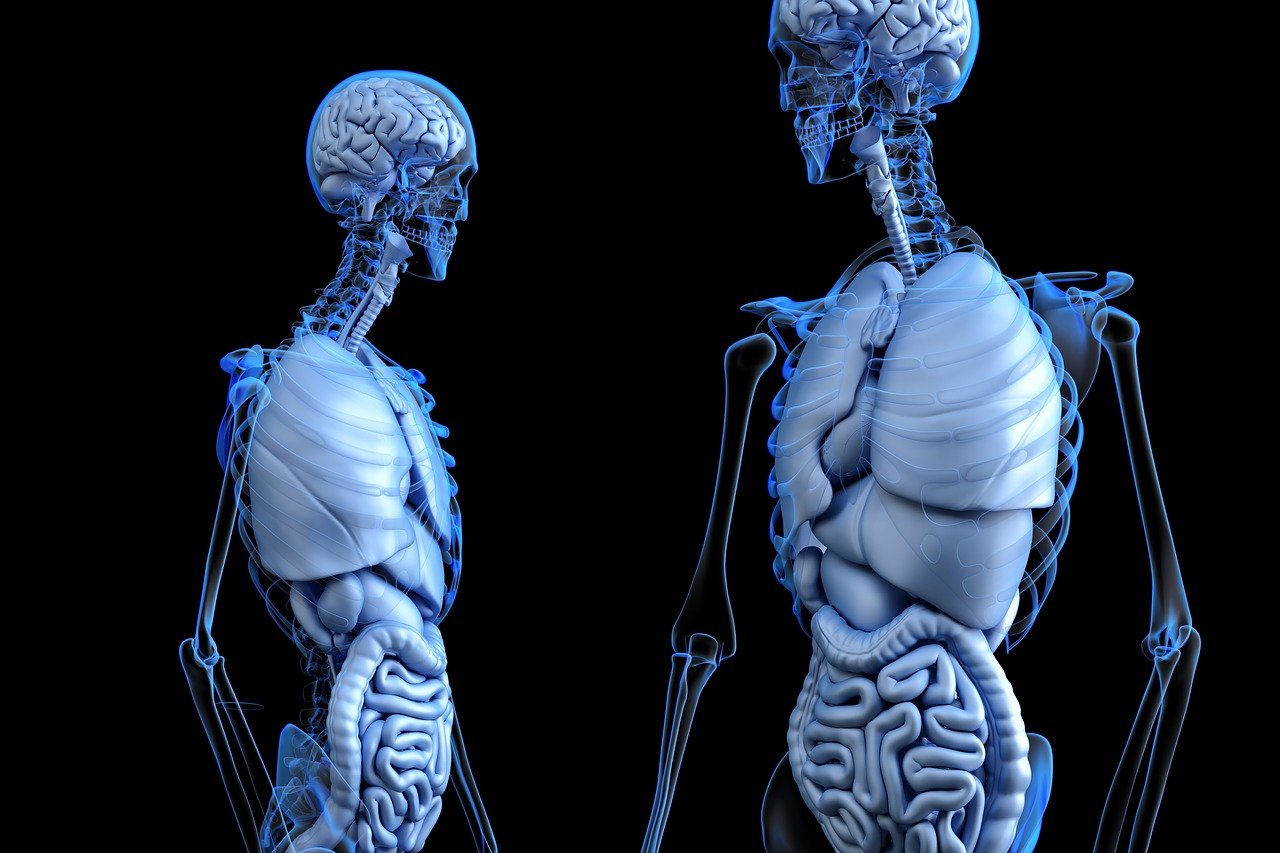

The Role of the Gut-Brain Axis in Mind-Body Wellness
The gut-brain axis is a term that describes the bidirectional communication between the gastrointestinal tract and the brain. This connection has significant implications for overall health, especially regarding mental and physical well-being. The complex interplay involves various pathways, including neural, hormonal, and immunological routes. Emerging research indicates that gut health influences mood and behavior by modulating neurotransmitter activity, thus affecting emotional states. Disruptions in gut microbiota, known as dysbiosis, have been linked to a range of psychological issues, including anxiety and depression. Understanding the gut-brain axis opens up new avenues for therapeutic strategies aimed at improving mental health through dietary and lifestyle changes. Key aspects of maintaining a healthy gut include a balanced diet rich in fiber, probiotics, and minimizing processed foods. Such measures can foster a diverse microbiome, which supports the production of neurotransmitters like serotonin. The importance of the gut-brain dialogue underscores the need to consider mental health through the lens of physical health and vice versa. This perspective lays the groundwork for integrative approaches that promote holistic wellness across the mind and body interface.
The gut-brain connection highlights the importance of microbiota for mental health. Gut bacteria are known to produce short-chain fatty acids and neurotransmitters that signal to the brain. These biochemical messengers influence mood, cognition, and even behavior. Interestingly, about 90% of serotonin, a key mood-regulating neurotransmitter, is produced in the gut. Thus, maintaining gut health can effectively contribute to emotional balance. Probiotic foods such as yogurt, kefir, and fermented vegetables introduce beneficial bacteria into the digestive system. Studies show that regular consumption can result in enhanced mood and reduced symptoms of depression. Additionally, a healthy gut contributes to reduced inflammation, which has been associated with depressive disorders. Effective management of diet and stress levels can bolster the microbiome, promoting both physical and mental wellness. This bidirectional communication means that interventions aimed at gut health could offer relief for mental health symptoms. It’s essential to consult healthcare providers for tailored advice on modifying diet and lifestyle. The relationship between the gut and brain is complex but undeniably impactful. Thus, a holistic approach can foster profound improvements in quality of life for many individuals.
Understanding the Mechanisms
Understanding the mechanisms behind the gut-brain axis requires examining various pathways involved. The vagus nerve, a crucial component of the parasympathetic nervous system, serves as a primary communication highway between the gut and the brain. The nerve transmits signals that can either excite or inhibit neural responses. Microorganisms in the gut can influence the vagal pathways, affecting brain function directly. Additionally, gut microbiota can produce metabolites that influence systemic inflammation, further impacting mental health. A healthy microbiome fosters a metabolic balance which plays a role in neurotransmitter regulation. Moreover, the gut microbiome interacts with the immune system, affecting the production of pro-inflammatory cytokines. Chronic inflammation is often linked to conditions like depression and anxiety. By reducing inflammation through healthy dietary choices, individuals may mitigate these mental health risks. This highlights the importance of lifestyle factors, such as diet and exercise, in maintaining a functional gut-brain axis. Researchers are now exploring pharmacological approaches that target this interaction, which could lead to groundbreaking treatments. Understanding these mechanisms can empower individuals to proactively manage both their gut and mental health.
Moreover, the concept of the gut-brain axis encourages the exploration of holistic treatment approaches. Instead of solely relying on medication, many experts advocate for incorporating dietary, behavioral, and lifestyle modifications. Mindfulness practices, including yoga and meditation, can positively impact gut health. These activities help reduce stress and promote a state of relaxation, fostering better communication between the gut and brain. Whole foods, particularly those high in omega-3 fatty acids, prebiotics, and fermented products, can nurture gut flora. These dietary components not only improve gut health but can also enhance mood and cognitive function. Furthermore, staying hydrated and getting adequate sleep plays a vital role in this connection. The gut-brain axis exemplifies the interconnectedness of mind and body, emphasizing the importance of a comprehensive view toward wellness. This underscores that poor gut health might contribute to emotional, cognitive, and psychological issues. A synergy between nutrition, physical activity, and psychological therapies may represent a transformative agenda for improving mental health outcomes. As awareness grows about this connection, more individuals may seek integrative treatment options for improved quality of life.
Research Insights
Research insights into the gut-brain axis continue to illuminate its critical role in health. Recent studies indicate that certain probiotics may improve symptoms of depression and anxiety. These beneficial bacteria modulate gut signaling pathways, leading to enhanced neurotransmitter release and improved mood. For instance, a study highlighted the effects of Lactobacillus and Bifidobacterium strains in ameliorating anxiety symptoms. Additionally, individuals undergoing stressful situations exhibited altered gut microbial composition, further linking stress responses to gut health. Notably, dietary fiber intake has been associated with a more diverse microbiome, which is crucial for mental health. Regular consumption of whole grains, legumes, and vegetables fosters this diversity and can help mitigate depressive symptoms. The emerging field of psychobiotics focuses on the psychological effects of probiotics, paving the way for innovative treatment options. Natural dietary sources may provide a safer alternative to standard psychiatric medications. Integration of mental and physical health has profound implications for healthcare systems. Collective efforts in research, healthcare policy, and public education may help maximize the benefits of the gut-brain axis for mental wellness.
Furthermore, exploring the gut-brain axis points to lifestyle factors that accumulate over time. Chronic stress often disrupts the delicate balance of gut microbiota, contributing to a negative feedback loop of unhappiness. Recognizing personal triggers—be it through food, stress, or lifestyle habits—can empower individuals to take charge of their health. Keeping a food diary may help pinpoint which foods positively or negatively impact mood and energy levels. Support systems, including therapy and community resources, can also play a valuable role in this journey. Analyzing how personal emotions align with gut health may enable individuals to make informed lifestyle changes. Creating environments that foster emotional resilience and robust gut health can shape mental wellness. Initiatives promoting physical activity, consuming nutritious foods, and prioritizing mental well-being may help communities thrive. Engaging in pleasurable activities can also foster a healthier mindset. By taking a proactive approach to mental health through nurturing the gut-brain connection, individuals can enhance overall well-being. Achieving a more harmonious balance between mental and physical health is possible and beneficial for countless lives.
Conclusion
In conclusion, the gut-brain axis serves as a pivotal link in understanding the intricate relationship between physical and mental health. This connection emphasizes a holistic view of wellness that encompasses dietary choices, lifestyle habits, and emotional responses. The importance of maintaining gut health is underscored by its impact on neurotransmitter production and overall mood regulation. By recognizing how lifestyle factors affect this relationship, individuals can develop more proactive approaches to mental health. Strategies such as implementing dietary changes, incorporating mindfulness practices, and fostering supportive relationships can yield significant benefits. Moreover, ongoing research into the gut-brain axis reveals new opportunities for developing targeted therapies that address the root causes of mental health issues. The potential for natural interventions makes this field particularly promising for future exploration. Cultivating awareness and education around the gut-brain connection may empower individuals to make informed decisions. As we continue to unravel the complexities involved, the synergy between the gut and brain will likely lead to meaningful innovations in mental health management. Ultimately, embracing this interconnectedness heralds a future of enhanced wellness for individuals of all ages.
The gut-brain axis represents a compelling area of investigation as we recognize the need to integrate mind and body practices in our daily lives. The connection serves as a timely reminder to prioritize mental wellness through actionable strategies rooted in nutrition and self-care. Seeking out a balanced approach can enhance psychological well-being while supporting overall health. With careful attention to diet, exercise, and emotional resilience, we can create communities that promote better mental and physical harmony. This holistic mindset encourages individuals to take charge of their health proactively. Exploring the gut-brain axis opens avenues for innovative research and collaborative healthcare initiatives that address mental health challenges. As more people become aware of this connection, we can foster a culture of total wellness that considers body and mind. In future discussions on health, the gut-brain connection is likely to play an increasingly pivotal role. Enhancing awareness of this connection may empower individuals to embrace healthier lifestyles and communities. Understanding how gut health influences mental health is critical for improving outcomes. Continuing to explore and integrate the gut-brain axis outlines a promising perspective on optimal health.