
The Use of VR for Real-Time Biomechanical Feedback
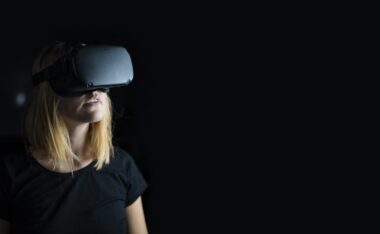
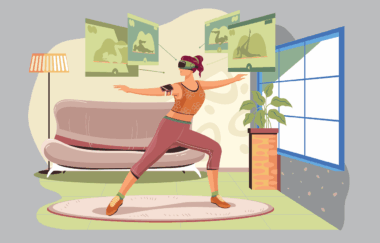
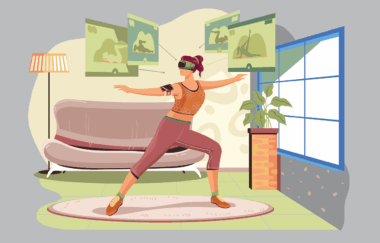
Virtual reality (VR) technology is drastically transforming how we approach exercise and facilitate sports training. By immersing users in a digital environment, VR can provide real-time biomechanical feedback that enhances performance. This feedback is essential for athletes who strive for precision in their movements. With the aid of motion capture and analysis, coaches can utilize VR to help athletes comprehend their biomechanics better. The combination of VR technology and biomechanics allows for a more engaging experience during training sessions, leading to improved muscular efficiency. By simulating different scenarios, athletes can learn by doing, which can prove to be significantly more effective than traditional methods. Users can practice without the same risks associated with real-world training. They can repeat movements under controlled conditions while receiving instant analysis of their technique. This feedback mechanism offers many benefits, including reduced risk of injury and enhanced athletic performance. Moreover, it empowers athletes to make real-time adjustments during their training, resulting in a more effective learning process. Continuous advancements in this technology are expected to revolutionize athletic training and overall physical education practices.
VR’s capabilities stretch beyond mere technical feedback. It aids in the development of fundamental skills through engaging simulations. For instance, VR can replicate challenging environments that allow athletes to practice skills they may encounter in competitions. This technology can effectively eliminate constraints faced during physical practice periods. There is also an emphasis on motivation and user engagement using gamification strategies. By transforming rigorous training sessions into enjoyable experiences, athletes may be more inclined to invest time in their preparatory methods. Enhanced engagement leads to better retention of skills, promoting automatic responses during actual events. Using VR, athletes can be placed in high-pressure situations where their performance can also be analyzed. They can understand how stress affects their biomechanics, helping them to adjust accordingly. This understanding is particularly important for sports that require precision under duress. Real-time feedback becomes a teaching tool, offering insights into motion efficiency and biomechanics specific to the sport. These assessments can have significant implications for long-term athletic development and injury prevention. Athletes can cultivate mental resilience while honing their skills across various conditions virtually. This rise in VR utilization is gradually reshaping sports training.
The Role of Data in Enhancing Performance
Through the use of VR, athletes can gather and analyze a myriad of data generated during training sessions. Metrics such as joint angles, ground reaction forces, and center of mass can be assessed and adjusted. The information collected through VR immersions is invaluable for coaches and trainers focused on improving performance. Detailed analysis helps identify areas where improvements can be made. With biomechanical data available instantly, it enables rapid feedback for decision-making. Such immediate insight enhances the training process, enabling athletes to incorporate informed strategies into their routines. The data can also be utilized to create tailored training programs that address individual needs. By focusing on specific biomechanics, trainers can help athletes refine their skills more effectively. Furthermore, collaboration between technology developers and biomechanics researchers is thriving. Ongoing research aims to refine VR technology further, advancing usability in sports, rehabilitation, and performance training. Taking advantage of collective expertise leads to groundbreaking developments. Data-driven approaches ensure that athletes receive the best possible feedback. This evolution in training techniques marks a significant shift from traditional methods to data-rich environments. Athletes will increasingly rely on this data in optimizing their techniques and strategies.
The integration of VR technology into biomechanics not only enhances skills but also motivates users, making training enjoyable rather than tedious. This increased enjoyment is crucial for maintaining long-term athletic commitment. It allows novices and veterans alike to engage regularly with their training routines without burnout. Gamification fosters a sense of achievement for completing training goals. Offering rewards for progress ensures that motivation remains high throughout the sessions. In addition to improving physical capabilities, VR allows athletes to strengthen their mental game. Athletes often face psychological barriers that impact their performance. VR environments can be designed to simulate stress-inducing conditions, helping users develop coping strategies. Working through mental challenges in a safe space translates into improved performance during actual competitions. Practicing under simulated pressure allows athletes to experience emotional highs and lows without the high stakes associated with traditional training. This cognitive aspect is commonly overlooked but is integral to athlete development. Mental conditioning achieved through VR can promote confidence and resilience, equipping athletes with the tools needed to thrive. As this innovative technology continues to advance, its implications on mental conditioning within sports will undoubtedly emerge as a key focus area.
Future Prospects of VR in Biomechanics
The future of VR applications in biomechanics has significant potential to transform athletic training and rehabilitation. In addition to improving performance, VR can play a substantial role in injury rehabilitation. Combining therapeutic practices with VR technology creates immersive rehabilitation environments. Injured athletes can re-engage their muscles without jeopardizing their recovery. By simulating environments, trainers assist athletes in gradually regaining pre-injury abilities. It offers engaging experiences that can motivate recovery when conventional methods may falter. Observations show that virtual therapist presence significantly enhances user adherence to rehabilitation exercises. The interactive nature of VR can help create effective post-injury rehabilitation plans tailored to individual recovery timelines. One of the most promising aspects is the ability to continually adapt the difficulty level to suit an athlete’s capabilities. Personalized rehabilitation environments can help rebuild neuromuscular connections critical for full recovery. As VR becomes more integrated into various fields, substantial investments and research in biomechanics will be crucial. Fostering innovation will enable sports scientists, developers, and clinicians to build on existing technologies. Establishing partnerships across disciplines ensures continued progress. The results of these collaborations will create unmatched training experiences for athletes.
While VR technology clearly shows ample promise, challenges remain in its widespread adoption. It is essential to address several factors, such as cost-effectiveness and accessibility for institutions and recreational athletes. The initial investment for setting up VR training rooms and technology can be significant. Achieving cost-effective solutions while maintaining high-quality training interfaces is crucial for expanding VR usage. Ongoing research must seek to develop affordable, easy-to-access VR systems that empower every athlete, regardless of resources. Educational institutions and community centers can benefit immensely from advocating VR programs specifically aimed at athletes. Training ground-level talent is essential for sports evolution, ensuring comprehensive development across various age groups. Investment opportunities in VR development will continue to grow, especially in regions where sports science is pursued rigorously. Establishing VR training programs in schools could help shape future athletes. Creating awareness about the benefits of using VR in biomechanics can also support broader acceptance. As more coaches and trainers utilize these methods, data will further confirm their effectiveness. This exploration and acceptance mark steps toward an innovative and robust future in sports training.
Conclusion
The application of virtual reality in biomechanics and exercise training is a pathway to revolutionize how athletes train, learn, and recover. Its growing implementation signifies an enriching chapter in sports science that brings along numerous advantages. VR environments empower athletes to engage with their training actively while receiving valuable feedback aimed at enhancing performance. In addition to improving physical capabilities, it brings critical psychological benefits, helping athletes develop resilience and discipline. Meaningfully integrating technology into traditional training can ensure it remains relevant and engaging, leading to improved outcomes for athletes. Adapting to an ever-evolving landscape requires a willingness for continual investment in these novel methods. By embracing VR and its principles, the future generations of athletes will enjoy enhanced training sessions, and a greater understanding of their biomechanics. As technology evolves, the significance of VR in providing a richer world of training experience is certain to increase, making it an inextricable component of sports science and exercise. Collaboration between researchers, developers, and practitioners will usher in advancements that further refine how athletes experience their journeys, ultimately enhancing the entire field of sports.
In conclusion, the utilization of VR technology for real-time biomechanical feedback during exercise is set to catalyze evolution in athletic training and rehabilitation practices. By merging advanced technology with empirical knowledge of human movement, stakeholders can ensure that athletes maximize their capabilities while minimizing injury risk. The advent of immersive training environments—responsively designed to cater to individual training regimens—is unlocking new potential for effective practices across sports. Athletes are likely to see augmented results through enhanced focus, motivation, and enjoyment during their practice sessions. Moreover, the continued research and development in this area will assure ongoing refinement of the VR systems involved, further solidifying their place in the landscape of biomedicine and sports science. By approaching athletic performance through a multi-faceted lens that acknowledges biomechanics, psychology, and technology, a holistic training experience is anticipated. The integration of VR systems into real-time feedback loops is indispensable for fostering top-tier performance psychology. Upon full integration, VR has the potential to pioneer a new age in the understanding and analysis of human performance with lasting implications for athletes. Therefore, embracing this technology stands to redefine conventional paradigms in the world of sports.