
Essential Equipment for Effective Workouts
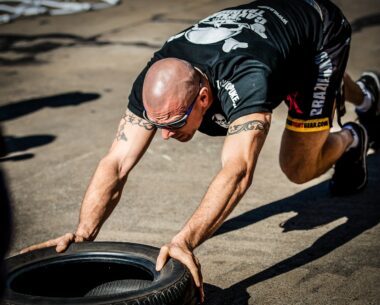
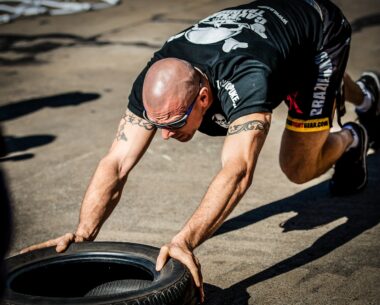
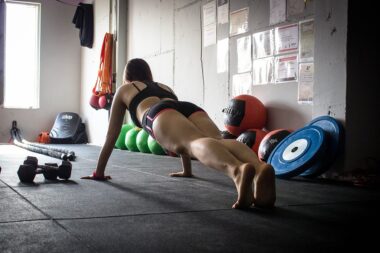
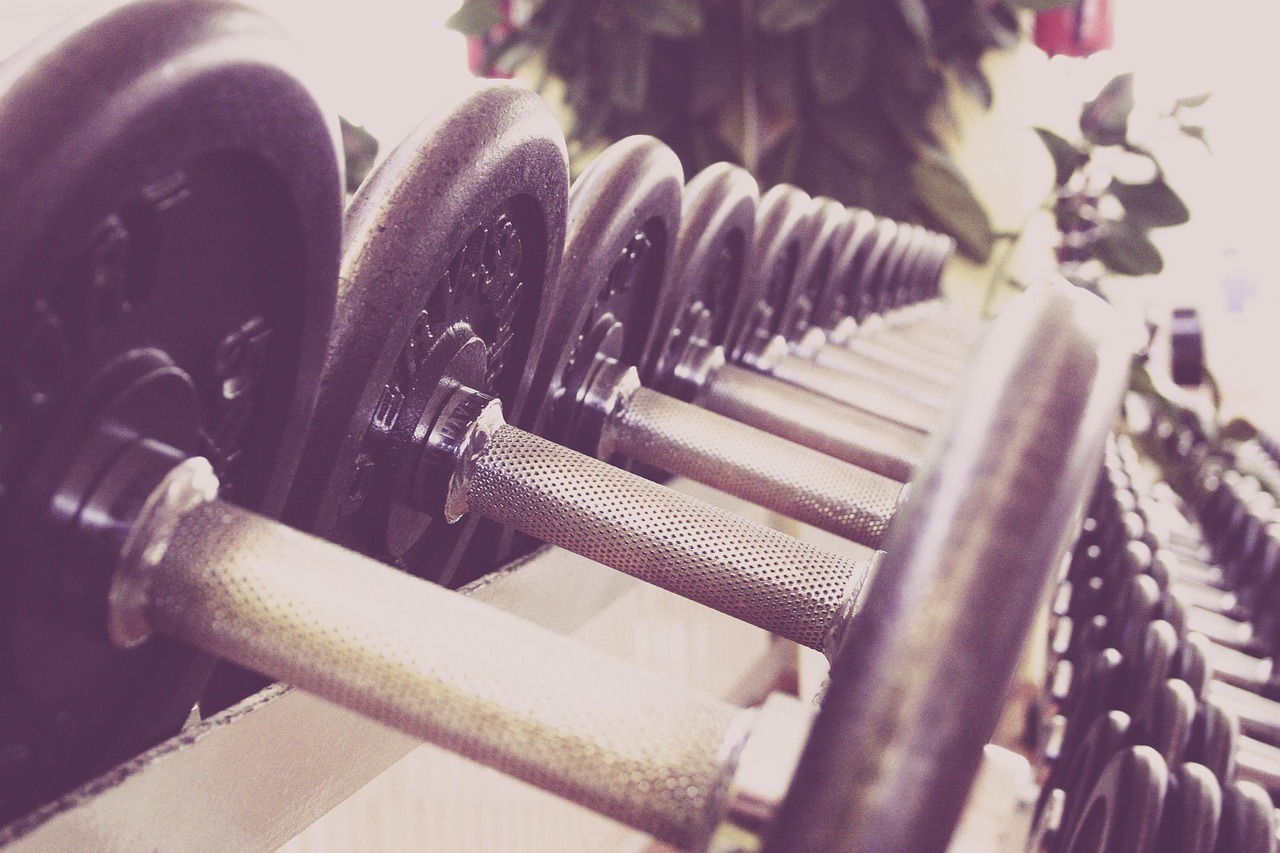
If you’re just starting with functional training, it’s crucial to understand the essential equipment needed for effective workouts. Unlike traditional weightlifting, functional training emphasizes movements that mirror real-life activities, helping improve overall strength and coordination. The key to success in this training style is to invest in versatile equipment that can be used for various exercises. One of the essentials is a good pair of workout shoes. Look for shoes that provide adequate grip and support, tailored for multi-directional movement. Additionally, resistance bands are a fantastic addition for beginners, offering a way to build strength without using heavy weights. They come in different resistance levels, allowing you to progress gradually. Moreover, stability balls can enhance core strength and improve balance, essential for functional movements. Lastly, consider investing in a kettlebell or a set of dumbbells, which are incredibly versatile and beneficial for more advanced workouts. These tools can help perform a variety of exercises, targeting multiple muscle groups while promoting functional movements.
Proper technique is another essential aspect of functional training, especially when using equipment. Before diving into your workouts, take the time to learn the correct form to avoid injuries. Resources like instructional videos and professional trainers can offer guidance and support during your initial phase. Committing to learning proper techniques will not only enhance your results but also build a solid foundation for your ongoing training journey. Most importantly, consistency is key in functional fitness. Establish a workout routine that incorporates a range of exercises and equipment, ensuring balanced muscle development. You may also want to incorporate bodyweight exercises, such as squats and lunges, as they require no equipment and are perfect for beginners. Engaging in a variety of exercises targeting different muscle groups fosters an improved overall fitness level, ultimately leading to success in your functional training journey. Remember, progression is crucial; aim to challenge yourself as your strength improves, gradually adding weight resistance or intensifying your workouts to continue reaping the benefits from your routine.
Benefits of Incorporating Equipment
The inclusion of proper equipment in your functional training routine brings a wide array of benefits ranging from strength enhancement to functional improvements in daily life. First and foremost, resistance bands and weights increase muscular endurance, enabling you to perform daily tasks more efficiently. By strengthening specific muscle groups, your body becomes more coordinated and agile, thereby improving your performance in everyday activities. Engaging with diverse equipment can also help break workout monotony, keeping you mentally stimulated and physically challenged. Moreover, exercises using stability balls or balance boards improve core strength, which is foundational for almost any activity. Whether you’re lifting groceries or playing sports, a strong core supports injury prevention and enhances performance. If you’re consistent, these improvements can translate into increased energy in daily life and enhanced athletic ability. Likewise, increased muscle engagement from weighted exercises speeds up your metabolism, aiding in weight management. Functional training with the right equipment provides a holistic approach, preparing you for life’s physical challenges while wielding the added benefits of improved strength, coordination, and overall fitness.
Nutrition plays an equally significant role in your functional training journey. To maximize the effectiveness of your workouts, you must fuel your body with the proper nutrients. Consuming a balanced diet rich in proteins, carbohydrates, and healthy fats is essential for muscle recovery and growth. Proteins help repair your muscles post-workout, while carbohydrates provide a quick energy source to enhance your performance. Moreover, staying hydrated is equally vital during your workouts. Drinking sufficient water helps maintain optimal physical performance and keeps you energized throughout your training sessions. As you progress in functional training, consider tracking your food intake to ensure you meet your nutritional needs. This practice can also reveal patterns, helping you make adjustments if necessary. Supplements may also be considered if nutrition alone does not meet your requirements. However, consult a healthcare professional before introducing any supplements into your routine. This consideration is essential because not all supplements are suitable for everyone, and a professional can provide personalized advice based on your unique health profile.
Tips for a Successful Training Regimen
To ensure success in your functional training, here are some essential tips to keep in mind. First, set realistic goals that align with your fitness level and lifestyle. Achievable goals create a sense of purpose, motivating you to stay on track. Additionally, try to find a workout buddy, as exercising with someone else can boost motivation and accountability. They can provide encouragement and push you to perform better during workouts. Moreover, schedule your training sessions just like appointments. Setting time aside specifically for workouts can help cement them into your routine. It’s also critical that you listen to your body during workouts. If you experience pain or discomfort, take breaks or modify your exercises to accommodate your needs. Incorporating rest days into your weekly regimen is just as crucial as active days. Recovery is vital to prevent injuries and allow muscles to repair and grow stronger. Furthermore, continually update your routine by introducing new exercises and equipment, ensuring progress and maintaining engagement throughout your functional training journey.
Participating in functional training can be an exhilarating experience, especially when you start to see tangible results. When you initially embark on this journey, focus on creating a positive mindset about your strength and fitness. Celebrate small victories along the way as they reinforce your effort and commitment to a healthier lifestyle. Joining online communities or local groups can connect you with like-minded individuals, offering support, sharing experiences, and even new workout tips. Furthermore, embedding elements of fun into your sessions, such as music, can significantly enhance enjoyment and motivation levels. Always remind yourself of your long-term picture. Functional training is not just about immediate gratification; it’s about building a stronger foundation that will serve you well over time. Patience plays a significant role; results may take time, but persistence will pay off. Lastly, reflect on your journey regularly. Identifying what worked or didn’t can illuminate the best path forward, helping you optimize your training strategies. Remember that the goal is to improve overall quality of life through movement, so enjoy every step of your functional training adventure!
Integrating Functional Training into Daily Life
A key aspect of functional training is the ability to seamlessly integrate it into your daily life. This accessibility means that you can fit workouts into various aspects of your routine without feeling overwhelmed. For instance, you might utilize a few minutes during your lunch break for quick exercises using resistance bands or perform bodyweight workouts at home. Even engaging in simple stretches or mobility work while watching television can contribute significantly to your progress. Moreover, consider using functional training principles in common activities throughout your day. When climbing stairs, focus on using proper form; when lifting groceries, engage your core to ensure safe lifting techniques. This approach helps reinforce the principles learned during workouts, enhances overall strength, and fosters a mindful attitude towards your movement. Ultimately, functional training isn’t just confined to the gym; it’s about embracing an active lifestyle that incorporates these exercises into everyday tasks and routines. The more you practice these functional movements in daily life, the more proficient you will become, translating into better performance in both fitness and daily activities.
Working out with others can foster a friendly competition and community spirit which enhances motivation. Keep in mind that progress is subjective; work towards your own milestones rather than comparing yourself to others. Every step you take builds your resilience, whether it’s increasing your weight load or adding another exercise to your routine. Finally, have fun with your workouts. Finding enjoyment in the process can transform your perspective on fitness, transforming it from a chore into a rewarding experience. By embracing these principles and focusing on your own journey, you will cultivate a successful and sustainable functional training practice. Incorporate fun, enjoyment, and social aspects into your training for maximum benefit and motivation. Remember to keep challenging yourself, listen to your body, and adjust as needed while enjoying this fitness journey.